A summit built around finance and adaptation is also a stage on which a downstream state can argue that the rules governing shared rivers are part of the climate question, not separate from it.
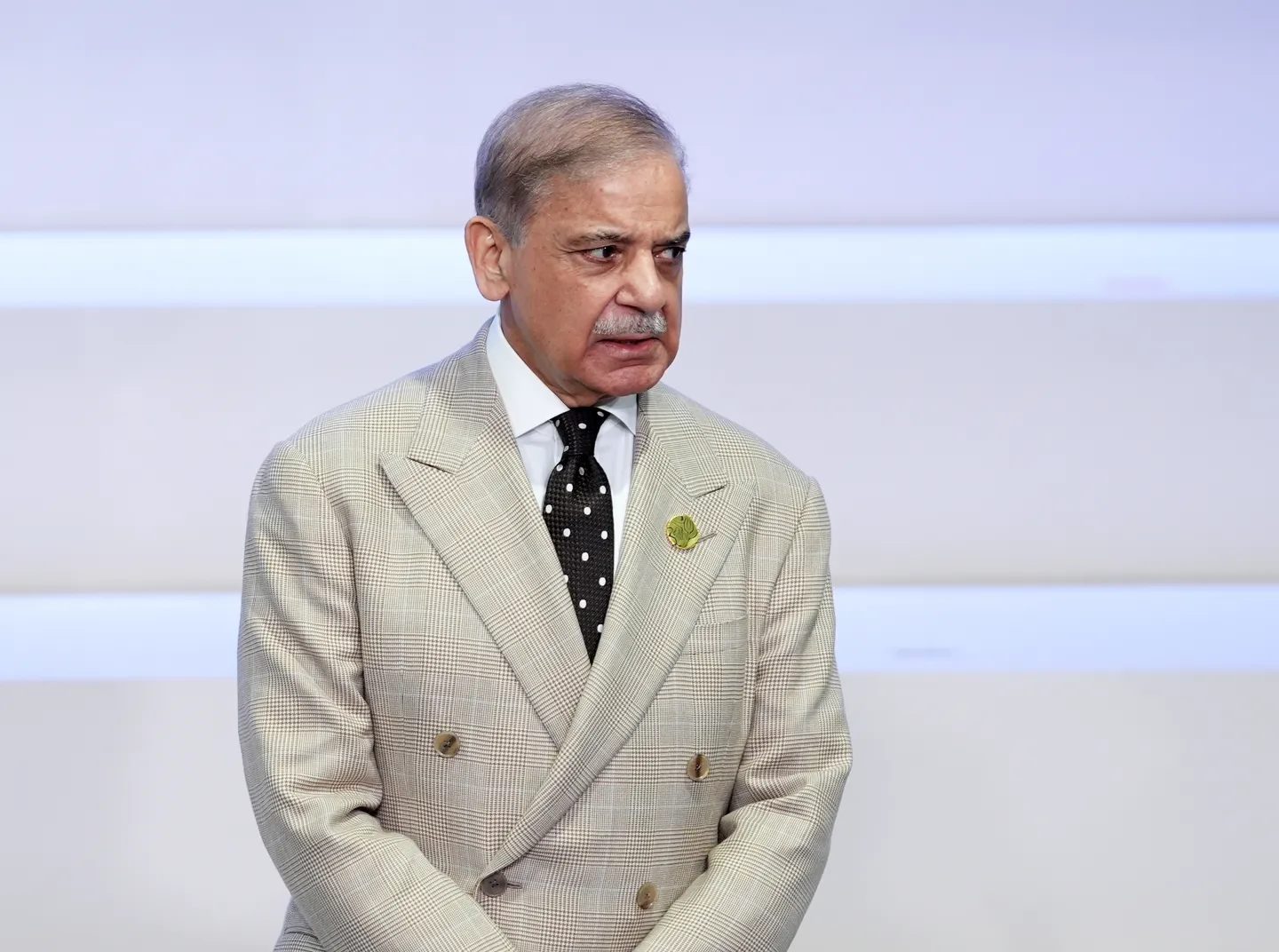
Pakistan's Prime Minister Shehbaz Sharif used his address to the COP31 summit in Antalya on Thursday to press two linked arguments: that vulnerable countries need climate finance delivered as grants rather than loans, and that water must not be used as an instrument of pressure between states. According to TRT World's report, Sharif told delegates that national effort cannot substitute for a fair global response when climate disaster strikes, and that vulnerable countries need timely help and finance that does not deepen their debt.
The financing argument is familiar from previous climate conferences, but its framing here is pointed. Sharif called for grant-based financing, including public-private partnerships, and for more money for resilience and adaptation, describing these as essential for struggling economies. The distinction between grants and loans matters to countries that are already carrying heavy debt burdens; additional borrowing to rebuild after a flood adds to the liability side of the ledger rather than relieving it.
His remarks on water carry a more immediate diplomatic charge. Sharif said water must never be weaponised and that no country should be allowed to put the lives and livelihoods of downstream communities at risk, adding that water-sharing agreements must be honoured. The report notes that India suspended the Indus Waters Treaty and stopped sharing water data with Pakistan last year, following an attack in India-administered Kashmir that killed 26 people. Sharif did not, in the quoted passages, name India directly, but the context is unmistakable.
The climate case Sharif made rests on Pakistan's recent experience of extreme flooding. He recalled that flash floods in 2022 submerged one-third of the country and affected 33 million people, and said he had warned at the United Nations four years ago that what happens in Pakistan will not stay in Pakistan. That warning, he said, had become a stark reality, and he argued that climate change knows no borders and no nation can face it alone. He also thanked Türkiye for its support during the floods.
On energy, Sharif said green sources now account for nearly 55 percent of Pakistan's energy mix, citing investment in nuclear and solar capacity and progress on electric mobility, and said the country aims to cut projected emissions by around 50 percent by 2035. The report does not specify the baseline year for that target, how the figure is calculated, or how the government intends to finance the transition alongside its adaptation needs. Nor does it indicate whether India responded to Sharif's water remarks, or whether the Indus dispute was discussed on the summit's margins.
What the speech does show is how climate diplomacy and transboundary water politics are becoming entangled for Pakistan. A summit built around finance and adaptation is also a stage on which a downstream state can argue that the rules governing shared rivers are part of the climate question, not separate from it. Whether that argument shifts either the finance negotiations or the Indus standoff is not yet known.