For an informed reader, the significance lies less in any single name than in the exposure: a company of this scale, with more than 40,000 employees and no declared succession plan, is being asked questions it has not yet answered in public.
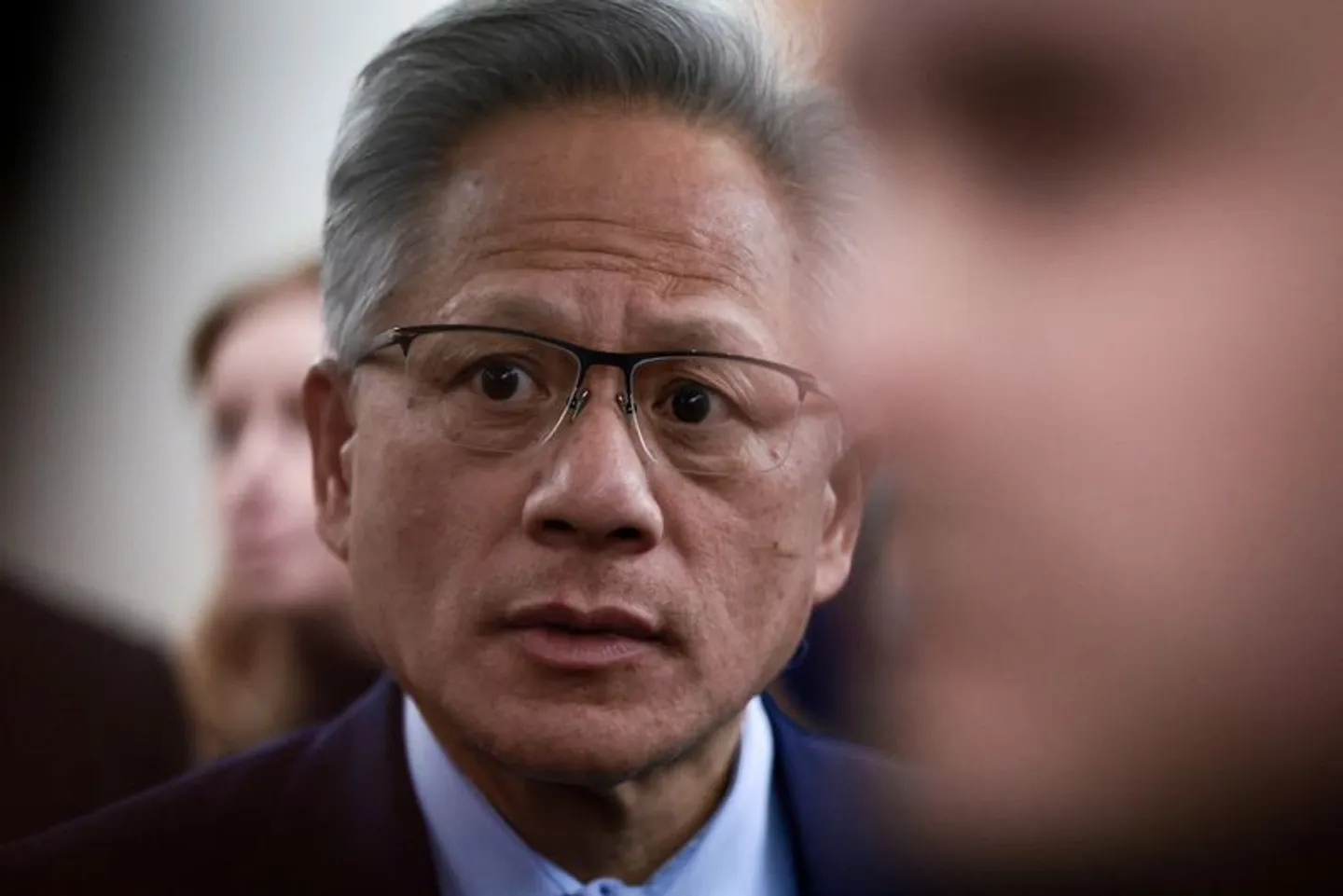
Nvidia's board was reportedly meeting on Wednesday to discuss the future of co-founder and chief executive Jensen Huang, according to US media cited by TRT World. The reports follow allegations about his personal conduct, including a reported relationship with a woman accused by US intelligence of working for China's Ministry of State Security. The company has not confirmed the purpose or outcome of any board discussion, and the account rests on unnamed US media reporting rather than any official statement.
What is clear from the material is the absence of a known succession plan. Huang, 63, has led Nvidia since co-founding it in 1993, and the report notes that no named heir has been designated. That is the detail that matters most to markets and to the wider technology supply chain. Nvidia sits at the centre of the artificial intelligence build-out, and the question of who runs it is not a purely corporate matter.
The names in circulation, according to the report, fall into three groups. Internally, technology publications have frequently mentioned chief financial officer Colette Kress, while longtime executive Ian Buck oversees data centre clients and played a key role in developing software that sustains demand for the company's chips. Business magazine Inc. has listed Bryan Catanzaro, vice president of applied deep learning research, as a possible candidate.
A family route is also discussed. Huang's daughter, Madison Huang, is a senior director of product marketing and previously spent several years in marketing at luxury conglomerate LVMH. His son, Spencer Huang, is director of product management in the robotics division. His cousin Lisa Su, who leads AMD, is described as his first cousin once removed and brings experience as the long-serving head of a major chipmaker.
Beyond the company, the report names Rene Haas, chief executive of UK-based chip designer Arm, and former Apple chief executive Tim Cook, who stepped down in August after 15 years in the role. The inclusion of outside figures reflects how central Nvidia has become to the industry rather than any indication that such moves are under discussion.
Much remains unconfirmed. The board meeting is reported, not announced. The allegations against Huang are reported, not established. None of the named individuals has been identified as a candidate by the company, and the report itself frames them as names being discussed rather than a shortlist. For an informed reader, the significance lies less in any single name than in the exposure: a company of this scale, with more than 40,000 employees and no declared succession plan, is being asked questions it has not yet answered in public.