A serious counter-intelligence finding involving its chief executive would touch both the commercial position of a pivotal supplier and the wider American effort to keep advanced computing out of Beijing's reach.
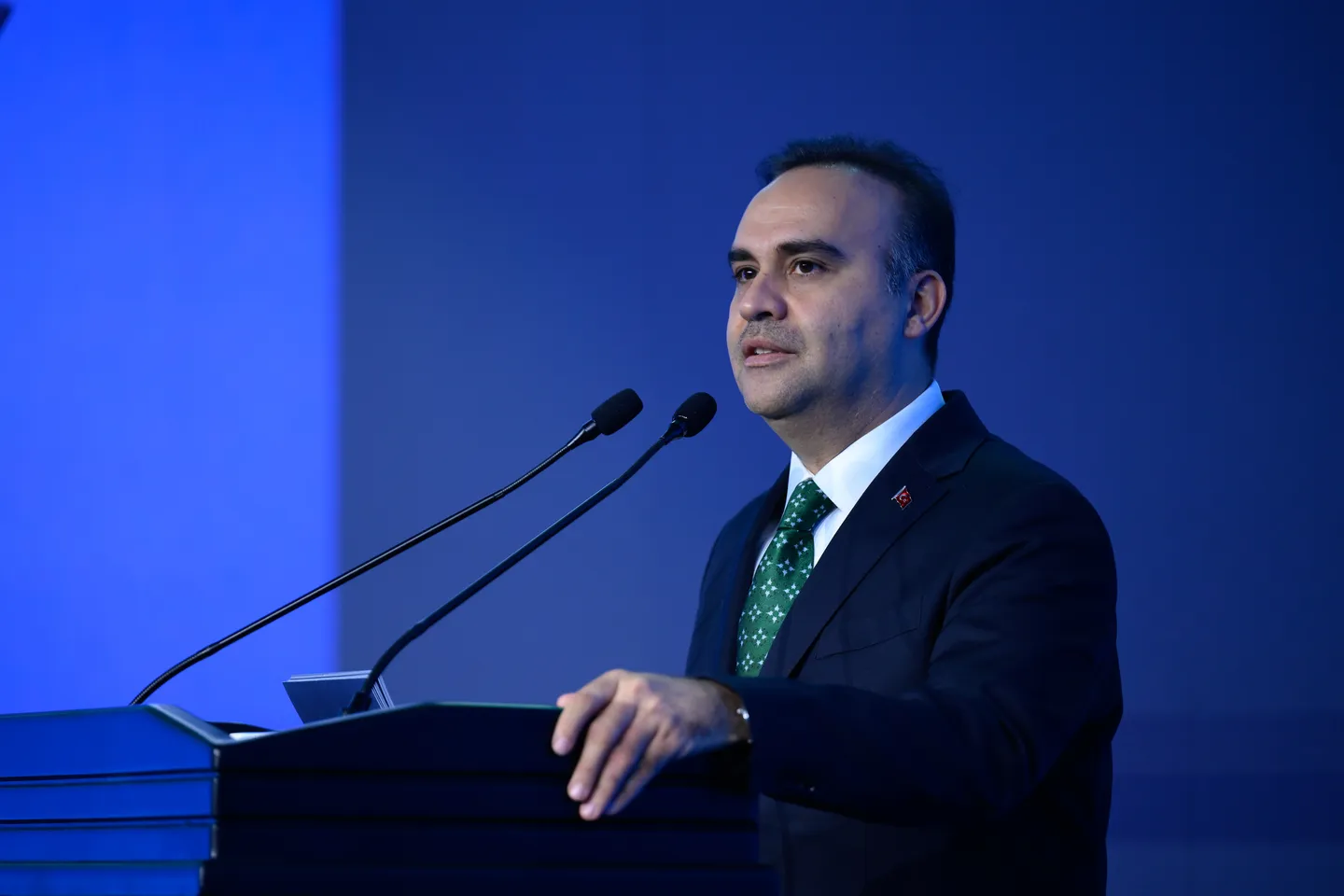
Nvidia's board of directors said on Sunday that the company is opening an investigation into reports that chief executive Jensen Huang was the "target of a foreign intelligence effort," according to France 24. The announcement followed a New York Times report that Huang had acknowledged to the board an intimate relationship with a business executive whom US intelligence had determined was gathering information for Beijing.
According to the Times, Huang apologised to the company in a message, saying he had been unfaithful to his wife and that his actions had hurt her and their children. The board said it had "no reason to believe" that national security or Nvidia secrets were compromised, but that its inquiry would examine all available information. Huang, 63, will remain chief executive during the review and, the board said, fully supports it and has committed to cooperating.
The Times reported last month that US intelligence agencies had found that Huang developed a close relationship with Alice Huang, a Chinese citizen and chip buyer, and concluded that she was feeding information directly to Beijing. The two are not related. Alice Huang was previously a television reporter in China before becoming a top executive at Megaspeed, a Singapore-based data centre company that has become one of Nvidia's biggest customers in Southeast Asia, buying more than $4.8 billion worth of Nvidia chips over the past two years, according to the Times.
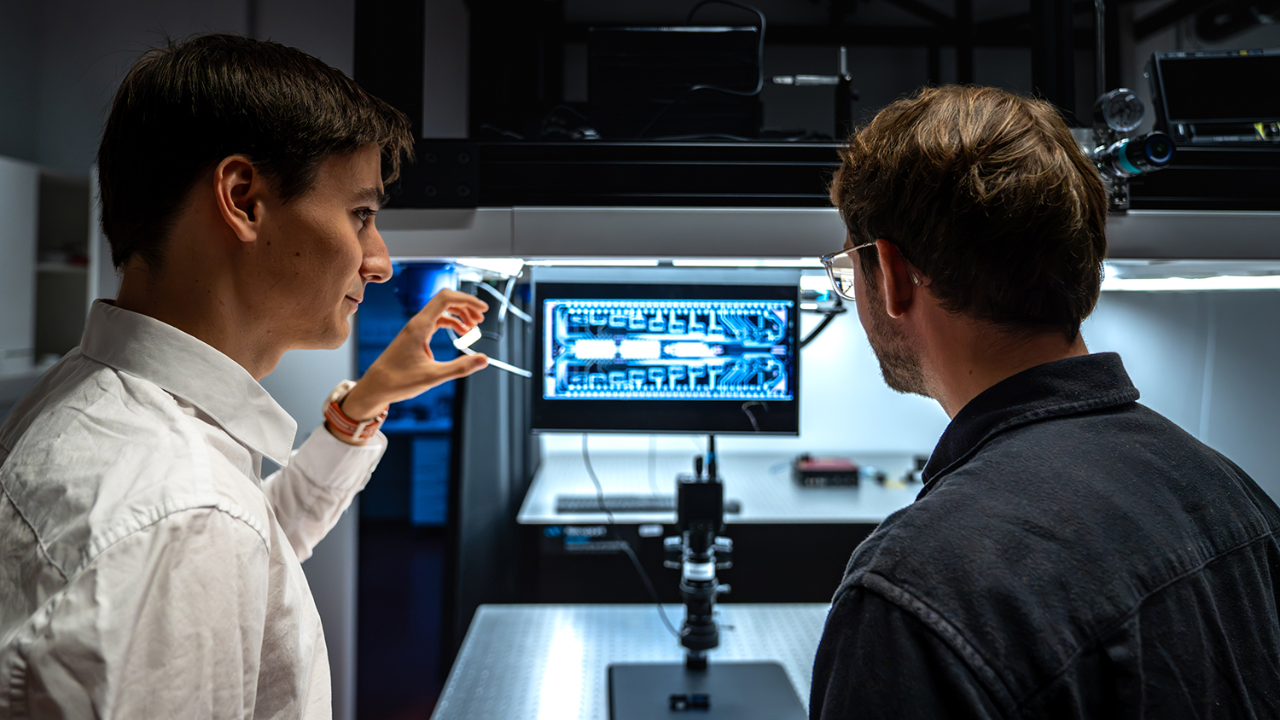
The stakes extend well beyond a single company. Nvidia, the world's most valuable company, sits at the centre of the global race to build artificial intelligence; its processors power many of the data centres used to train and run AI models, and its advanced chips have been a focus of US export restrictions intended to limit China's access to cutting-edge semiconductor technology. It reported quarterly profits of $59.69 billion in August. A serious counter-intelligence finding involving its chief executive would touch both the commercial position of a pivotal supplier and the wider American effort to keep advanced computing out of Beijing's reach.
Political reaction has so far been cautious. President Donald Trump, speaking to reporters on 31 October, said he had "always found Jensen Huang to be very aboveboard" and that the administration would look into the matter "very closely"; Huang serves on the president's Council of Advisors on Science and Technology. Secretary of State Marco Rubio, departing for a G7 meeting in Paris, declined to comment, citing the nature of the matter and the internal corporate review.
Much remains unconfirmed. The board's inquiry has not reported findings, no charges or formal allegations against Alice Huang have been disclosed in the reporting, and the nature and extent of any information said to have passed to Beijing is not established. Nvidia's statement that it sees no reason to believe secrets were compromised is the company's own assessment, not a conclusion of the review. Whether the affair becomes a corporate governance matter, a counter-intelligence case, or both will depend on what the inquiry establishes.