For a chipmaker whose fortunes are bound up with export controls and the contest over advanced semiconductors, an espionage angle is not a private matter.
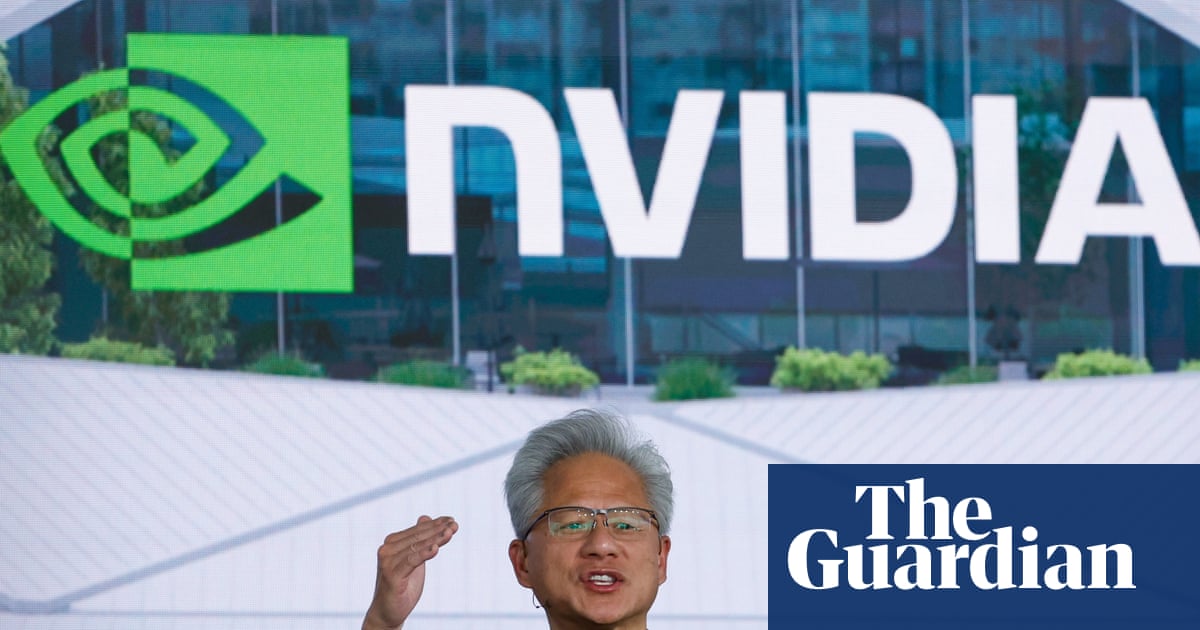
Nvidia has appointed the New York law firm Wachtell, Lipton, Rosen & Katz to conduct what the company calls a "thorough and independent" investigation into the relationship between its chief executive, Jensen Huang, and a woman described as an alleged Chinese spy, according to The Guardian. The investigation will be led by Joon Kim, a Wachtell partner and former government prosecutor in New York whom the firm's website describes as a specialist in internal investigations, white-collar and regulatory defence, and crisis management.
The company has not given a timeframe for the inquiry, but says Huang will continue to lead the business he co-founded "without interruption". The scandal centres on reports that Huang had been having an affair with Alice Huang, an Nvidia customer and Chinese citizen who is no relation to him. Nvidia initially denied any improper relationship, but Huang admitted on Sunday that he had been unfaithful to his wife, without referring directly to Ms Huang. The same day, the company announced an investigation into reports that he "has been the target of a foreign intelligence effort".
The market response has been severe. The affair has wiped $430bn off Nvidia's value, as shareholders weigh the potential impact on a company and an executive who have become synonymous with the artificial intelligence boom. The choice of Wachtell signals that the board intends to be seen to handle the matter at the highest level. The firm is among the most prestigious in the United States; its founding partner, Martin Lipton, devised the "poison pill" takeover defence in the 1980s, and its lawyers advised the US Treasury on the takeover of Fannie Mae and Freddie Mac in 2008. Kim's own record includes acting as US attorney for the southern district of New York from 2017 to 2018 and, in 2021, investigating sexual harassment allegations against the then New York governor, Andrew Cuomo.
The political context sharpens the commercial one. David Perdue, the US ambassador to China, told Bloomberg Television that "the situation with Nvidia is another reminder that we have to stay diligent", adding that "economic security is national security" and that what Washington is doing with China is "bumpy right now". For a chipmaker whose fortunes are bound up with export controls and the contest over advanced semiconductors, an espionage angle is not a private matter.
Analysts are divided on Huang's prospects. The tech analyst Dan Ives wrote to investors that the market is assigning roughly a 15% chance Huang is removed as chief executive, with an 85% probability he stays on after the board investigation is completed. He expects an inquiry lasting four to six weeks that will create "a clear overhang on the stock" until more news emerges. Jeffrey Sonnenfeld of the Yale School of Management put Huang's survival chances at "about 50-50".
Much remains unconfirmed. The nature and extent of any foreign intelligence effort have not been established publicly, no findings have been issued, and the company has set no deadline. What is clear is that Nvidia's board has decided the question of its chief executive's judgment must be answered by an outside investigator, and that the answer will be read as a test of how the AI boom's most important company governs itself.