What is clear is that a party barely known a year ago may now determine who governs, and on what terms.
New Zealand's general election has ended without a clear winner, and a politician who has been in the arena for less than a year may now hold the balance of power. According to preliminary results released by the Electoral Commission, Prime Minister Christopher Luxon's centre-right coalition could secure a majority of just two seats. That margin is fragile: special votes, which typically favour the left, are yet to be included in the official count due on 27 November, and could erase the lead entirely.
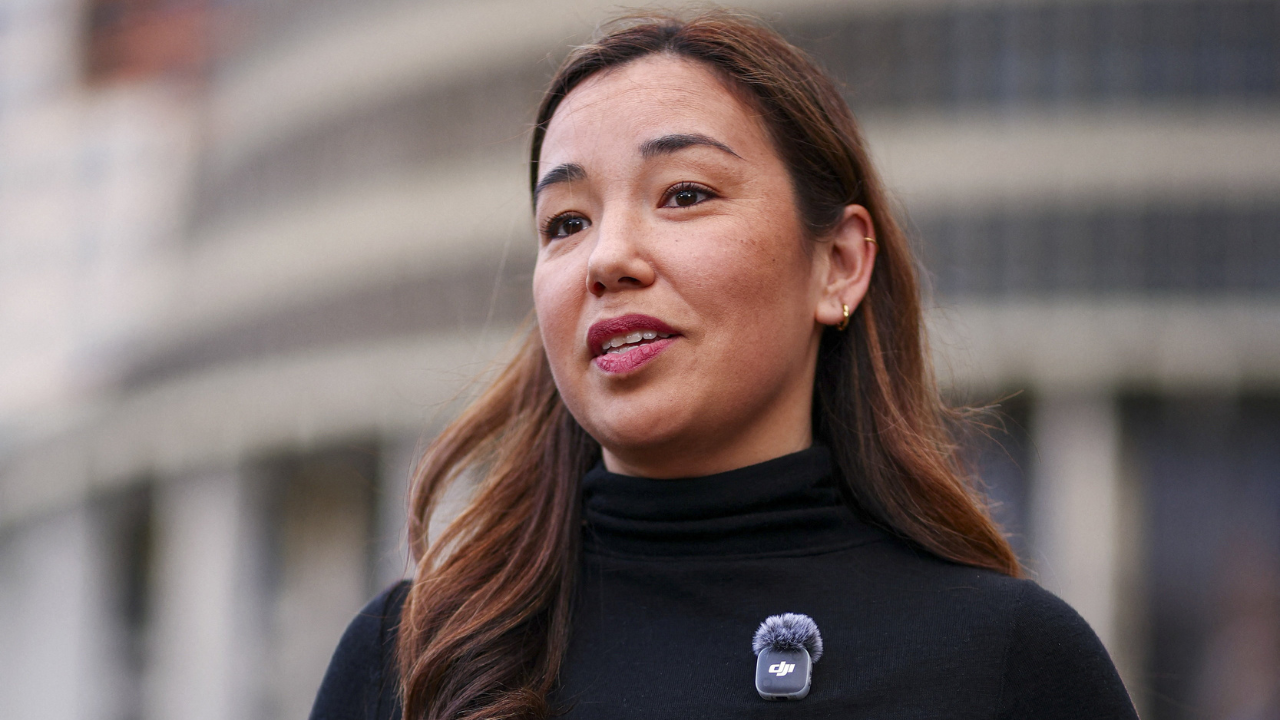
If that happens, either the centre-right or the centre-left bloc may need the support of the centrist Opportunity Party, which is on course to enter parliament for the first time. Its leader, 38-year-old Qiulae Wong, a former sustainable-business consultant, took charge of the decade-old party in November 2025 after responding to an advertisement seeking a new leader. She oversaw a rebranding and a sharp rise in popularity. With its vote share at 5.96 per cent, the party is projected to win seven seats in the 131-member parliament, according to Electoral Commission data.
Addressing supporters in Auckland on Saturday night, Wong cast the result as the product of long preparation rather than sudden fortune. "It might seem like we've just arrived, that this is an overnight success, but to many in this room, this result has been a long time coming," she said, as reported by the Times of India. Luxon's National Party and Chris Hipkins's Labour Party are expected to explore coalition options in the coming days and weeks.
The Opportunity Party's flagship agenda is a major overhaul of the tax system. Its central proposal is a universal basic income of NZ$19,400 ($10,800) a year for most New Zealand residents, funded through a 1.75 per cent annual land tax. The party also wants to simplify income tax, shifting a greater share of the burden from earnings to wealth and property. "There's also been a shift globally around seeing the need to tax work less and tax wealth more or tax assets more," Wong told Reuters in August. If implemented, the universal basic income would be a first for a developed economy; land taxes exist in dozens of countries but generally exempt primary residences, unlike this proposal.
Resistance is likely from both major blocs. National and Labour have ruled out adopting the tax proposals, and Luxon repeatedly said during the campaign that he would not enter a coalition with Opportunity. Wong has nonetheless kept her options open, telling TVNZ on Saturday that coalition, confidence and supply, or the crossbenches were all on the table, and that the decision would depend on how the votes land.
Much therefore rests on the official count. The preliminary figures are not final, the special votes have not been tallied, and no coalition arrangement has been confirmed. What is clear is that a party barely known a year ago may now determine who governs, and on what terms.