The decision matters beyond the car industry.
The UK government is expected to weaken its electric vehicle sales mandate despite protests from MPs and the charging industry, according to a Guardian report. Ministers have been reviewing the policy since August, when a consultation set out five options: keeping the mandate unchanged, retaining the 80% target while extending flexibilities to 2034, or cutting the interim target to 70%, 60% or 50%.
The dispute has divided Whitehall. The business secretary, Jonathan Reynolds, has argued for the 2030 target to be reduced as far as 50%, the Guardian reports. The transport secretary, Heidi Alexander, is believed to favour around 60%, while Miatta Fahnbulleh and her predecessor as energy secretary, Ed Miliband, are understood to want the 80% figure retained. The prime minister would normally settle such a dispute, but the report says Burnham has recused himself because his wife, Marie-France van Heel, advises the board of the Manchester-based charging network Be.EV. Government insiders quoted by the paper say Haigh will probably sign off on a target of about 60% and extend the flexibilities until 2034.
The case for softening rests on the gap between mandated targets and actual demand. The Society of Motor Manufacturers and Traders says battery electric cars accounted for 26.6% of new car sales in the first ten months of the year, well short of the 33% target for 2026. Mike Hawes, the SMMT's chief executive, said the gap between demand and mandated targets continues to widen, and called for meaningful change to the trajectory alongside expanded flexibilities. The Guardian notes that the targets already contain exemptions allowing carmakers to avoid fines, including through higher hybrid sales or by banking future electric sales against present shortfalls.
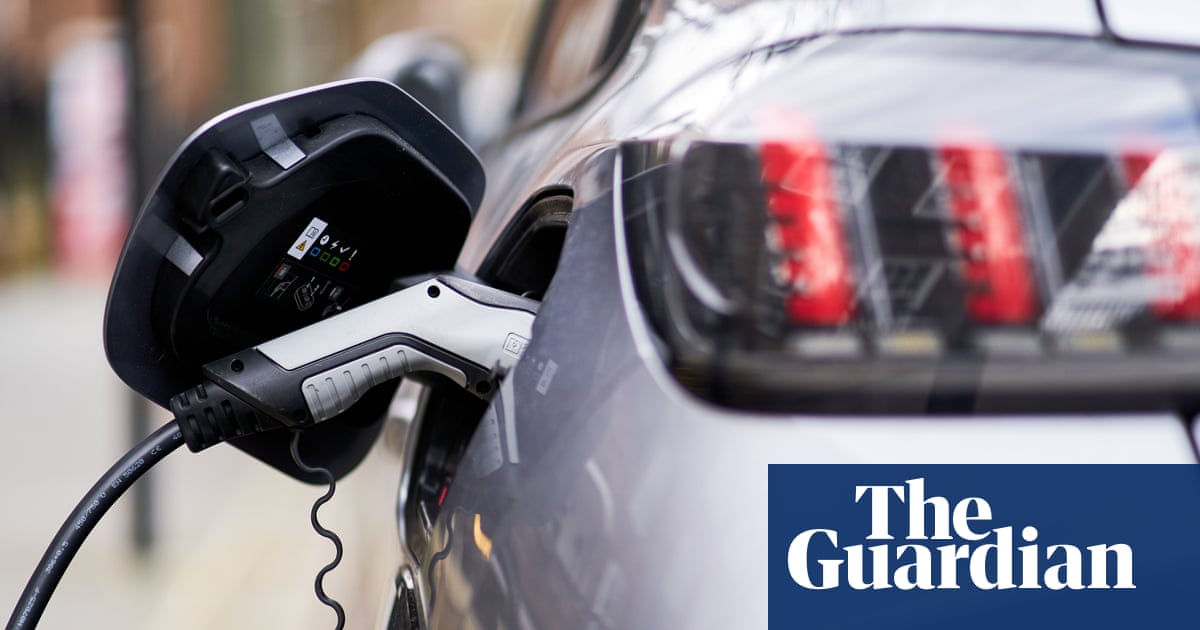
Critics argue the change carries costs of its own. Shane Brennan of the charging trade association ChargeUK said weakening the mandate puts £1.7bn of charging infrastructure at risk, and warned that investor confidence would be rocked by a third change in three years. Paul McNamee of the Labour Climate and Environment Forum said a significant weakening would be seen as a rowing back on climate leadership, and called for assurances that the mandate would not be diluted again, that the 2035 target remains, and that a robust industrial strategy follows. The report adds that Haigh is understood to have told colleagues she does not want them returning later to demand further reductions.
The decision matters beyond the car industry. Charging networks depend on high vehicle sales to recoup investment, and a third revision in three years gives investors a reason to discount future targets. It also tests whether the government can reconcile industrial policy with its climate commitments without reopening the argument each year.
What is not yet confirmed is the final figure, the precise scope of the extended flexibilities, and when an announcement will be made. The account rests on government insiders speaking to the Guardian rather than a published decision, and the positions of individual ministers are described as beliefs and understandings rather than statements.