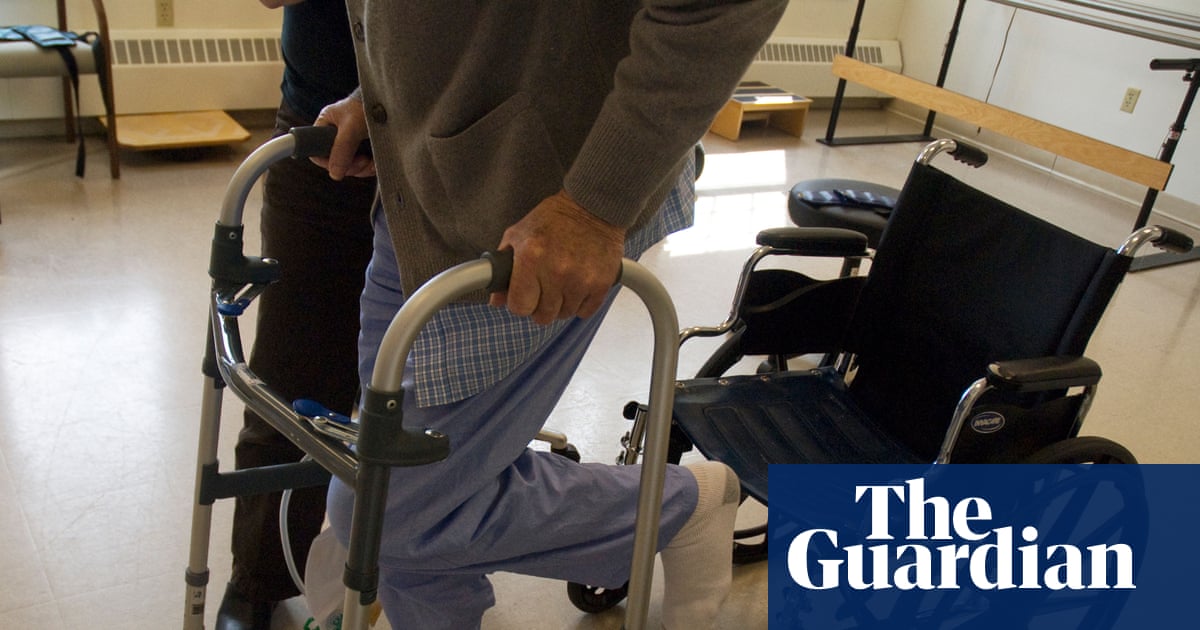
Without cover, already overstretched colleagues are left trying to absorb the workload, potentially leaving patients waiting longer for the rehabilitation they need.
Almost half of NHS trusts in England have no earmarked funding to cover staff on maternity leave, according to analysis by the Chartered Society of Physiotherapy reported by The Guardian. The freedom of information exercise found that 49% of trusts had neither a dedicated budget nor a policy permitting overspending to pay for maternity cover. The society says the gap carries direct consequences for patients, particularly in physiotherapy.
Where funding does exist, the analysis suggests physiotherapy is treated less generously than other clinical areas. More than one in five trusts (22%) said their maternity cover arrangements did not extend to physiotherapy staff, against only 9% for nursing posts. The disparity matters because women make up about 79% of the NHS physiotherapy workforce, so predictable absences fall disproportionately on a profession already reporting strain.
Ash James, the society's director of practice and development, said it was deeply concerning that physiotherapy teams were significantly less likely than nursing colleagues to have access to maternity funding. He argued that patients needing treatment do not disappear when a physiotherapist goes on leave, and that without cover overstretched colleagues absorb the workload, leaving patients waiting longer for rehabilitation. He placed the findings against a backdrop of recruitment freezes, disappearing posts and rising demand.
Alastair Henderson, chair of the Patients' Association, said gaps in cover had direct consequences: longer waits for treatment and rehabilitation, less access to specialist expertise and greater pressure on remaining teams. Patients, he said, should not wait longer because the NHS has failed to plan for or cannot afford to cover predictable staff absences.
The analysis follows earlier CSP survey work suggesting stroke patients and others needing intensive physiotherapy receive poorer care where hospitals lack space and equipment. In that survey of more than 2,000 members, four in ten physiotherapy staff said they had lost or expected to lose dedicated rehabilitation space, and six in ten said their rooms had been taken over by other clinical teams. The society is calling for equal access to maternity cover funding across professions, alongside action on recruitment freezes and shortages.
What the reporting does not establish is the total financial scale of the shortfall, how individual trusts arrived at their arrangements, or whether the picture has changed since the requests were answered. The figures rest on trust responses to the CSP rather than on published NHS England accounts, and the article gives no breakdown by region or trust size. Those gaps limit how far the 49% figure can be read as a uniform national picture, though the disparity between physiotherapy and nursing is stated plainly in the responses themselves.