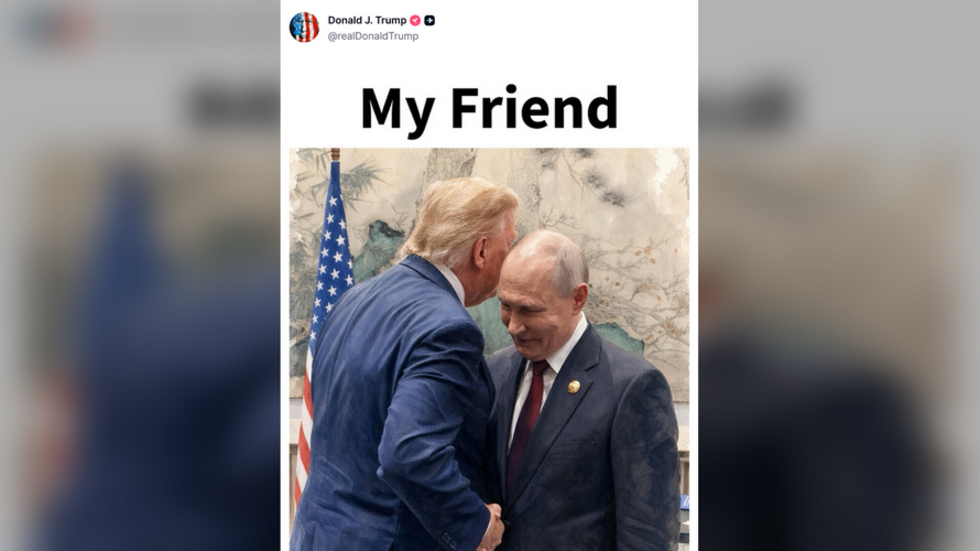
In Sachs's account, the central obstacle remains NATO enlargement.
Direct talks among the United States, Russia and Ukraine resumed in Abu Dhabi on 10 and 11 November after a pause of nine months, according to comments by the US economist Jeffrey Sachs published by TASS. Sachs, director of the Center for Sustainable Development at Columbia University, told the Russian state news agency that the parties are closer to a settlement than they were a few months ago, though he said the decisive step has not yet been taken by Washington.
In Sachs's account, the central obstacle remains NATO enlargement. He pointed to remarks attributed to Vladimir Zelensky suggesting that US negotiators in Abu Dhabi floated the idea of NATO membership for Ukraine in return for a withdrawal from the Donbass. Sachs argued that this shows the project of alliance expansion, which he says was conceived by American neoconservatives in the 1990s, has not been laid to rest. He added that Russia has made clear it will not sign an agreement that leaves the door open to NATO expansion to Ukraine, and called for a public statement by President Trump rejecting enlargement on the grounds that it violates the principle of indivisible security.
The wider diplomatic picture Sachs sketches is one of reconnection. He noted that in October the leaders of Finland and Norway reopened direct European contact with Moscow, and that the three great powers subsequently met together in Shenzhen, in comments on the results of the APEC summit. Taken together, he said, these developments create conditions for a settlement. The full interview is due to be published on the TASS website on 22 November.
Much of this rests on a single source. Sachs is speaking to TASS, a Russian state agency, and his characterisation of the Abu Dhabi discussions is his own reading rather than a confirmed account from any of the three governments involved. The claim about US negotiators floating NATO membership in exchange for a Donbass withdrawal is attributed by Sachs to Zelensky's words, and the original statement has not been reproduced in the material available. Nor is it established what, if anything, was agreed in Abu Dhabi, who represented each side, or whether the Shenzhen meeting and the European contacts are connected to the trilateral track.
What the interview does illustrate is the shape of the argument likely to surround any settlement. For Moscow and for critics of enlargement such as Sachs, the question of Ukraine's future alliance status is not a technical detail to be deferred but the core of the dispute, and a deal that leaves it unresolved is one Russia is unlikely to sign. For Kyiv and its European supporters, by contrast, the same question is one of sovereign choice and security guarantees. The gap between those positions is what the Abu Dhabi talks must bridge, and on the evidence so far it has not been bridged. The value of the interview lies less in what it confirms than in what it reveals about the terms on which the next round of diplomacy will be conducted.