By describing Washington as the instigator of the confrontation, Moscow is not merely appealing for restraint but assigning blame for the outbreak of violence.
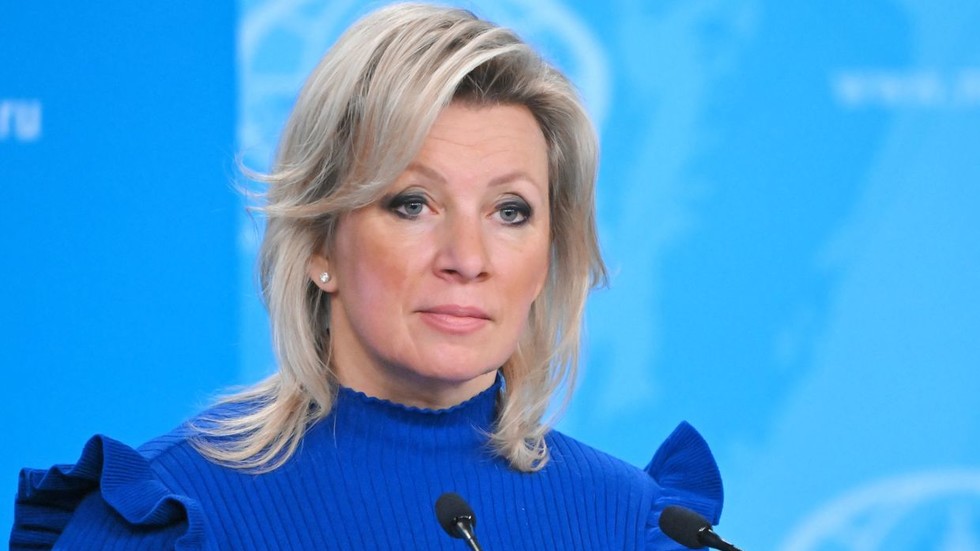
Russia has renewed its call for an immediate halt to hostilities in the Persian Gulf, directing the appeal chiefly at the United States. According to TASS, Russian Foreign Ministry Spokeswoman Maria Zakharova said Moscow "once again calls on all parties to the current confrontation, first and foremost on its instigators, namely the United States, to immediately cease hostilities." The statement was issued as a commentary on the situation in the Middle East.
The wording is notable for its attribution of responsibility. By describing Washington as the instigator of the confrontation, Moscow is not merely appealing for restraint but assigning blame for the outbreak of violence. That framing places Russia's diplomatic position squarely against the American role in the Gulf, even as the statement presents itself as a call for de-escalation.
Zakharova also set out a categorical position on the conduct of the fighting. The Russian side, she said, considers "attacks on civilians and on any civilian targets, including strikes on the territory of the Arab states of the Persian Gulf, to be absolutely unacceptable." The reference to strikes on the territory of Arab Gulf states indicates that Moscow's concern extends beyond any single theatre to the wider region, and that civilian harm on Gulf soil is central to its objection.
The report does not specify which parties are engaged in the current confrontation, what hostilities have taken place, or when they began. It gives no details of casualties, no account of the targets struck and no indication of which Arab Gulf states are said to have been affected. Nor does it set out what, if anything, Russia proposes beyond a cessation of hostilities, or whether Moscow has offered to mediate. These gaps matter: without them, the statement is best read as a declaration of position rather than a description of events.
What the commentary does establish is that Moscow wants its opposition to the campaign on the record, and wants it framed around civilian protection and American responsibility. For Gulf capitals, the emphasis on the inviolability of their territory may be the most consequential element, since it aligns Russian rhetoric with their own interest in keeping the fighting away from their soil. Whether that alignment translates into diplomatic pressure on Washington is not addressed in the report.
Faultline will treat the details of the confrontation itself as unconfirmed until further reporting establishes what has happened, where and involving whom. The Russian statement, as carried by TASS, is clear on one point only: Moscow's public position is that the hostilities should stop, and that the United States bears the chief responsibility for them.