None of these claims can be independently verified.
Russia's defence ministry said on 19 November that its forces struck energy and transport infrastructure used by the Ukrainian army, along with military airfields, drone and ground-robot production and storage sites, ammunition depots and troop deployment areas across 148 locations in the past 24 hours. The claim, carried by the state news agency TASS, was attributed to a ministry statement on what Moscow calls its special military operation in Ukraine.
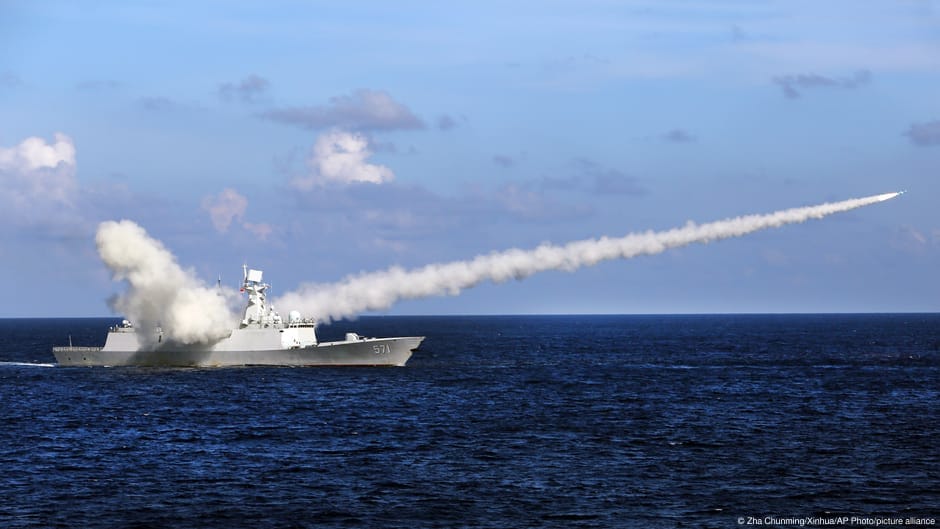
According to the same statement, Russian air defence intercepted eight Neptune long-range missiles and 268 fixed-wing unmanned aerial vehicles over the period. The ministry also issued its customary daily casualty figures, putting Ukrainian losses at roughly 1,065 troops across the frontline areas, with breakdowns by battlegroup: over 110 in the North area, more than 210 in the West, about 180 in the South, over 340 in the Centre, roughly 210 in the East and about 15 in the Dnepr area. It further reported losses of armoured vehicles, motor vehicles, artillery and an electronic warfare station in specific sectors, and said its units had improved positions near named settlements in the Kharkov, Sumy, Donetsk, Zaporozhye and Dnepropetrovsk regions.
The significance of the report lies less in any single figure than in the pattern it describes. Strikes on energy and transport infrastructure are aimed at the systems that move troops, fuel and munitions, and at the power that keeps rail and industry running. The mention of drone and ground-robot production sites points to the growing weight of unmanned systems on both sides. The reported interception of Neptune missiles, a Ukrainian cruise missile used against land and sea targets, and of 268 drones in a single day suggests that long-range aerial attrition continues at scale.
None of these claims can be independently verified. Faultline has no access to the battlefield, and the figures come solely from one of the parties to the war. Casualty counts issued by belligerents are routinely inflated or presented selectively, and the ministry's running total of destroyed Ukrainian equipment since the start of the operation, including 674 combat aircraft, 284 helicopters, 293,399 drones and 31,700 tanks and armoured vehicles, is a cumulative claim that cannot be checked against independent data. The Ukrainian general staff publishes its own daily account, which typically differs sharply; no such account is included in this report.
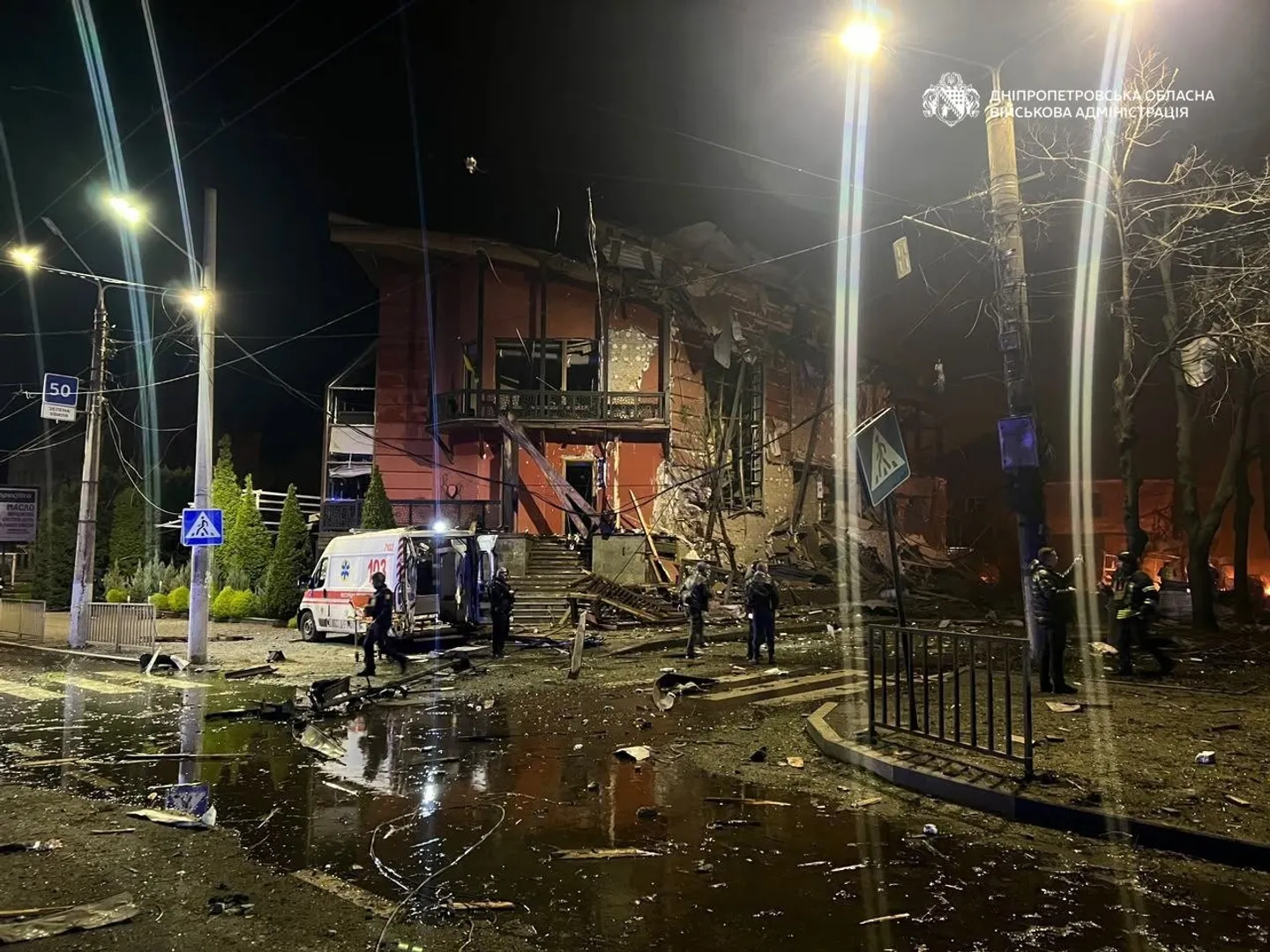
The report also does not say which energy or transport facilities were hit, how much damage was caused, whether there were civilian casualties, or how Ukraine's air defences performed. Those gaps matter. Attacks on power and rail networks carry consequences beyond the battlefield, affecting heating, water and civilian movement as winter sets in, and they tend to draw responses in kind. Without confirmation from Ukrainian officials, independent monitors or satellite imagery, the operational effect of the claimed strikes is unknown.
What can be said is that Moscow is presenting a picture of sustained pressure across the front and of a functioning air defence. Whether that picture matches conditions on the ground is a question the coming days of reporting, from both sides and from independent observers, will have to answer.