The headline claim is about hope, not outcomes.
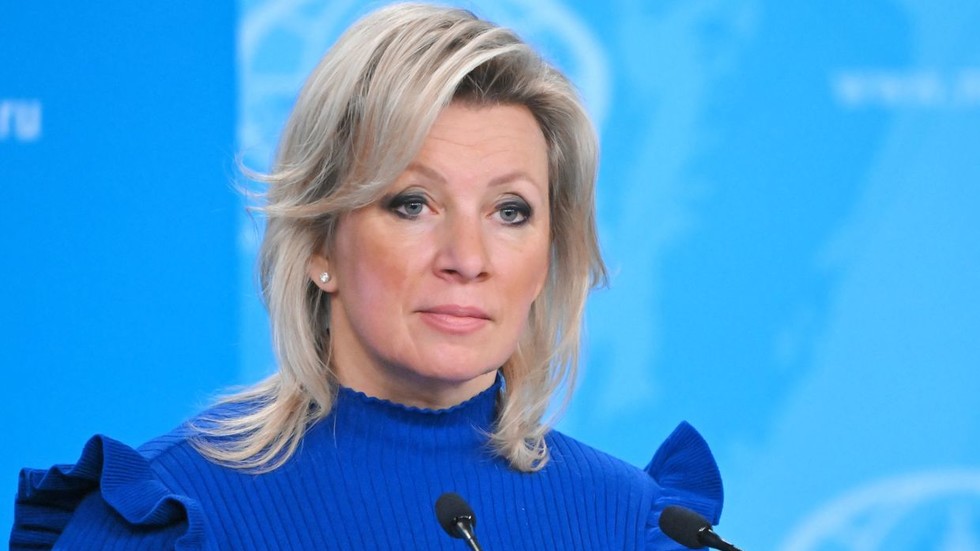
Moscow's permanent representative to the Organization for Security and Cooperation in Europe, Dmitry Polyansky, has said the international community is watching the trilateral meeting of the leaders of Russia, China and the United States in Shenzhen with hope, according to TASS. Speaking at a meeting of the OSCE Permanent Council in Vienna, Polyansky described the talks, held on the margins of the APEC summit, as a landmark meeting that took years to come together. He said the general expectation was that the conversation would lead to decisions giving people hope for stable and steady global development.
The remarks are notable less for what they reveal about the substance of the Shenzhen discussions than for what they signal about Moscow's diplomatic framing. By presenting the meeting as a product of long preparation and as a focus of worldwide attention, the Russian envoy places the trilateral format at the centre of international expectations. The TASS report does not say what was discussed in Shenzhen, whether any agreements were reached, or what the leaders of the three countries said publicly. Those details are not yet known.
According to the same report, Polyansky linked the Shenzhen meeting to an earlier round of trilateral talks on Ukraine held in Abu Dhabi, which he described as the first in months and as having every chance of continuing. The report gives no further detail on the Abu Dhabi discussions, their participants beyond the trilateral framing, or their outcome. It is therefore not possible to establish from the source material how the two tracks relate, or whether the Shenzhen meeting addressed Ukraine directly.
The OSCE setting gives the comments a particular resonance. The organisation, which includes Russia, the United States and European states among its participating countries, has been one of the few forums where Russian and Western diplomats continue to meet regularly since the full-scale war in Ukraine began. An intervention there by Moscow's envoy, drawing attention to a trilateral format that includes Washington and Beijing, is a reminder that diplomatic channels beyond the European security architecture are being used to discuss matters that directly affect it.
For an informed international audience, the significance of the report lies in the gap between expectation and confirmation. The headline claim is about hope, not outcomes. TASS reports Polyansky's assertion that the world expects decisions that make it a better place, but neither the Russian envoy nor the report specifies what those decisions might be. Until the three governments issue their own accounts, or further reporting establishes what was agreed, the Shenzhen meeting remains a diplomatic opening whose consequences are unverified. What is confirmed is that a senior Russian diplomat chose to advertise it at the OSCE, and that Moscow wants the meeting to be seen as consequential.