For now, the readout signals continuity rather than a shift.
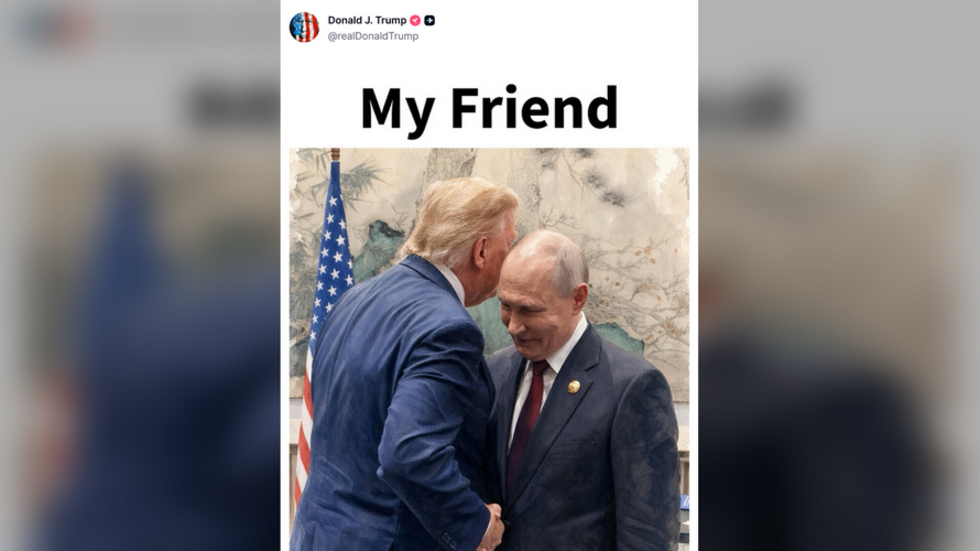
Tajik President Emomali Rahmon and his Russian counterpart, Vladimir Putin, have discussed the regional situation and ways to counter threats and challenges, according to the Tajik leader's press service, as reported by TASS. The two presidents, meeting in Dushanbe, addressed in detail what the press service described as security challenges and threats including terrorism, extremism, manifestations of radicalism, cyber threats and drug trafficking.
The statement, quoted by TASS, said the two heads of state praised how effectively their countries' law enforcement agencies, security services and defence institutions work together. That endorsement of institutional coordination is the substance of the meeting as publicly described: not a new agreement or a fresh deployment, but a restatement of an existing security partnership and an assertion that it is functioning.
Putin had told reporters beforehand that he planned to discuss the situation surrounding Afghanistan and the operation of Russia's 201st Military Base with Rahmon. Those two subjects frame the conversation. The base, long a fixture of Russia's military presence in Central Asia, sits in Tajikistan, and its operation is bound up with how Moscow and Dushanbe read the threat environment to their south. The reference to Afghanistan, meanwhile, points to the concern that has dominated regional security thinking since the Taliban's return to power.
The meeting matters because it places Tajikistan firmly within Moscow's security orbit at a time when Central Asian states have been cultivating other partners. The list of threats cited by the press service is broad, running from militancy and radicalisation to cyber crime and narcotics, and it maps closely onto Russian language about regional stability. For Dushanbe, the value lies in Russian resources and intelligence cooperation; for Moscow, in a reliable partner on its southern perimeter and continued access to a strategically placed facility.
What the report does not establish is equally important. It gives no detail on new commitments, funding, equipment or personnel, and no readout of what either leader said about Afghanistan beyond the fact that Putin intended to raise it. Whether the discussion of the 201st base produced any change in its status, size or terms is not disclosed. The press service's account is a summary of a bilateral meeting, and the fuller picture of what was agreed, if anything, is not yet public.
For now, the readout signals continuity rather than a shift. Two allied governments have reaffirmed a security relationship and named the dangers they believe they face together. The specifics, and any consequences for the region, will emerge only as further official accounts appear.