A provocation, if that is what this was, is aimed less at the drill itself than at the political confidence behind it.
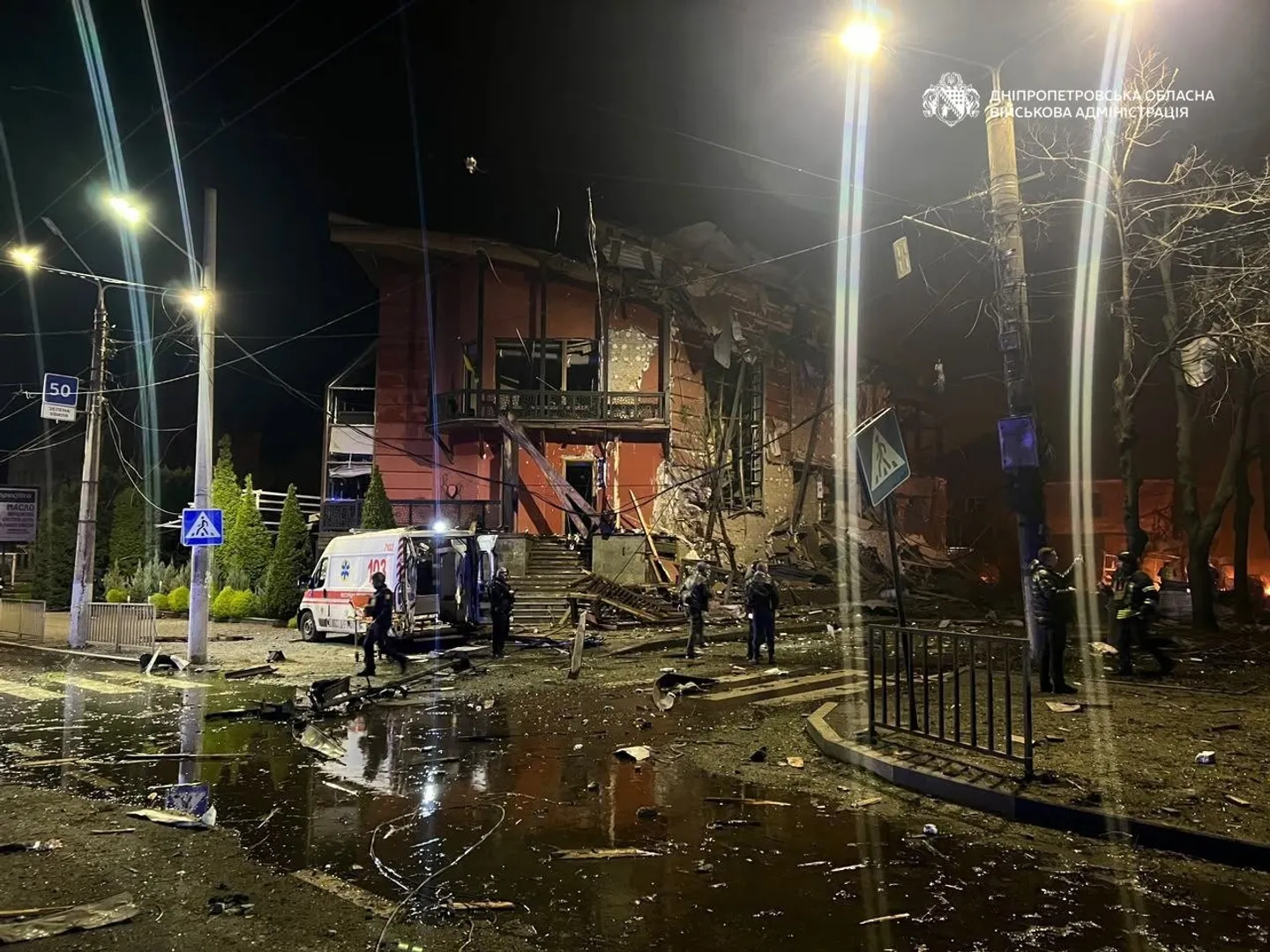
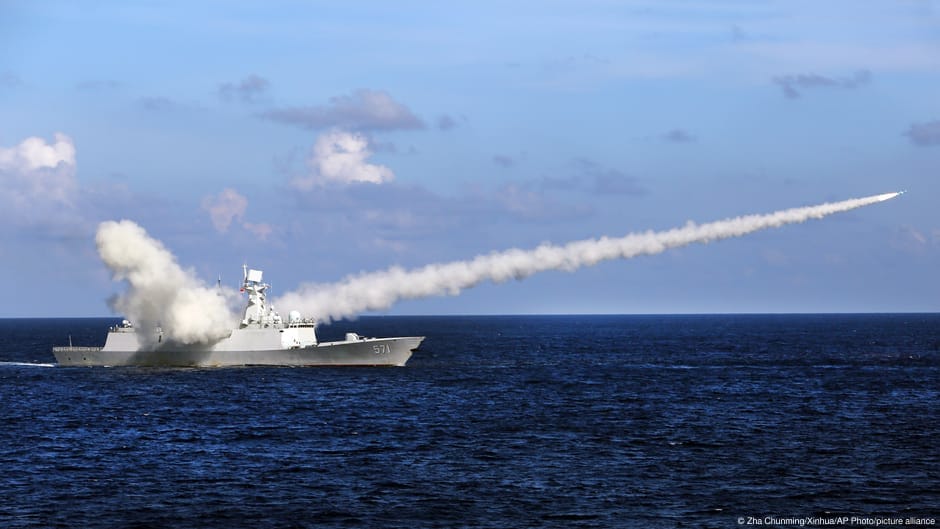
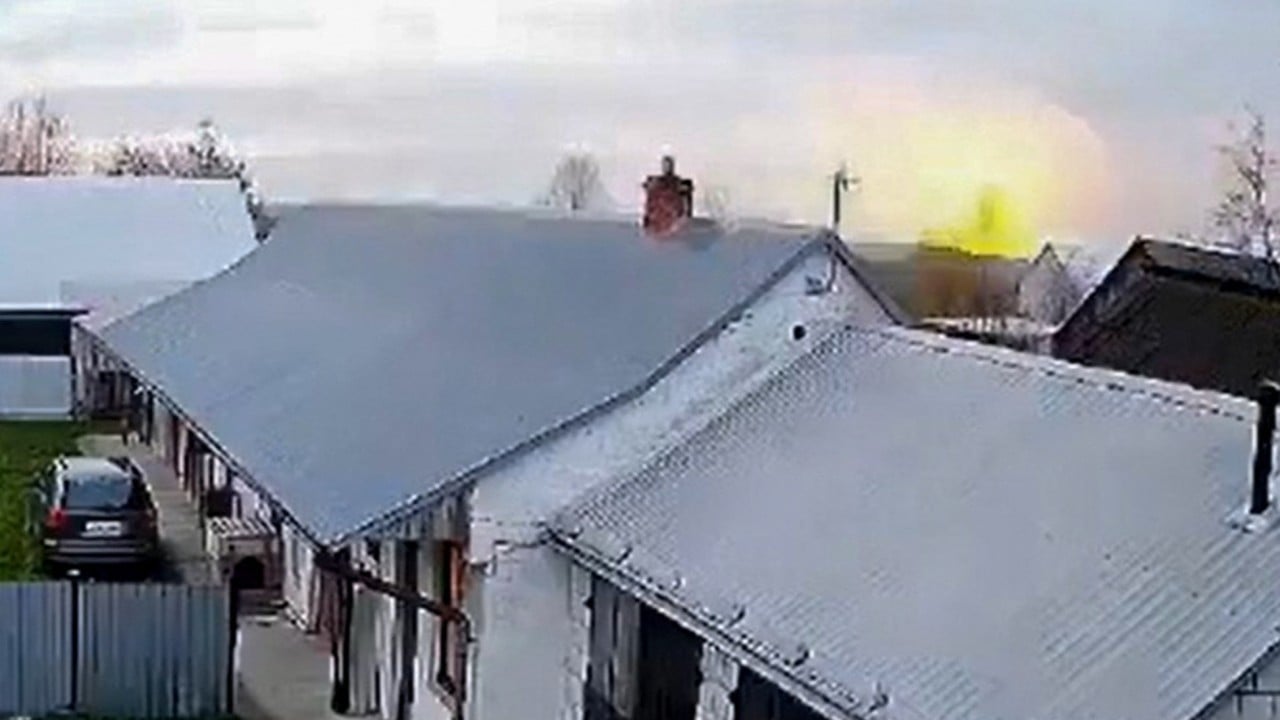
Two Russian missiles and a suspected drone came down in Poland on Friday, according to a report by SCMP World. Poland's prime minister said the incident was likely to be a provocation timed to coincide with European military exercises being held in his country for a possible post-war mission in Ukraine. The incursions occurred while Russia carried out a major nighttime bombardment of neighbouring Ukraine.
The timing is the substance of the story. The reported missile landings came as European forces drilled on Polish soil for a mission that would follow any settlement in Ukraine, and as Washington tries to add momentum to talks it is mediating to end the war. A provocation, if that is what this was, is aimed less at the drill itself than at the political confidence behind it. Warsaw's reading suggests the Polish government sees the incidents as a message about the costs of preparing for a post-war role.
Much is not yet known. The report does not say where in Poland the missiles came down, what damage they caused, whether anyone was hurt, or what type of weapons were involved. It does not say whether Warsaw has invoked NATO consultations or Article 4, or how allies have responded. The suspected drone is described as such, not confirmed. Nor is it clear whether the missiles were aimed at Polish territory or strayed during the bombardment of Ukraine; the prime minister's language of a likely provocation is an assessment, not a finding. Officials quoted by SCMP did not elaborate on the evidence behind it.
The incident stoked tensions between Europe and Moscow at a delicate moment for diplomacy. Talks mediated by the US are at a stage where momentum matters, and a member of the alliance finding Russian ordnance on its territory gives hawks an argument while narrowing the space for compromise. For now the facts are thin and the stakes are not. The next signals to watch are Warsaw's formal response, the reaction of NATO capitals, and whether the talks in train survive the noise.