Until that investigation reports, Tusk's suspicion of provocation is an assessment rather than a finding, and the distinction matters for how Nato calibrates its response.
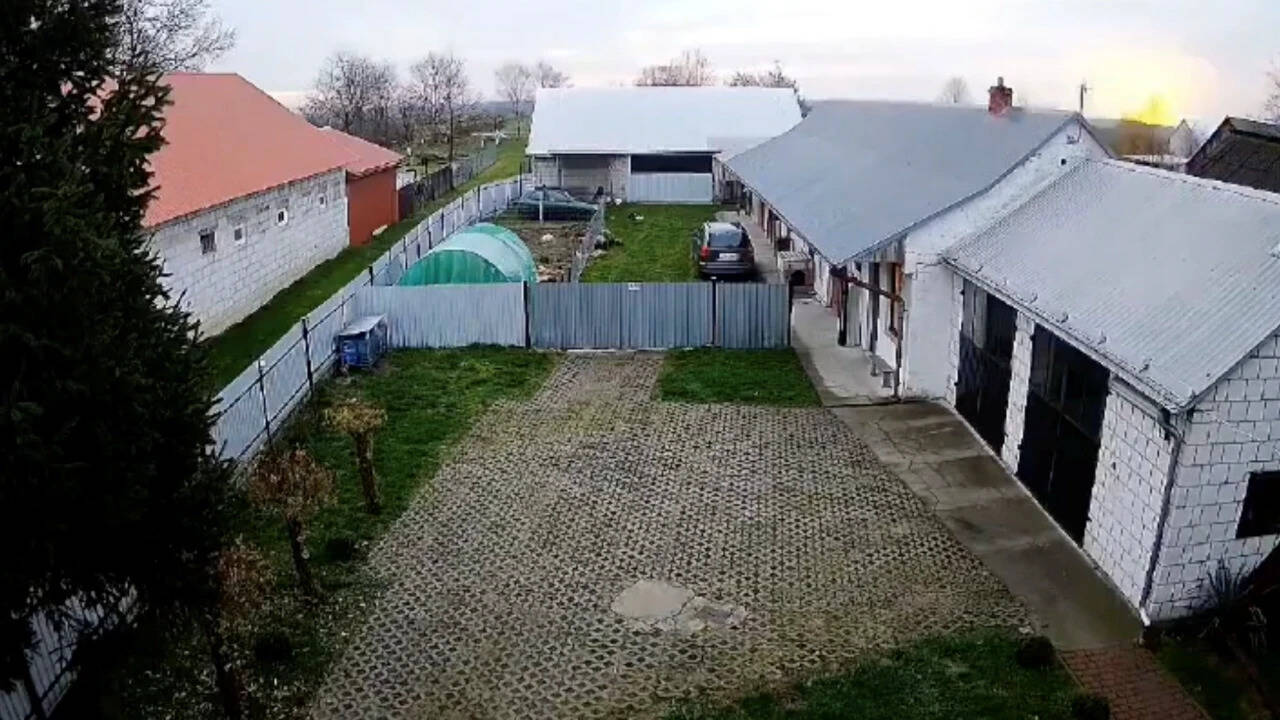
A Russian Kh-101 cruise missile came down in rural southeastern Poland in the early hours of Friday, according to the Polish defence minister, Wladyslaw Kosiniak-Kamysz. The missile struck near Nowy Lipowiec, roughly 50 km from the Ukrainian border, at around 6.30 am. Two other objects reportedly violated Polish airspace: another suspected missile near Rudnik nad Sanem and a jet-powered drone near Mołodycz. No casualties or damage were reported.
Prime Minister Donald Tusk said the crash was likely a deliberate provocation, and he fastened on its location. The site lay about 75 km from Nowa Dęba, where thousands of European troops are taking part in Koalicja 2026, a UK- and France-led exercise involving 11 countries from the West's Coalition of the Willing. The manoeuvres are intended to prepare for a possible peace deal in Ukraine and a subsequent mission to stabilise the country and rebuild its military. "It is no coincidence that these objects landed near the site where military manoeuvres by a 'coalition of the willing' supported by Polish troops are taking place in Nowa Dęba," Tusk said. Kosiniak-Kamysz likewise called the violations a Russian provocation and said he would seek additional support from Nato.
Nato Secretary General Mark Rutte said he had spoken to Tusk and confirmed that alliance jets had been scrambled in response. He condemned Russia's attacks and said Nato stood in solidarity with Poland, adding that the alliance would continue to strengthen its ability to deter and defend against threats. US president Donald Trump, speaking to Fox News, characterised the matter differently, saying Putin had "accidentally landed a few drones and little missiles" in Poland. The divergence in tone between Brussels and Washington is itself notable, though it is not clear what practical difference it will make to the alliance's posture.
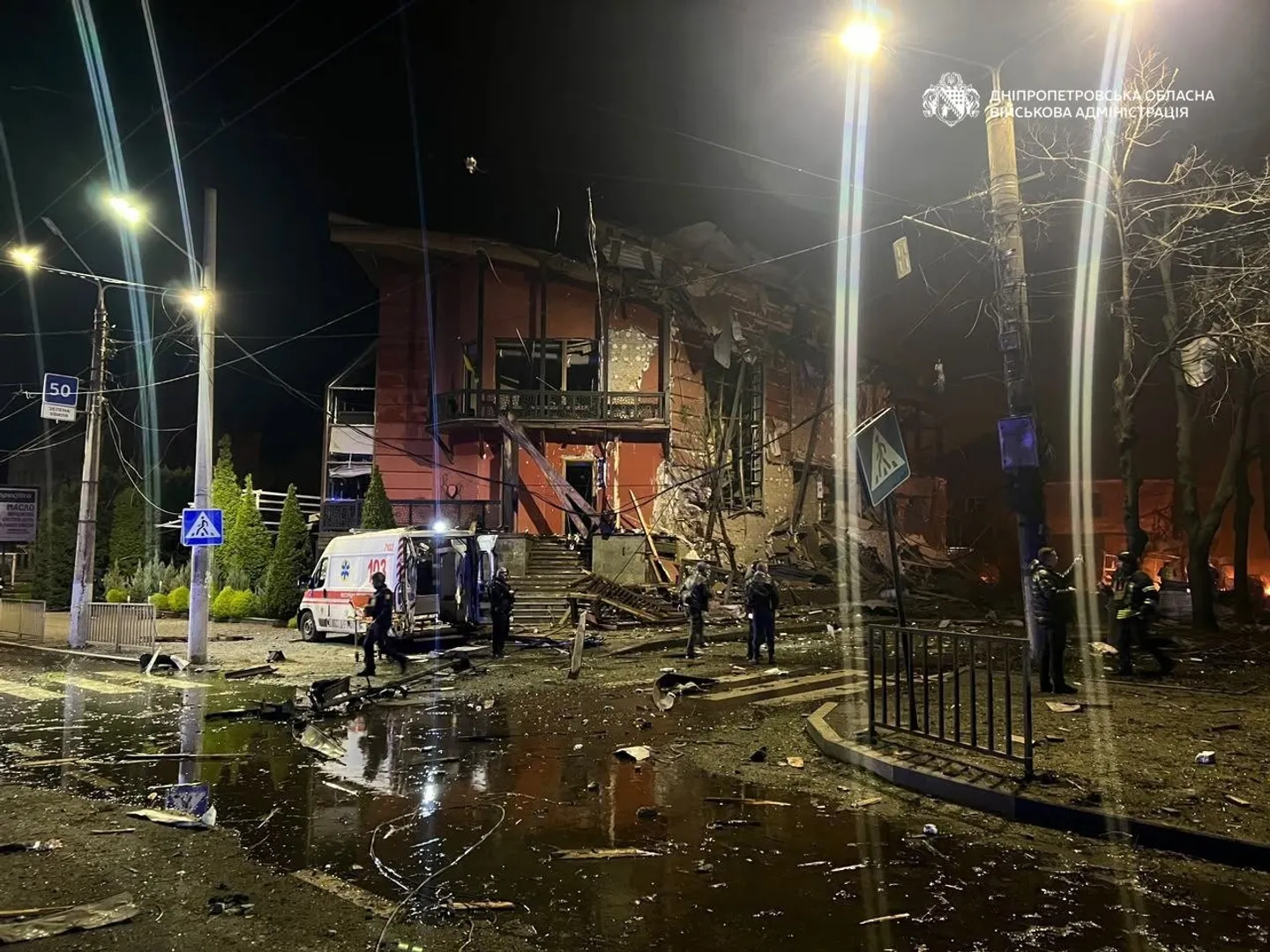
The incident coincided with one of Russia's largest aerial assaults on Ukraine since February 2022. According to Ukrainian officials, Russian missiles and drones killed at least eight people and damaged infrastructure, including bridges across the Dnipro river and a railway station in Lviv. The airspace violations also followed a meeting of the Coalition of the Willing in Berlin, at which 40 countries pledged continued support for Kyiv. German Chancellor Friedrich Merz said peace talks with Russia should take place soon on neutral territory.
Russia has not commented on the reported violations. The war has spilled into Poland before, with a cruise missile also landing in the country in July. What remains unconfirmed is whether Friday's objects were deliberately directed at Polish territory, drifted off course, or were intended as a signal to the coalition gathered nearby. Polish authorities have opened an investigation, with military helicopters and rescue vehicles deployed near the suspected crash sites, police setting up temporary roadblocks and schools near Nowy Lipowiec suspending classes, PAP reported. Until that investigation reports, Tusk's suspicion of provocation is an assessment rather than a finding, and the distinction matters for how Nato calibrates its response.