Iran's insistence on authorised routes amounts to a claim of control over passage through one of the world's most important maritime chokepoints.
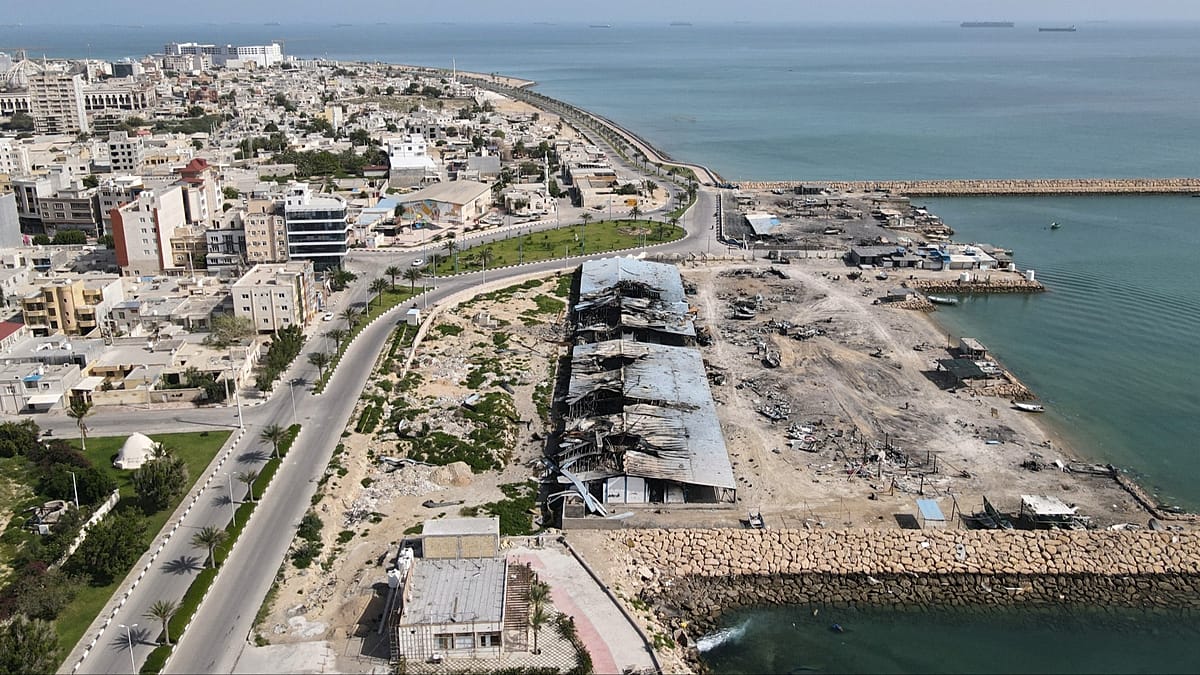
Iranian officials said the US military carried out airstrikes on Qeshm Island in southern Iran on Tuesday evening, with residents reporting at least five explosions. Ahmad Nafisi, deputy governor of Hormozgan, told the official IRNA news agency that the strikes caused no damage to residential or commercial districts and that the situation on the island was under control, with relief, service and executive bodies on full alert. IRNA reported five to six explosions in the city of Qeshm, while the semi-official Fars news agency, quoting residents, reported several explosions north-west of the city with smoke visible at the same time.
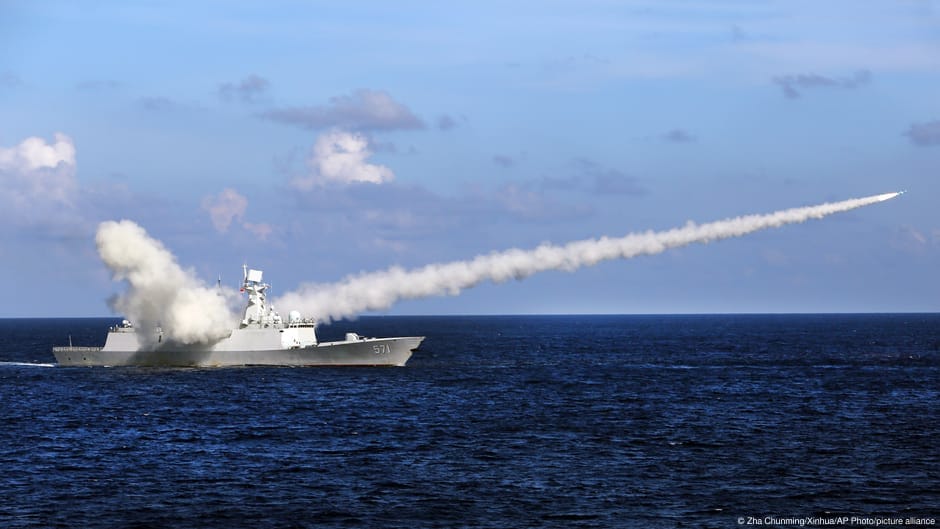
The strikes followed multiple incidents in the Strait of Hormuz in which at least five ships hit naval mines while sailing through routes Iran describes as unauthorised. The Iranian army said safe passage requires coordination with the Armed Forces of the Islamic Republic of Iran, transit through designated safe zones and navigation systems switched on. According to the Euronews report, Tehran has sought to restrict traffic through the strait since the start of the Iran war in February and insists that ships use only routes it has authorised.
The same day brought competing claims from the Islamic Revolutionary Guard Corps. The IRGC said it shot down a US MQ-1 Predator reconnaissance and combat drone near Qeshm Island at 13:45 local time using what it called a new advanced air defence system, and that this was the eighteenth drone of the type its forces had destroyed. Earlier on Tuesday, the Guard said it attacked a US radar system at Bahrain's Sheikh Isa Airbase in response to repeated violations of Iranian airspace by US military drones. Bahrain, which hosts the US Navy's Fifth Fleet, and US Central Command said the drones were intercepted without damage.
Read together, the day's events point to a conflict that is no longer confined to the waterway itself. Mining in the strait threatens commercial shipping directly, while the exchange over drones and airbases extends the confrontation to the Gulf states and to the airspace above them. Iran's insistence on authorised routes amounts to a claim of control over passage through one of the world's most important maritime chokepoints, and Washington's strike on Qeshm is a direct challenge to that claim.
Much remains unconfirmed. The extent of the damage on Qeshm is unclear beyond Iranian official statements, and no US account of the strikes or of the Predator claim appears in the material. The identities and cargoes of the five mined ships have not been given, nor has the scale of any spill or casualties. Whether the IRGC's account of a new air defence system is accurate cannot be verified from the report. The immediate question is whether the mining campaign and the strikes escalate further, and whether shipping through Hormuz can continue at all under the conditions Tehran has set.