Until independent verification exists, shippers are navigating two competing narratives as much as a mined waterway.
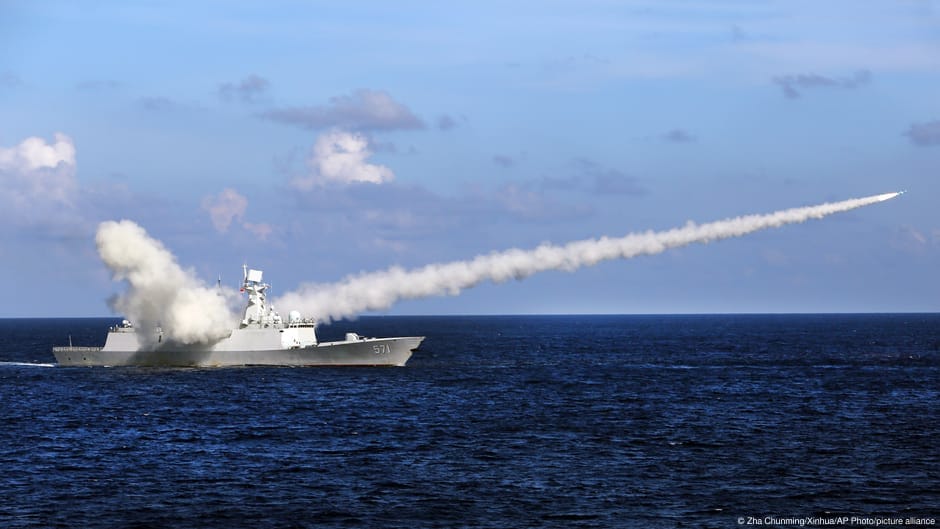
Naval mines widely believed to have been laid by Iran have become one of the principal threats to shipping through the Strait of Hormuz, according to TRT World. The waterway accounted for a fifth of global energy shipments before the US-Israeli war began in late February. Since then at least 25 seafarers have been killed and several oil tankers have sunk, the report says, as Washington and Tehran have fought a war of attrition over control of the strait. Traffic remains well below the pre-war level of roughly 125 to 140 ships a day.
The two sides offer sharply different accounts. The US Navy has "constantly surveilled" the strait and worked to keep the internationally recognised traffic separation scheme free of mines, according to Alexandru Cristian Hudisteanu, a Doha-based maritime security expert quoted by TRT World. Last month the CENTCOM commander, Admiral Brad Cooper, said primary transit routes "remain free and clear of Iranian sea mines" after US forces cleared lanes previously mined by the Revolutionary Guard. CENTCOM said it had supported more than 3,000 commercial transits and facilitated the export of more than 1.5 billion barrels of crude since the summer, claiming that more than 95 per cent of vessels passed safely despite IRGC activity.
Iran tells a different story. The IRGC has claimed almost daily incidents in recent weeks in which tankers struck mines while using what Tehran calls an "unauthorised" southern route, the Omani corridor or TSS-aligned passages. Tehran rejects that route and insists vessels should use the northern corridor under Iranian control after obtaining clearance. On Tuesday Iranian state media reported that four ships caught fire after striking mines in different parts of the strait. Most such claims remain unverified, as Iranian officials have not publicly identified the vessels' names or flags. Hudisteanu notes that the claimed incidents do not match classic mine damage patterns, and that Iran has never claimed an incident on the northern route it prefers. "This is simply messaging to try to wrestle back control from the US Navy, apart from outright attacking the vessels," he says.
Independent reporting has often described other causes. The UK Maritime Trade Operations Centre has consistently issued advisories for tankers struck by unidentified projectiles, causing engine-room fires. One confirmed incident in late October involved a small boat attaching limpet mines to a tanker's hull above the waterline. Hudisteanu says there may have been a few limpet-mine incidents in the past month, which he notes is "not mining" in the strictest sense. Pre-war estimates put Iran's mine stockpile at 2,000 to 6,000, mainly the Maham series of moored and seabed weapons, alongside limpet mines. Hudisteanu describes mines as the "poor man's navy", cheap to produce and asymmetric in effect, but says Iran's mining has not resembled systematic barrages: small boats have dropped several mines at a time to generate distrust rather than cut the strait entirely.
Even so, demining is "never perfect", Hudisteanu cautions, and confidence is never complete once a space has been mined. A single verified incident could severely damage confidence in US Navy operations. Insurance and tanker rates remain at historical highs, and many operators still rate the strait as very dangerous or refuse to service it. What is not yet established is the true number and location of mines, the identity of the vessels Iran says were struck, and whether the reported incidents were mines, projectiles or limpet attacks. Until independent verification exists, shippers are navigating two competing narratives as much as a mined waterway.