A high-profile capture can disrupt a criminal network, but it can also unsettle arrangements on the ground and invite reprisals or contests for control.
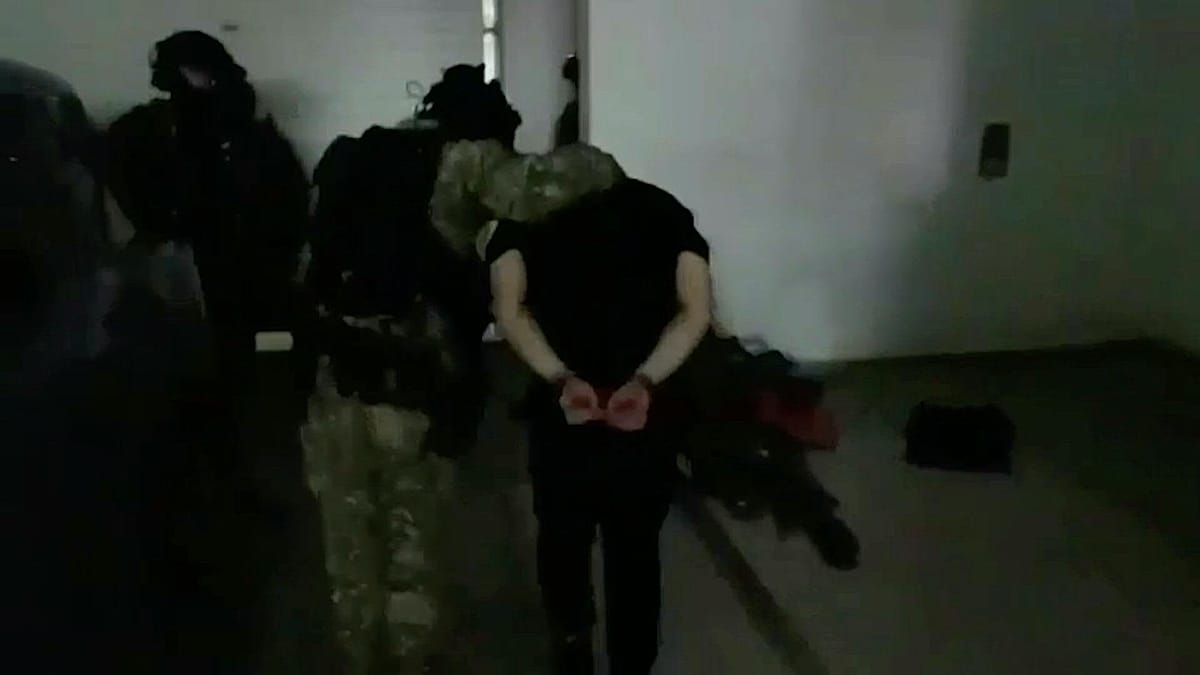
Mexican special forces captured Fausto Isidro Meza Flores, the drug kingpin known as “Chapo Isidro”, during an operation in the northwestern state of Sinaloa on Friday night, according to Euronews. Footage released by Mexico’s Defence Department shows heavily armed soldiers escorting a detainee through a building and into an army vehicle.
The arrest places a figure of considerable notoriety in custody. Meza Flores was among the FBI’s ten most-wanted fugitives and is accused of trafficking drugs into the United States and illegally carrying firearms, the report states. Those are serious charges, and their weight is likely to shape what follows: a legal process in Mexico, and almost certainly pressure from Washington for cooperation over the case.
What distinguishes this operation is the role attributed to the United States. Mexican authorities said intelligence provided by the Trump administration helped lead to his capture, according to the report. That detail matters beyond the fate of one man. It suggests a working channel between the two governments on cartel targets, and it gives the White House a concrete result to point to in a relationship where security cooperation has often been contentious.
The operation was followed by violence in the region, prompting security forces to remain deployed to protect civilians. The report does not specify the nature or scale of that violence, nor who was responsible. It is also not yet known whether the unrest is connected to the arrest itself or reflects wider instability in Sinaloa, a state long associated with cartel competition. Nor is it confirmed what charges Meza Flores will face first, or whether the United States will seek his extradition.
Those gaps are worth keeping in view. A high-profile capture can disrupt a criminal network, but it can also unsettle arrangements on the ground and invite reprisals or contests for control. The decision to keep forces deployed indicates that Mexican authorities see a continuing risk to civilians rather than a settled situation.
For now, the confirmed facts are narrow: a wanted man is in custody, the operation drew on American intelligence, and violence followed. How the case proceeds, and whether the region calms, will determine whether this is a turning point or a single, dramatic episode in a longer conflict.