Medinsky's formulation — that the parties got closer to peace — describes direction of travel rather than an outcome.
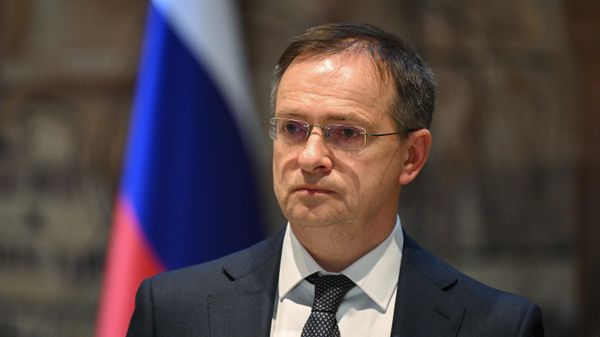
The head of Russia's delegation to trilateral talks in Abu Dhabi, presidential aide Vladimir Medinsky, said on Wednesday that he believes the parties moved closer to peace during the negotiations. The claim was reported by Sputnik, which quoted Medinsky directly. It is an assessment offered by one delegation chief rather than a joint statement, and no text agreed by the parties has been published.
The location and the trilateral format are the only structural details the report establishes. Who the other two parties are, what was on the agenda, how long the talks ran and whether any document was signed are all left unstated in the material available. Medinsky's formulation — that the parties got closer to peace — describes direction of travel rather than an outcome. It implies continued engagement and some narrowing of positions, but it does not amount to a ceasefire, a framework or a binding commitment.
That distinction matters. Delegation heads routinely characterise talks in positive terms to sustain momentum and to signal good faith to mediators and domestic audiences. Such language can be genuine and still fall well short of settlement. Without the other parties' accounts, it is not possible to judge whether they share Medinsky's reading, whether the reported movement is symmetrical, or whether it concerns procedure rather than substance. Nor is it known what, if anything, the parties agreed to do next.
Abu Dhabi's role as host is itself notable, placing the talks in a Gulf capital with a record of convening parties to other conflicts. For now the significance of the round rests on the fact that trilateral talks took place at all and that a senior Russian official chose to describe them in conciliatory terms. Whether that represents a turning point or a procedural step cannot be established from the report. The substance of any movement, and the next round, remain unconfirmed.