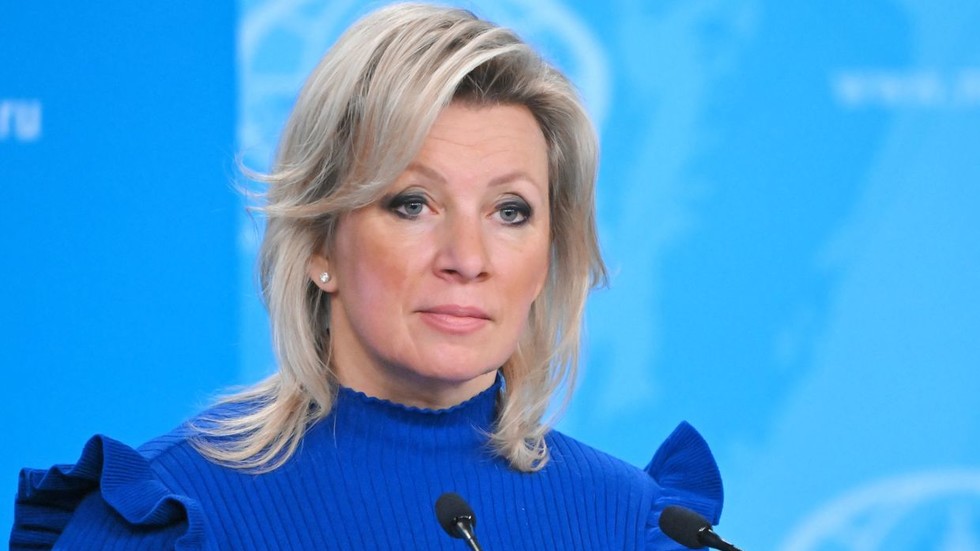
The next visible step is a briefing in Moscow, after which the Russian president is said to decide the course.
Russia's foreign minister has described the three-way talks with the United States and Ukraine in Abu Dhabi as producing relatively positive comments from all sides, while making clear that Moscow's negotiating position will be shaped by the stated goals of its military campaign. According to TASS, Sergey Lavrov told the Russian broadcaster Vesti on Wednesday that the trilateral format was the most justified arrangement under present conditions.
Lavrov said US special presidential envoys Steve Witkoff and Jared Kushner were expected in Moscow on November 12 to brief President Vladimir Putin on the outcome of the two-day talks. Putin, he said, is also receiving regular reports from the head of the Russian delegation, Medinsky, and will determine the next steps on the basis of what he hears from the Americans. The account comes from Lavrov's televised interview as reported by TASS; the substance of the Abu Dhabi discussions has not been made public.
The foreign minister's remarks on Ukraine's delegation were notably split. He said President Volodymyr Zelensky is constantly playing his own games, but that his negotiators appeared focused on the core essence of the talks. That distinction between the political leadership in Kyiv and its negotiating team is a familiar device in Russian commentary, and it leaves open how much weight Moscow attaches to any understanding reached at the table.
The firmer signal was on substance. Lavrov said Russia's stance would be structured so as to achieve the goals of what Moscow calls its special military operation, as formulated by Putin in June 2024 and unchanged since. That formulation anchors the Kremlin's position to maximal objectives rather than to the compromises that a trilateral process would require, and it suggests that any diplomatic opening will be measured against those benchmarks.
What matters here is sequencing. The talks in Abu Dhabi have produced warm words but no published text, no confirmed ceasefire mechanism and no account of what the delegations actually agreed or discussed. The next visible step is a briefing in Moscow, after which the Russian president is said to decide the course. Until that happens, the positive comments attributed to all parties are an indication of tone rather than evidence of a settlement.
Several things are not yet known. The content of the Abu Dhabi talks has not been disclosed, nor is it confirmed what Witkoff and Kushner will carry to Putin, or whether Ukraine and the United States share Lavrov's characterisation of the discussions. Whether the Moscow visit produces a concrete proposal, a further round of talks or no movement at all is unresolved. The trilateral format may be judged most justified by Moscow, but the substance that format produces remains to be defined.