The charge that Europe is buying time implies that Russia sees Western proposals as a mechanism to resupply and reconstitute Ukrainian forces.
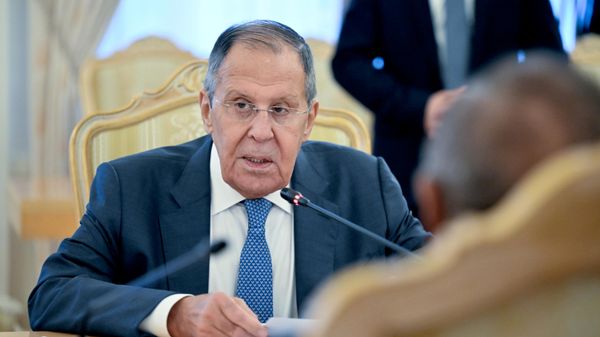
Russia will not simply agree to a ceasefire in the Ukrainian conflict, Foreign Minister Sergey Lavrov said on Tuesday, according to Sputnik. In remarks reported by the Moscow-based outlet, Lavrov framed the refusal around European diplomacy, saying that the Europeans are trying to buy Ukraine time. The statement places Moscow's position squarely against a truce on terms it has not accepted.
The claim is reported by a single Russian state-aligned outlet, and the summary gives no detail on what conditions Russia would attach to any halt in fighting, nor which European proposals or capitals Lavrov had in mind. It is not known whether the remarks were made at a press conference, in an interview or in another setting, and no direct quotation beyond the paraphrase is available. The timing, roughly four and a half years into the full-scale war, suggests the comments are aimed at shaping the diplomatic debate rather than announcing a new initiative.
Read narrowly, the intervention matters because it signals that Moscow intends to treat any ceasefire as a bargaining stage rather than an endpoint. The charge that Europe is buying time implies that Russia sees Western proposals as a mechanism to resupply and reconstitute Ukrainian forces, and that it will demand assurances against that before agreeing to stop. For European governments, the remark is a reminder that truce diplomacy is unlikely to advance without addressing Russian conditions directly.
What is not yet known is substantial. The summary offers no indication of whether Lavrov was responding to a specific plan, whether the United States was mentioned, or whether Russia has set out formal terms. Nor is there any confirmation of how European officials would respond to the characterisation. Until fuller transcripts or official statements emerge, the remarks should be treated as a signal of posture rather than a definitive negotiating position, and readers should weigh the single-source reporting accordingly.