It's pretty obvious that there are all sorts of people making all sorts of comments.
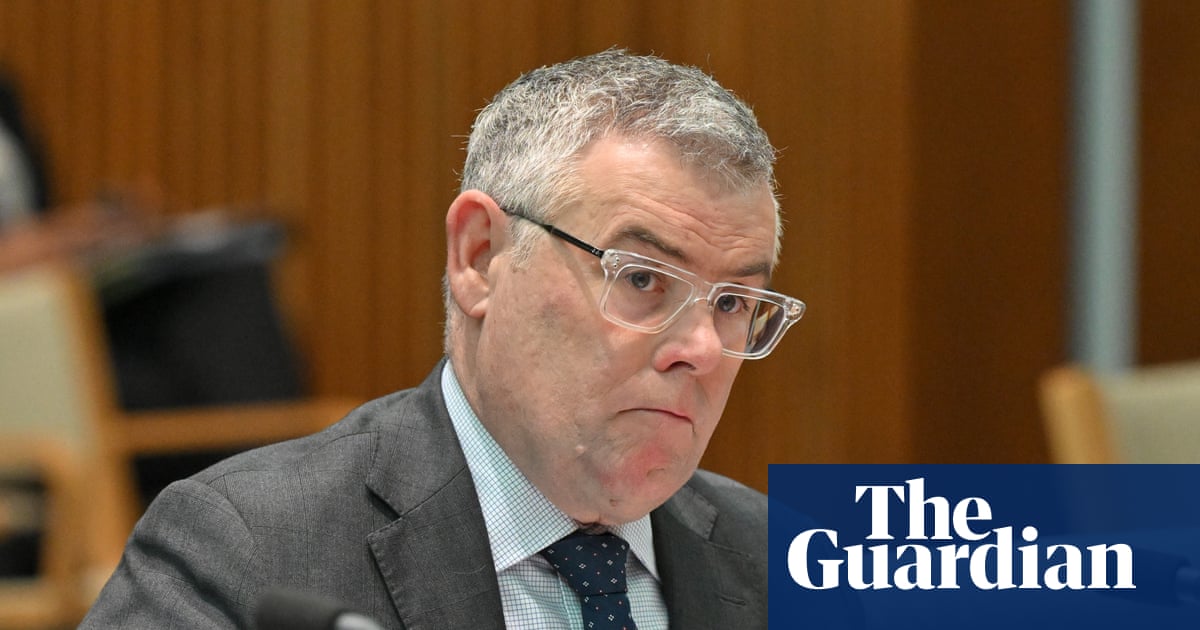
Australia's environment minister, Murray Watt, has publicly urged his colleagues to stop undermining the treasurer, Jim Chalmers, as the Labor government struggles to sell its budget and considers trimming popular clean energy subsidies to help in the fight against inflation. According to The Guardian, cabinet ministers met again on Monday to discuss potential budget savings to be included in next month's mid-year update, part of efforts to reduce spending and ease pressure on the economy.
Asked about speculation of tension between Chalmers and the prime minister, Anthony Albanese, and whether he would like to see an end to "undermining and leaking" against the treasurer, Watt replied: "Yes, I would." He said he took seriously the responsibility to work together to support government policies and to support each other in what he described as very difficult times, adding that Chalmers was doing an excellent job and that many features affecting the economy were outside any treasurer's control. Watt conceded the treasurer was being undermined from within Labor: "It's pretty obvious that there are all sorts of people making all sorts of comments."
The intervention came as a new round of opinion polls added to Labor's political pain. The Guardian reports that the Resolve Political Monitor, published in the Age and Sydney Morning Herald, showed Labor's primary vote falling to 28 percentage points, down from 34.6% at last year's election. The Coalition also dropped one point to 22%, while One Nation was steady at 25%. A Redbridge poll in the Financial Review showed Labor's primary vote slipping two points to 26%, the Coalition jumping four points to 25%, and One Nation down one point to 28%.
Monday's meeting of the expenditure review committee of cabinet followed last week's interest rate hike from the Reserve Bank. The governor, Michele Bullock, said that while it is up to governments to manage their budgets independently of the central bank, public and private spending had caused "excess demand" in the economy. Watt accused the Coalition and minor parties of leaving existing spending proposals to linger in parliament, including savings from changes to the private health insurance rebate for the over-65s, saying the Coalition was blocking the government from saving $10 billion in measures before the parliament.
Albanese has confirmed that public service spending will be scrutinised as the government looks for savings in the budget update, expected in the middle of December. According to the report, departments and agencies were last year asked to identify potential savings of as much as 5% from their annual budgets. Spending on Labor's $7bn home battery subsidy programme and incentives for electric vehicle purchases could be reined in. The batteries programme, announced in April 2025, was originally designed to cost about $2bn; more than 600,000 systems have been installed, but means testing rules could be added. Separately, electric vehicle subsidies have cost the budget far more than originally anticipated. Angus Taylor also announced an opposition "red tape razor gang" on Monday, designed to reduce the burden on business from costly regulation.
What remains unclear is the scale and final composition of the savings under consideration, and whether the subsidy changes will survive cabinet and parliamentary scrutiny. The report does not confirm the identity of those said to be undermining Chalmers, nor the substance of any tension between the treasurer and the prime minister. The polls are snapshots rather than forecasts, and the government has not said how it will reconcile fiscal restraint with the political cost of trimming measures that have proved popular.