The practical effect is that construction may resume while litigation continues, and the ruling turns less on the merits of the wall than on how narrowly Congress has drawn the courts' role in border-barrier disputes.
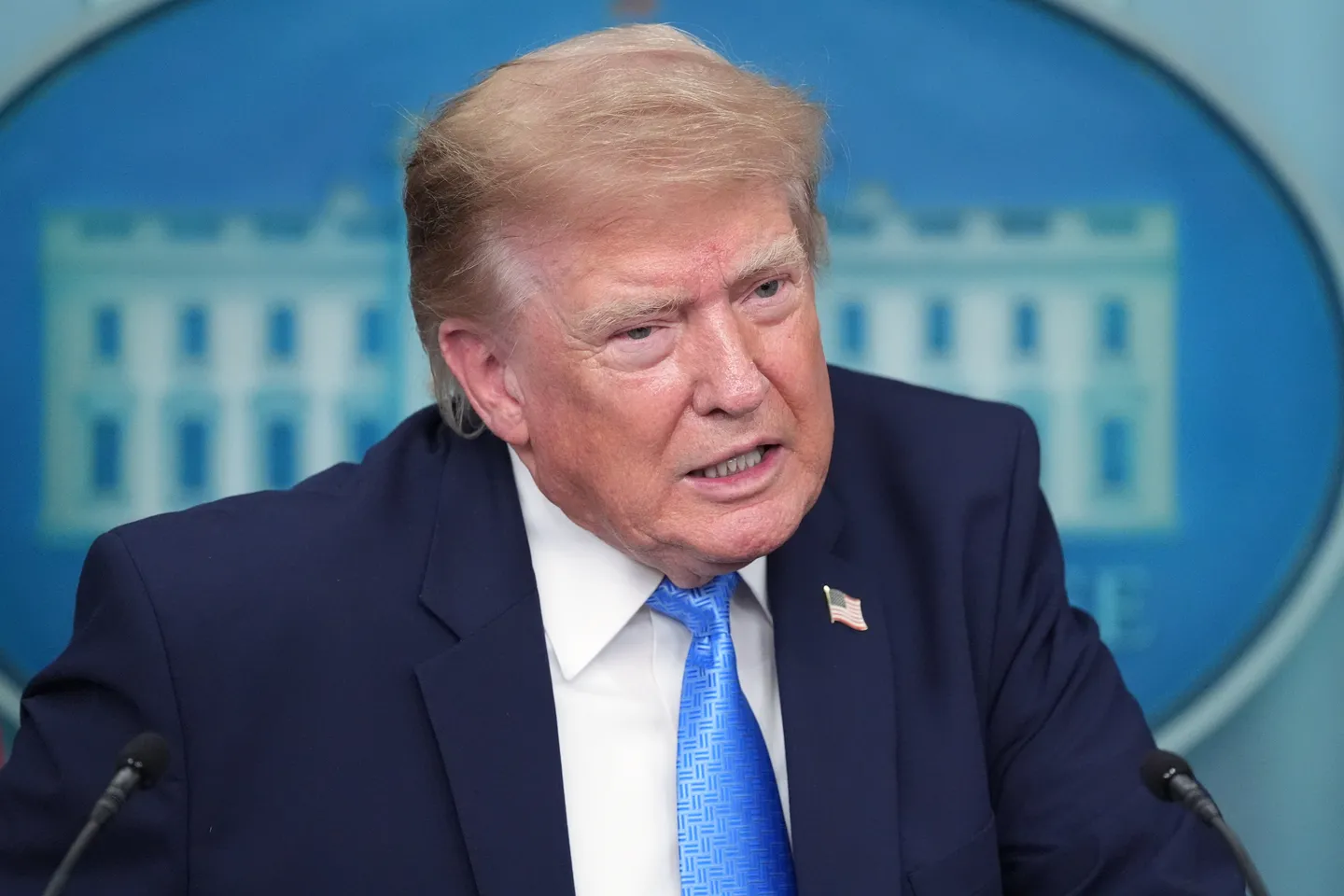
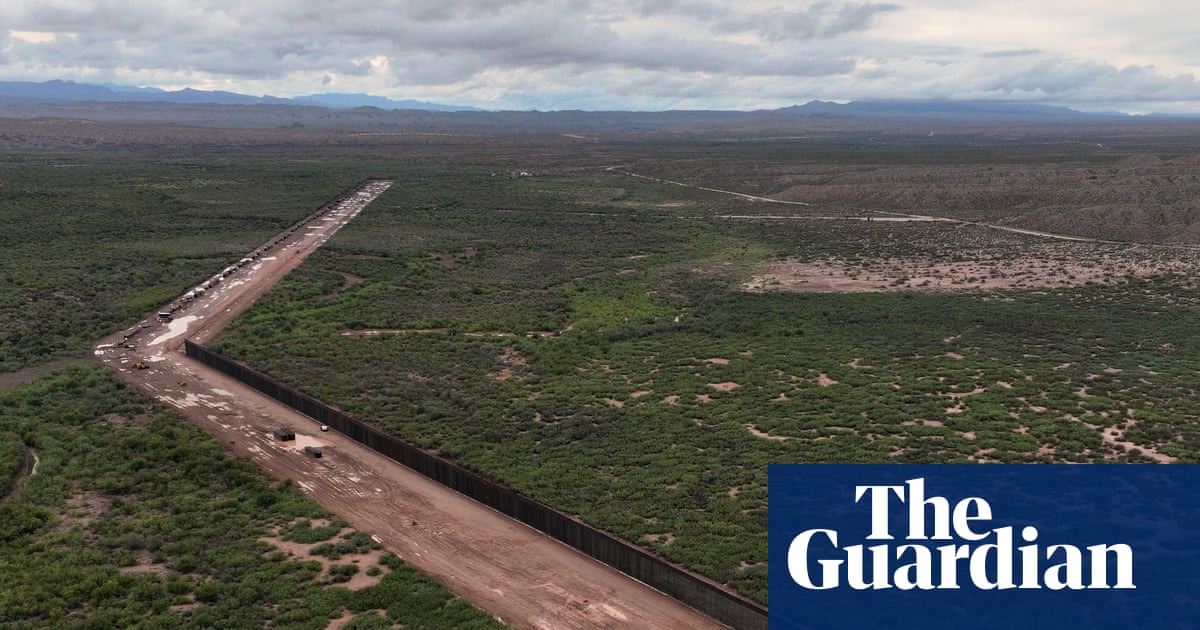
The United States Supreme Court has allowed President Donald Trump's administration to build a border wall through a remote section of Big Bend National Park in West Texas, according to Al Jazeera. In a decision on Monday, the court granted the government's emergency request to lift a lower court's injunction that had paused construction while the matter was litigated. The injunction, the court said, "impedes the Government from advancing its 'compelling interests' in border security and integrity".
The barrier has long been a signature part of Trump's platform to restrict immigration into the United States; during his 2016 campaign he rallied supporters with chants of "Build the wall!". The push to extend it through the popular national park has drawn pushback from conservationists, local officials and some members of Trump's own Republican Party. Big Bend includes mountain ranges and desert that serve as habitat for endangered species such as the Mexican long-nosed bat, and opponents say construction would disrupt an ecologically and culturally significant landscape.
The administration has depicted the project as an urgent national security and immigration-control priority, describing the Big Bend area as an artery for irregular border crossings and drug trafficking. That characterisation was contested below. US District Judge Kathleen Cardone blocked construction in October, noting that while the Big Bend sector makes up more than 25 percent of the US-Mexico border, it accounts for only 0.3 to 2.2 percent of migrant apprehensions. "Therefore, if the Big Bend Sector is an area of high illegal entry, so is every other sector, and the waiver authority would apply to the entire US-Mexico border," Cardone wrote.
The Supreme Court did not adopt that reasoning. It said the government was "exceedingly likely to prevail" on its argument that Cardone lacked jurisdiction under the 1996 Illegal Immigration Reform and Immigrant Responsibility Act, which limits the ability of lower courts to rule on border barriers. Under that law, district courts can hear only claims alleging a violation of the US Constitution, and the court found the challengers' claim did not qualify, writing that "there is no such thing as a 'constitutional' major-questions claim". Justice Ketanji Brown Jackson was the only justice to indicate she would have denied the request; she gave no reasoning.
The practical effect is that construction may resume while litigation continues, and the ruling turns less on the merits of the wall than on how narrowly Congress has drawn the courts' role in border-barrier disputes. The Center for Biological Diversity, Friends of the Ruidosa Church, and a local river guide and landowner brought the suit against the Department of Homeland Security, challenging waivers used to fast-track construction and sidestep environmental and conservation laws. Without those waivers, the plaintiffs argued, the project would have to comply with the Endangered Species Act, the National Environmental Policy Act and the National Historic Preservation Act.
What is not yet known is the scope and timetable of construction, whether further legal challenges can survive the jurisdictional bar, and how the ruling will affect other pending border-barrier cases. The decision was issued as an emergency order rather than a full merits ruling, and the underlying litigation is not described as concluded.