The mechanics matter as much as the allegations.
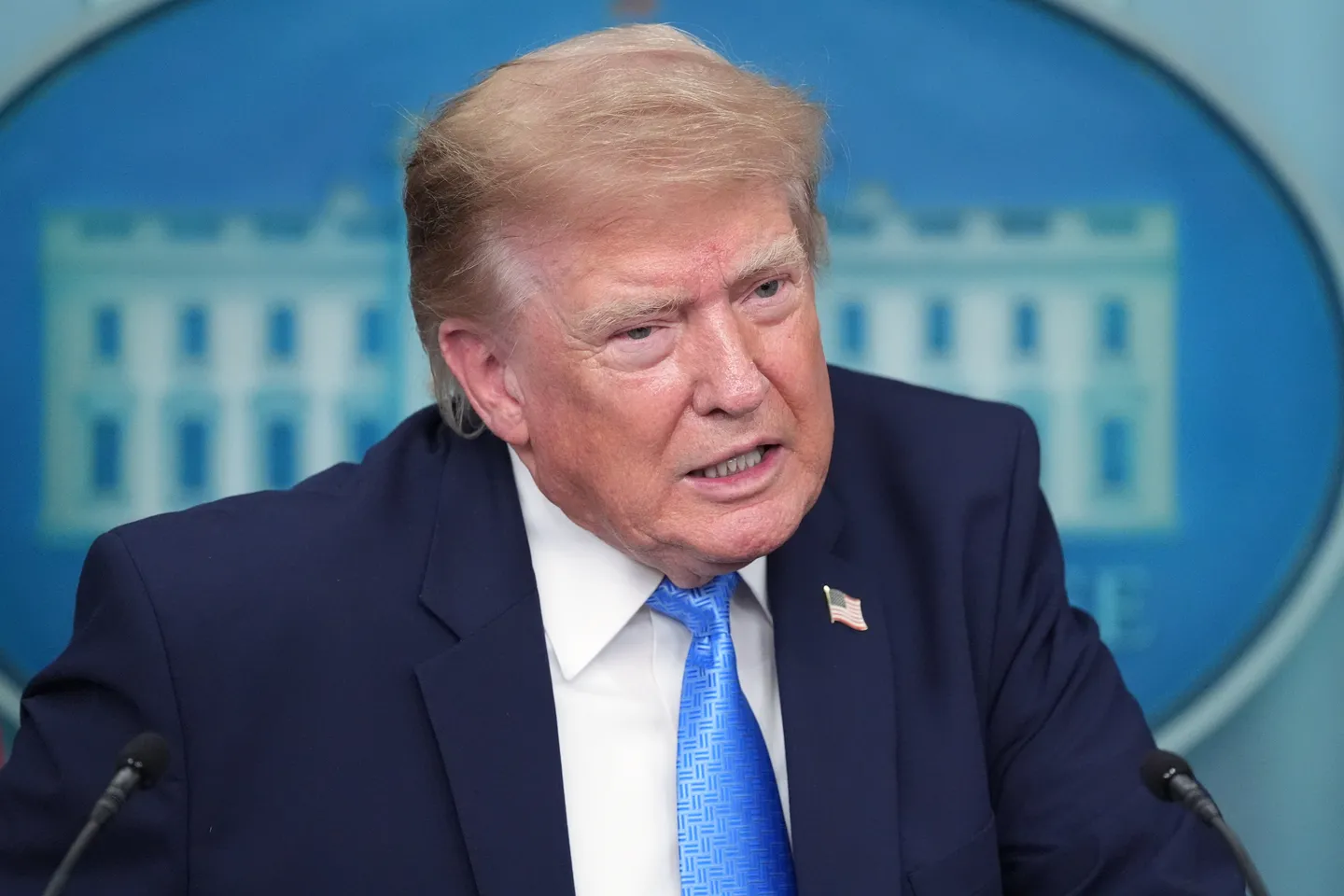
An impeachment effort against a sitting defence secretary, launched by a member of the president's own party, has drawn an immediate and unambiguous response from the White House. According to TRT World, President Donald Trump declared that Pete Hegseth had done a "good job" and had "won" wars in Venezuela and Iran, telling a press briefing: "Yeah, I'll stand by him... He won two wars. He was in charge." The president also attacked Representative Thomas Massie, who introduced the resolution, calling him a "stone-cold loser" who should not be taking up the time of Congress.
The mechanics matter as much as the allegations. Massie filed a privileged resolution on Monday, which under House rules obliges Republican leadership to schedule a floor vote within two legislative days unless a procedural motion blocks it. The resolution runs to eight articles and seeks not only Hegseth's removal but his permanent disqualification from federal office. The first three articles accuse him of violating the War Powers Resolution of 1973 through unauthorised operations in Iran and by ignoring congressional withdrawal mandates.
The remaining charges are graver still. The fourth article alleges that civilian safeguards were degraded, citing a US strike on the Shajarah Tayyebeh Elementary School in Minab, Iran, which the resolution says killed upwards of 150 civilians, including roughly 120 girls aged twelve and younger. Further articles cite strikes on suspected drug vessels in the Caribbean and eastern Pacific that killed at least 243 people, retaliation against Senator Mark Kelly over lawful military speech, an unauthorised January assault in Venezuela that captured President Nicolas Maduro at the cost of 83 lives, and Operation Rough Rider in Yemen, involving over 1,100 strikes.
Hegseth has dismissed the effort, saying: "We're not worried about impeachment. We're going to do a press conference tomorrow morning on that topic." House Democratic Minority Leader Hakeem Jeffries has endorsed the initiative, confirming he remains a "hard yes" on backing the resolution. That endorsement gives the effort a partisan shape it did not initially have, even as its origin lies with a Republican critic of the administration.
What is not yet known is decisive. The report does not say whether Republican leadership will allow the vote or move to table the resolution, nor how many members of either party would support it. The truth of the underlying allegations, including casualty figures and the legal characterisation of the operations, is contested only in the sense that the article reports the resolution's claims without independent confirmation. Whether this becomes a constitutional confrontation or a brief procedural flare will depend on arithmetic in the House that the reporting does not supply.