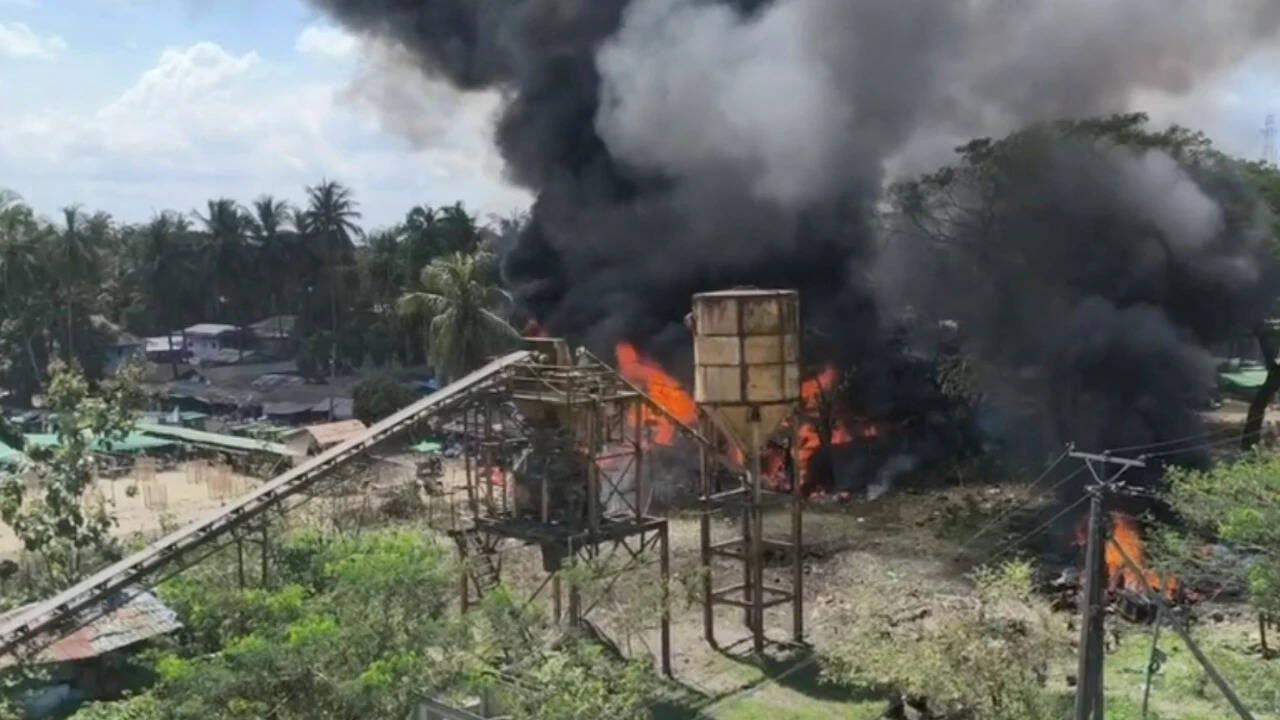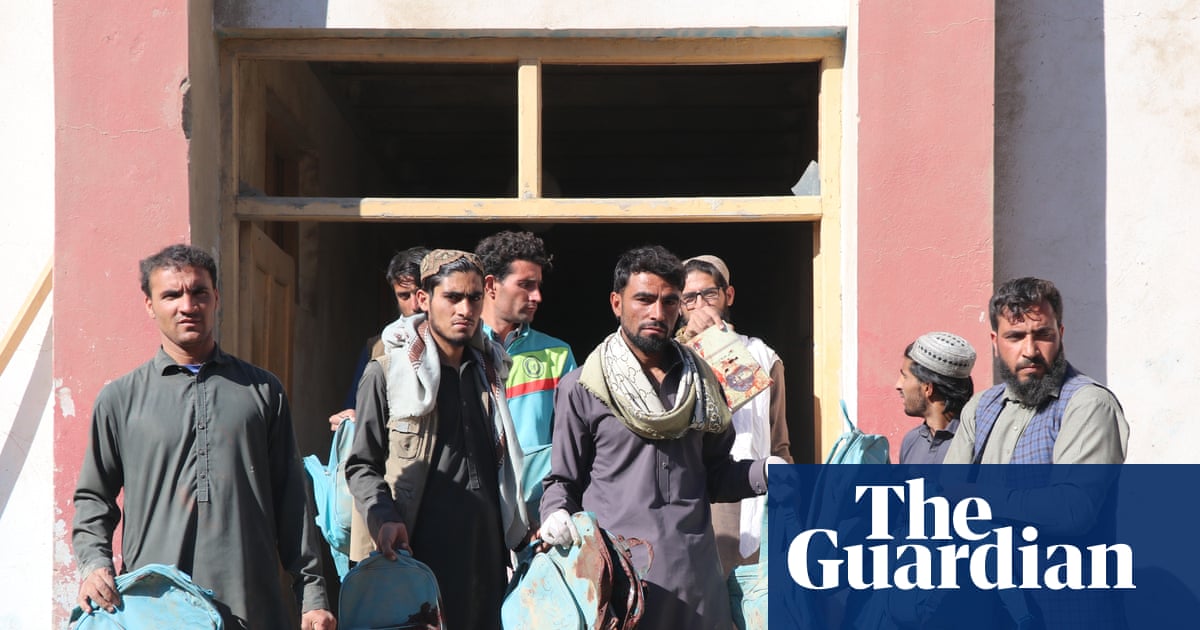
If the official account is correct, the deaths in Kunar are the product of regulatory failure and poor site management rather than a targeted attack.
An explosion at a primary and middle school on the outskirts of Asadabad, the capital of Afghanistan's eastern Kunar province, killed 10 people and wounded 110 on Saturday, according to officials quoted by The Guardian. Most of the victims were children. Footage from a hospital ward showed injured young children, several with bandaged heads and some lying two to a bed.
Sami ul Haq Bayan, Kunar's culture and information director, said initial information indicated the blast happened because of negligence at a depot storing explosives belonging to mining companies next to the school. An investigation was under way, he said. The interior ministry's spokesperson, Abdul Mateen Qani, put the death toll at 10 and the number of wounded at 110.
A resident whose home is next door to the school described the immediate aftermath. Noor Rahman said he heard the explosion and saw dust rising. "I ran straight into the dust, our own children were there," he said. "I entered one of the rooms, where there was screaming and shouting. I saw the hand of my niece, she was moving it. I rushed in, cleared away the bricks, and managed to pull her out, along with other injured (people)."
The reported link to a mining depot places the incident within a wider pattern of civilian risk in Afghanistan. The storage of commercial explosives near populated areas, including schools, creates hazards that do not depend on the intentions of any armed group. If the official account is correct, the deaths in Kunar are the product of regulatory failure and poor site management rather than a targeted attack. That distinction matters for how the incident is understood and for what an effective response would look like.
What is not yet known is considerable. The precise cause of the explosion has not been confirmed, and the investigation announced by local officials has not reported its findings. It is not clear which mining companies operated the depot, what quantity or type of explosives was stored there, whether the site had any permit or oversight, or whether warnings had previously been raised. The identities of the dead and wounded have not been released, and the final casualty figures may change as treatment continues and debris is cleared.
The incident also raises questions about the oversight of Afghanistan's mining sector, which has attracted interest from foreign investors and domestic operators since the Taliban's return to power. The Guardian report does not establish who, if anyone, is responsible for inspecting such depots or whether any enforcement action has followed previous incidents. Until the investigation reports, the Kunar blast stands as a reminder that in conflict-affected countries the most lethal dangers are often mundane: a store of commercial explosives, placed too close to a classroom, and left unmanaged.