Armour crossing it, even for a stated tactical purpose, tests whether that geography holds.
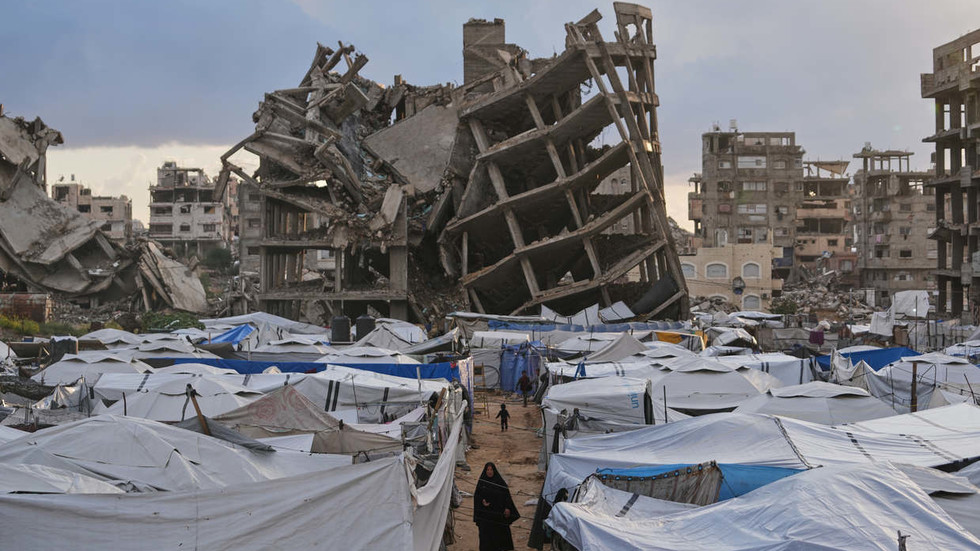
Israeli armoured vehicles crossed the so-called Yellow Line into central Gaza on Wednesday, the first such advance since last year's ceasefire, according to RT. The tanks moved along the Salah al-Din road, the territory's main north-south artery, as hundreds of Palestinians fled their shelters. An AFP journalist cited in the report witnessed Israeli tanks taking positions east of the Nuseirat refugee camp, while local sources described heavy artillery shelling, gunfire and airstrikes.
The Israel Defense Forces confirmed the operation, saying troops and Shin Bet intelligence personnel were attempting to dismantle a tunnel west of the Yellow Line that allegedly posed an immediate threat to Israeli soldiers. The line marks the boundary of Israeli military deployment under the ceasefire arrangements, so operating beyond it takes Israeli forces into territory outside that agreed deployment zone. Residents around Nuseirat and Bureij reportedly received evacuation instructions, and part of the Salah al-Din road was closed.
At least three Palestinians were killed in separate Israeli airstrikes on Wednesday, according to local medical officials quoted in the report. Hamas condemned the ground operation as a "flagrant violation" of the US-brokered ceasefire, accusing Israel of reneging on its commitments. These casualty figures and characterisations come from Palestinian sources and have not been independently verified in the material available.
The timing is notable. The incursion coincided with a visit by Admiral Brad Cooper, commander of US Central Command, who met IDF Chief of Staff Lieutenant General Eyal Zamir and Mossad director Roman Gofman at Israeli military headquarters in Tel Aviv. Washington is the principal broker of the ceasefire, and the presence of its senior regional commander in Israel at the moment of the crossing gives the operation a diplomatic dimension that the military facts alone do not capture.
What remains unclear is the operation's intended scale. The IDF frames it as a targeted action against a specific tunnel, not a resumption of full-scale war, but the deployment of tanks and the displacement of civilians around Nuseirat suggest the practical effects could be wider than that framing implies. Whether the ceasefire mechanism can absorb such an incursion without further escalation is not yet known. Nor is it confirmed how the US delegation responded in its talks, or whether Hamas intends any response beyond condemnation. The report offers no account of casualties among Israeli forces, and no independent confirmation of the tunnel's existence or the threat it is said to pose.
The Yellow Line was meant to separate armed forces and give the truce a physical geography. Armour crossing it, even for a stated tactical purpose, tests whether that geography holds. For now the evidence points to a limited operation conducted under a broad political gamble, with the ceasefire's durability the open question.