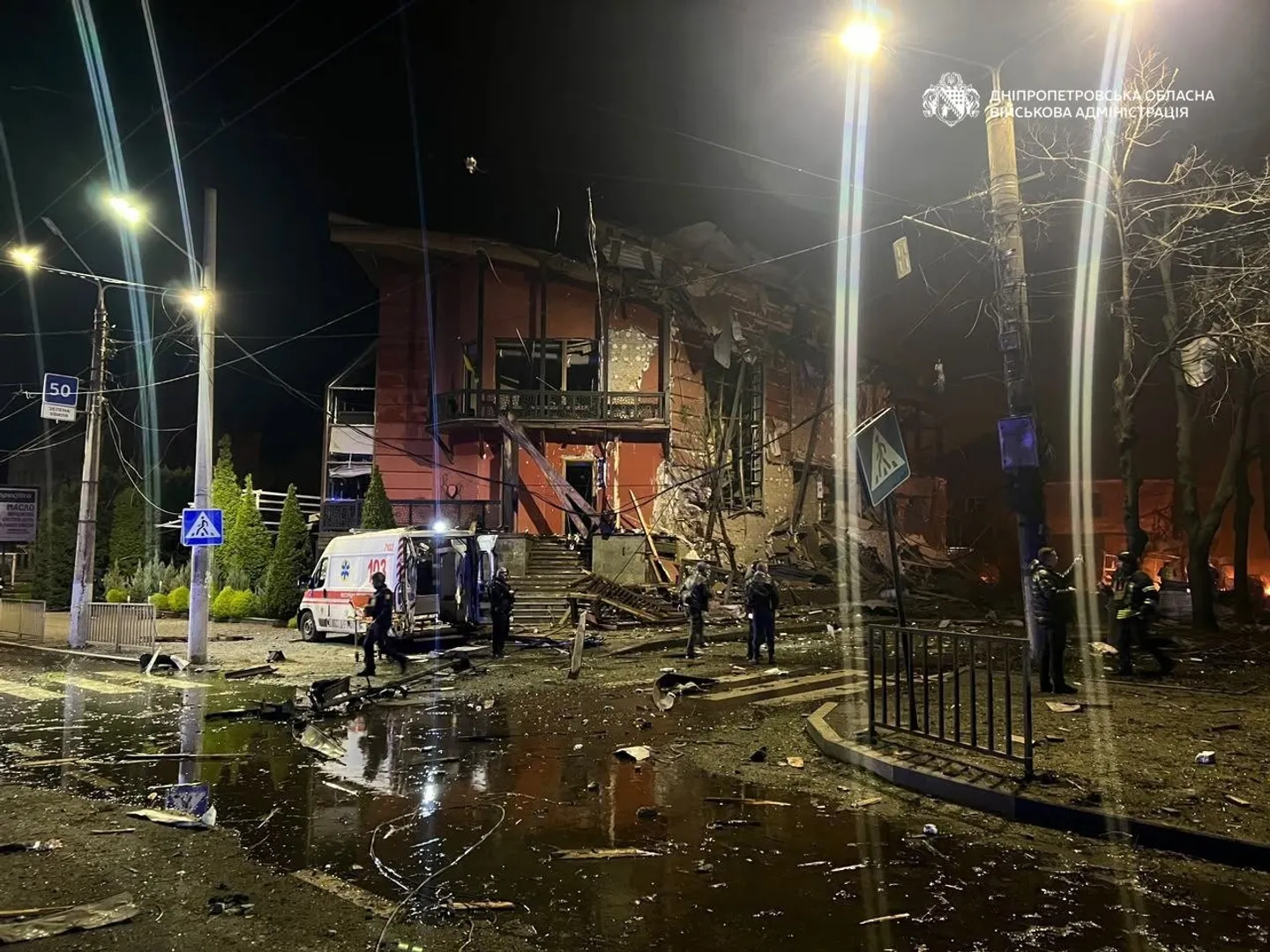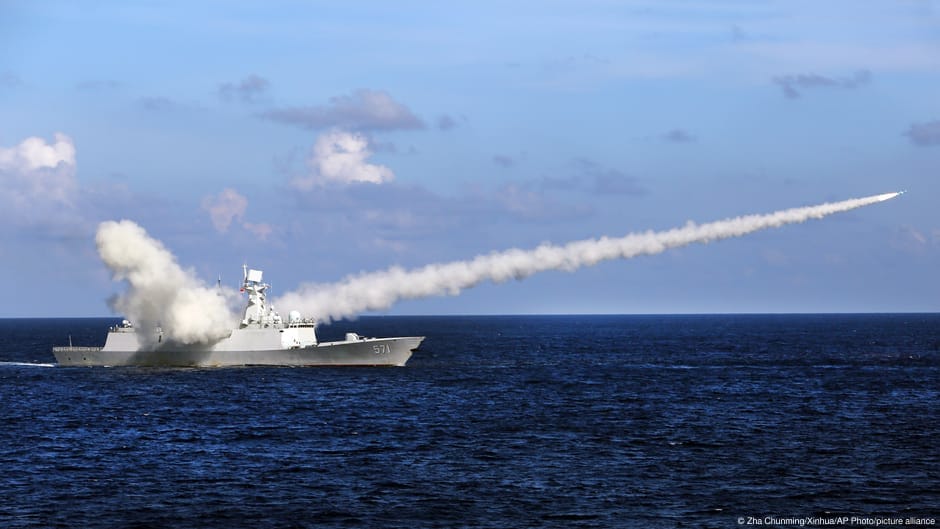
By declaring civilian infrastructure adjacent to military sites to be legitimate targets, a senior Iranian official is adopting the contested concept of dual-use facilities and turning it back on the United States and Israel.
Iran's parliament speaker, Mohammad Bagher Ghalibaf, has said Tehran will treat any dam, port or power plant in the vicinity of US and Israeli bases as a military target, according to a report by the Russian state news agency TASS. Writing on X, Ghalibaf framed the position as a direct mirror of American reasoning about Iranian civilian infrastructure, stating that any such facility near a US or Israeli base is "dual-use" and that Iran would "apply your logic consistently and even-handedly."
The remarks, carried by TASS from Tehran on 17 November, were presented as a response to a New York Times article published the same week. According to TASS, that report cited experts suggesting Iran's extensive network of dams and aqueducts may have been built in part to support underground missile bases, because the locations of these facilities coincide with areas targeted by US and Israeli strikes this year. Ghalibaf also accused Washington of preparing a fresh round of attacks on civilian infrastructure inside Iran.
The significance lies less in any new operational threat than in the doctrinal ground being staked out. By declaring civilian infrastructure adjacent to military sites to be legitimate targets, a senior Iranian official is adopting the contested concept of dual-use facilities and turning it back on the United States and Israel. The move appears calculated to raise the political cost of any future strikes on Iranian water and power systems, and to establish a public basis for retaliation should such strikes occur. It also places civilian infrastructure squarely within the exchange of threats, a category of target that international humanitarian law treats with considerable care.
What remains unconfirmed is substantial. The claim that the United States is preparing new attacks on Iranian civilian infrastructure rests on Ghalibaf's assertion alone; TASS offers no corroboration, and no US response is quoted. The New York Times material is described only second-hand, as expert speculation about the purpose of Iran's dams and aqueducts, not as a finding of fact. Nor is it clear which specific facilities Iranian officials have in mind, whether the statement reflects a settled policy or a rhetorical posture, or how it might be acted upon. No timeline, no operational detail and no official military confirmation accompany the remarks.
The intervention nonetheless matters because it widens the definition of the battlefield in public, at a moment when the physical vulnerability of water and power systems across the region is already exposed. Infrastructure that serves civilian populations is difficult to protect and expensive to rebuild; once both sides describe it as fair game, the space for restraint narrows. For now the statement is a threat and a framing device rather than a documented change in targeting. Whether it hardens into policy will depend on developments the source material does not describe.