An F-16 is a front-line American airframe, and an Iranian assertion of having hit one over the Gulf describes a direct military engagement between the two countries rather than a proxy exchange or a war of words.
Iran's army says one of its domestically produced air defence systems damaged a United States F-16 fighter jet over the Persian Gulf on Friday evening, forcing the pilot to abort the mission and land at a nearby airfield. The claim was carried by the army's press service and quoted by Iran's state broadcaster, and reported by TASS.
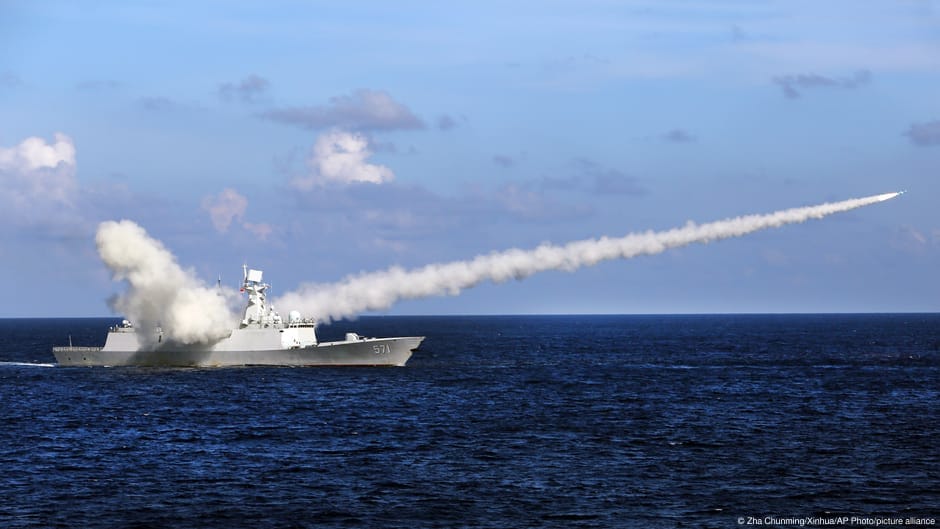
According to the statement, a missile detonated in close proximity to the aircraft, which the Iranian military described as a "US aggressor fighter jet". The systems involved, Tehran says, were deployed in the south of the country and operated within its integrated air defence network, which detected the aircraft and fired at it.
The account is a single-source claim. No confirmation has come from the United States or from any coalition partner, and the nationality, mission and condition of the aircraft rest for now on Iranian official statements alone. The location of the emergency landing has not been disclosed, nor has the extent of the damage, the type of missile fired or whether the jet was crewed by a single pilot. Whether any aircraft was struck at all is not independently established.
The significance lies less in the physical damage than in the claim itself. An F-16 is a front-line American airframe, and an Iranian assertion of having hit one over the Gulf describes a direct military engagement between the two countries rather than a proxy exchange or a war of words. If corroborated, it would mark an escalation in a confrontation that has until now been conducted largely through intermediaries, sanctions and maritime incidents. If not, it is a signal of intent aimed as much at domestic audiences in Iran as at Washington.
The Gulf is the world's most important oil transit corridor, and any incident involving military aircraft in its airspace carries immediate implications for shipping, insurance and energy markets, even before facts are settled. Iran's emphasis on domestically produced systems operating under a unified command is also a deliberate message about the maturity of its air defences.
What happens next depends on what the United States says. A confirmed strike would demand a response; a denial would leave Tehran's credibility exposed. Until then, the episode should be treated as an unverified claim from one side of a dangerous standoff, and the absence of independent confirmation is itself the most important fact.