The gap between Iranian assertions and American denials is itself the story: in the absence of independent verification, each side's account serves its own narrative of capability and restraint.
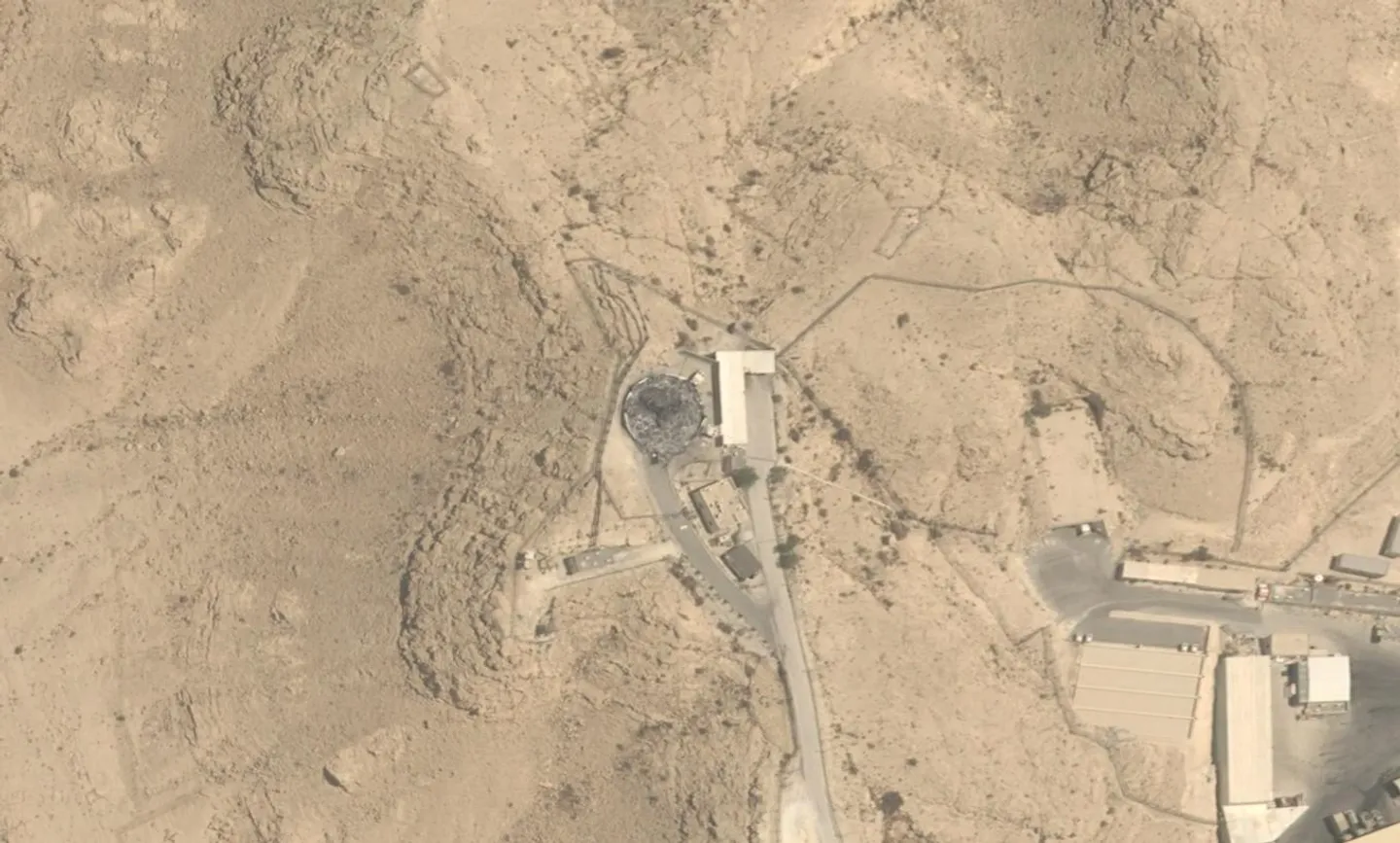
Iran's Revolutionary Guard Corps said on Tuesday that its combat drones carried out a "precision operation" against a US military radar system at Sheikh Isa Air Base in Bahrain, according to a statement broadcast on the state broadcaster IRIB and reported by TRT World. The force described the early-morning strike as retaliation for repeated US military drone incursions into Iranian airspace, warning that further violations and the use of regional bases to attack Iran "will not go unanswered".
There was no immediate confirmation from US or Bahraini authorities of the claimed strike or of any resulting damage. Bahrain's interior ministry did issue a security alert on Tuesday, urging citizens and residents to remain calm, move to the nearest safe location and follow updates through official channels. It did not specify the nature or source of the potential threat. The warning followed similar alerts on Sunday, when Bahrain said its air defences had intercepted several Iranian aerial attacks before they reached their targets.
The claim fits a pattern of competing accounts. The IRGC said on Sunday that it had launched six drones at a US air defence radar system at the Al-Riffa helicopter base in Bahrain, which hosts American forces. On Friday it claimed to have attacked a US early-warning radar installation in the country. US Central Command rejected that claim, saying American forces had shot down two Iranian attack drones without injuries or damage. The gap between Iranian assertions and American denials is itself the story: in the absence of independent verification, each side's account serves its own narrative of capability and restraint.
Bahrain hosts the US Navy's Fifth Fleet, which makes it a conspicuous target in any exchange between Washington and Tehran. The kingdom has faced renewed security concerns as tensions escalate, and the repeated alerts suggest Manama is treating the threat as live rather than rhetorical. What remains unconfirmed is whether any radar system was actually struck, what damage resulted, and whether the drones were intercepted. Until US or Bahraini officials respond on the record, the operational picture stays opaque.
Separately, Iranian Parliament Speaker Mohammad Bagher Ghalibaf warned on Tuesday that Tehran would retaliate if the US or Israel targeted Iranian civilian infrastructure. In a post on X, he criticised arguments that civilian facilities could be considered military targets because of their proximity to military installations, referring to a New York Times report. "New rule: Any dam, port, or power plant near a US or Israeli base is dual-use," he wrote. The newspaper reported on Monday that experts had identified geographic overlaps between parts of Iran's dam network and areas targeted by US and Israeli strikes on suspected underground missile facilities, while stressing that any direct connection remained speculative and that many dams serve essential civilian purposes.
Taken together, the claims point to a widening contest over what counts as a legitimate target. Iran is signalling that it will answer strikes on its infrastructure in kind, and it is using the ambiguity around dual-use facilities to pre-empt the argument. The immediate facts of Tuesday's reported strike are not established. What is clear is that the Gulf's airspace and the bases within it have become the arena for a tit-for-tat whose verification lags well behind its rhetoric.