The two Arab-led parties, which together control a record 19 seats, therefore hold the balance of power.
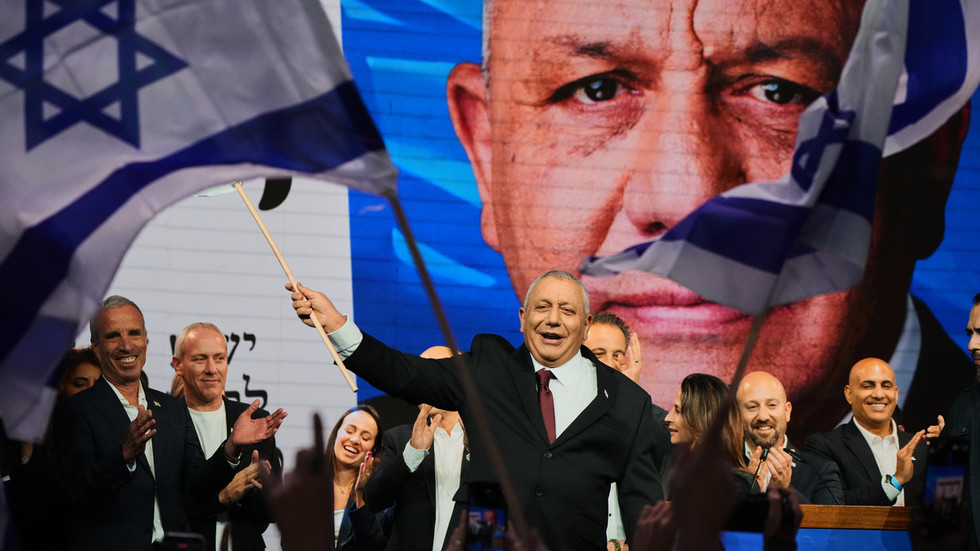
Israel's president, Isaac Herzog, has announced that he will task the opposition leader, Gadi Eisenkot, with forming the country's next government, according to RT. The decision, conveyed to both Eisenkot and Prime Minister Benjamin Netanyahu on Saturday, follows last month's inconclusive parliamentary elections and marks a significant political setback for the incumbent.
Eisenkot, a former military chief who heads the centrist Yashar party, will have 28 days to assemble a coalition, with a possible two-week extension. The arithmetic that produced the mandate is striking. During consultations earlier this week, Eisenkot secured the backing of 67 lawmakers in the 120-seat Knesset, against just 46 who recommended Netanyahu, the report says. That margin gives the mandate an air of authority that the raw seat count does not.
Netanyahu's Likud emerged as the largest single party in the October 27 election, yet his right-wing and religious bloc secured only 53 seats, short of the 61 required for a majority. Eisenkot's four-party opposition alliance won just 48 seats. The two Arab-led parties, which together control a record 19 seats, therefore hold the balance of power. That is the central fact of this political moment: neither bloc can govern without accounting for a constituency that has historically sat outside the coalition game.
The endorsements do not guarantee that Eisenkot can assemble a functioning government. Recommendations in presidential consultations are a signal of intent, not a coalition agreement, and the gap between the two is where Israeli governments are usually made or lost. The four parties behind Eisenkot span a range of positions, and the Arab-led parties that tipped the numbers have their own conditions. Whether those conditions can be met, and whether the alliance can hold together through 28 days of bargaining, is not yet known.
What the report does not establish is equally important. There is no detail on the terms Eisenkot has offered, the portfolios under discussion, or the stance of the Arab-led parties on joining or merely supporting a government. Nor is it confirmed how Netanyahu's bloc will respond, or whether the outgoing prime minister's legal and political position shapes the negotiations. Those questions will determine whether Saturday's announcement becomes a government or merely a prolonged crisis.
The immediate implication is that the longest-serving figure in Israeli politics has lost control of the formation process. Likud's plurality has been converted into a minority bloc, and the mandate has passed to a rival whose alliance is smaller still. The next four weeks will test whether Israeli coalition politics can accommodate the Arab-led parties as kingmakers rather than spectators. On the evidence available, the answer is unresolved.