Once retaliation becomes the expected response, the space for de-escalation narrows, and miscalculation becomes the dominant risk.
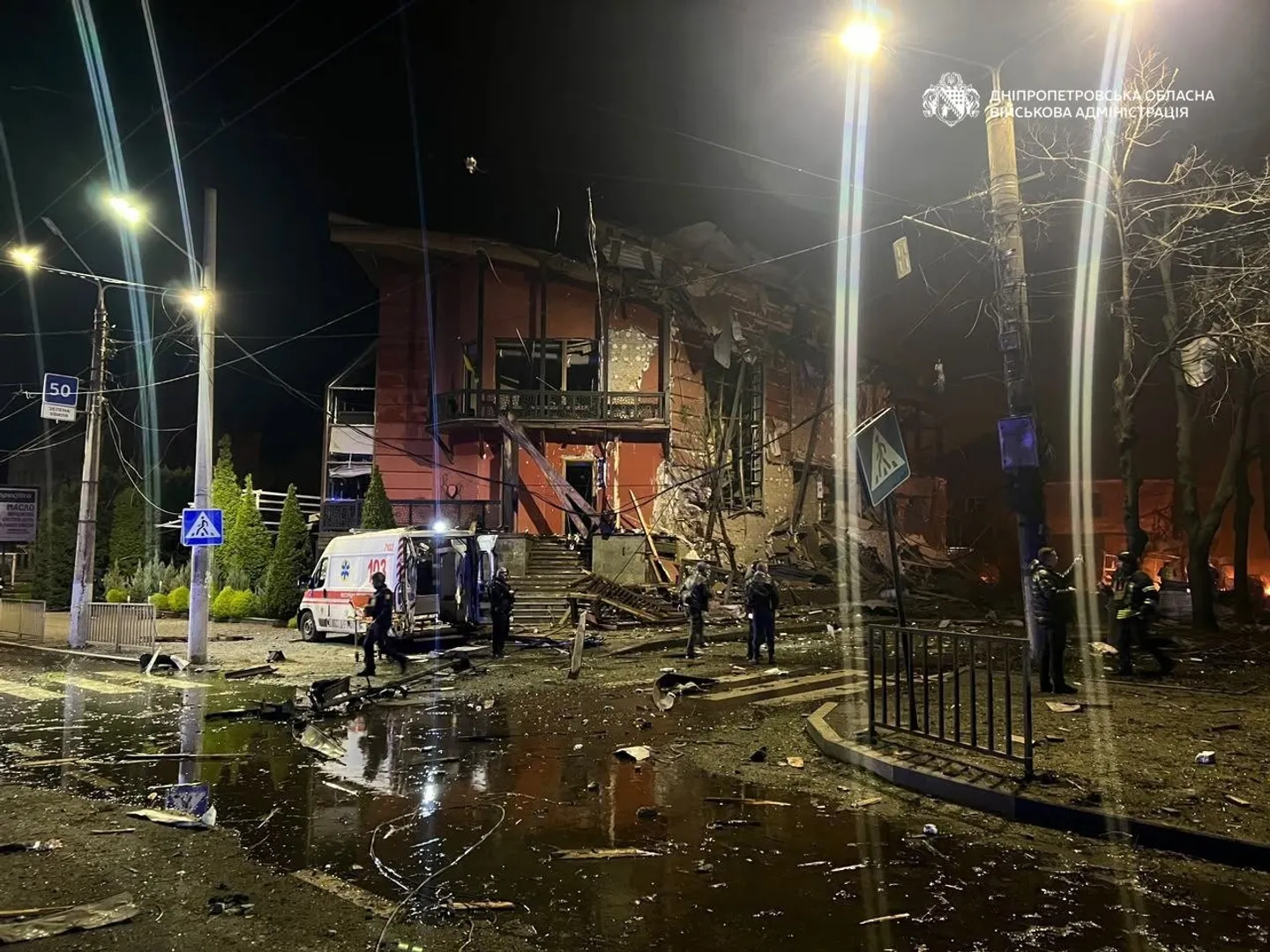
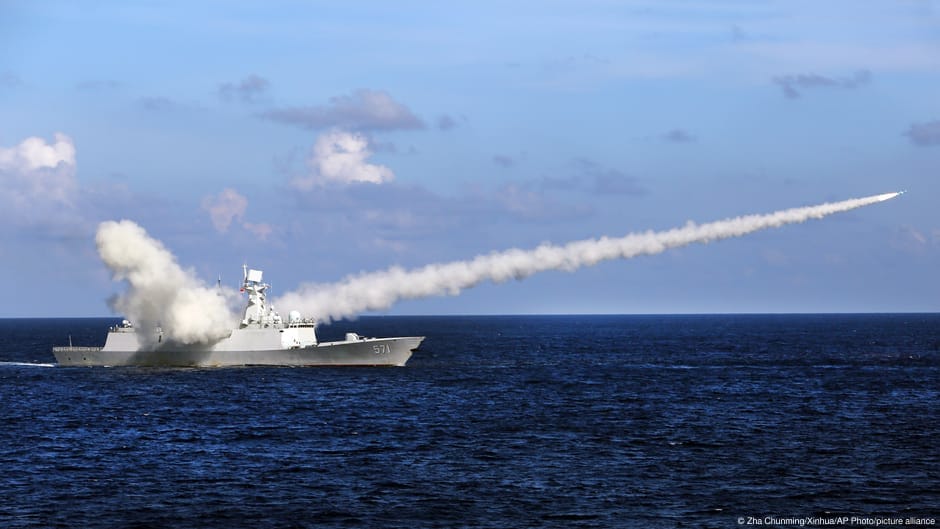
Iran and the United States have edged closer to a full-scale confrontation after a week of tit-for-tat escalation, according to the Financial Times. Analysts quoted by the paper warn that the cycle of retaliation has brought the two countries to a point of danger not seen in recent years. The report frames the flare-up as a return to the kind of direct confrontation that both sides have spent years trying to avoid.
What is known is limited to the broad shape of the week: reciprocal action by both sides, and a growing sense among analysts that the situation is deteriorating. The FT does not, in the material available, specify the targets, the casualties, the weapons used or the precise sequence of events. Nor does it identify which analysts were consulted or where their assessments were published. Those gaps matter. In a confrontation of this kind, the difference between a symbolic strike and a lethal one is the difference between a warning and a war.
The strategic logic is familiar. Each side reads its own restraint as a signal of resolve and the other's as a test of will. Once retaliation becomes the expected response, the space for de-escalation narrows, and miscalculation becomes the dominant risk. The Gulf has long been the arena where that logic plays out, and the report's central claim is that the current cycle has brought the two countries closer to open conflict than at any point in the recent past.
What remains unconfirmed is equally important. There is no indication in the source material of diplomatic mediation under way, of emergency consultations at the United Nations, or of any statement from either government setting out its terms. Whether the week's exchanges represent a contained episode or the opening phase of something larger cannot be established from the headline and summary alone. Until the record is clearer, the prudent reading is that the risk has risen sharply, and that the next move by either capital will determine whether the warning holds.