Yet the root cause remains unknown, and the maintenance work in question had reportedly been done thousands of times before without incident.
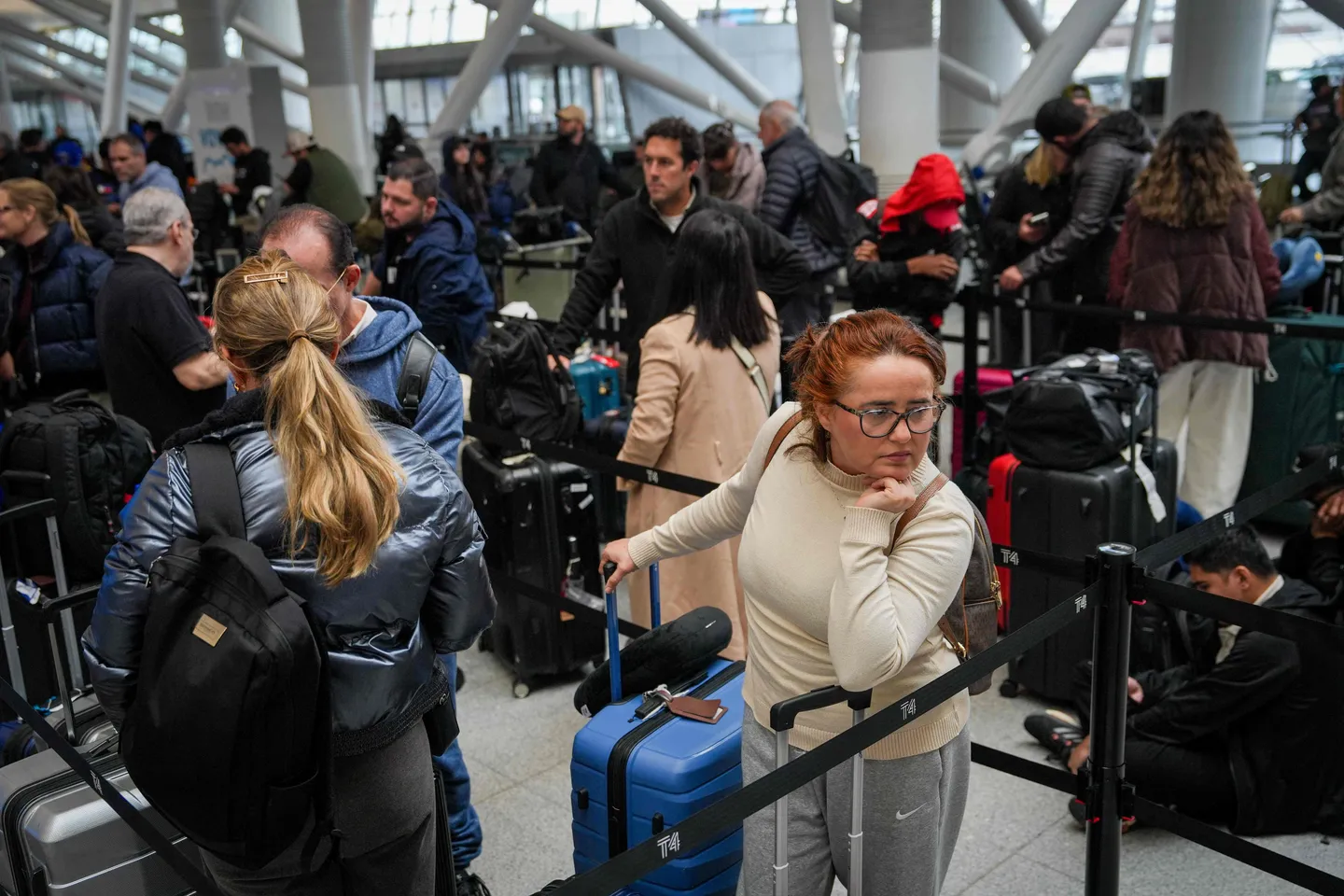
US air travel was limping back towards normal on Sunday after three days of disruption, with more than 10,000 flights affected, according to TRT World. FlightAware data cited in the report put Sunday's cancellations above 2,300 and delays at some 7,700, a marked improvement on Saturday, when airlines cancelled more than 6,400 US flights and delayed more than 8,000. Transportation Secretary Sean Duffy told ABC's This Week that operations would be fully normal by Monday.
The disruption began on Friday, when the Federal Aviation Administration issued a nationwide ground stop that halted nearly all departing flights for almost five hours. According to the report, it was the longest nationwide halt to US air travel since the attacks of 11 September 2001. The burden fell unevenly: 28 per cent of JetBlue flights and 17 per cent of American Airlines flights were cancelled on Sunday, while United, Southwest and Delta each reported cancellations of between 3 and 5 per cent.
The technical account offered by officials is narrow but unresolved. Duffy said the installation by FAA contractor L3Harris of at least one new router at a remote facility set off a cascade in which other air traffic control centres were flooded with data, hampering communications. A replacement router at a facility in El Dorado, Arkansas, triggered problems with a recently replaced router in Amarillo, Texas, which began broadcasting and overloaded routers elsewhere. The FAA said it has disabled the functionality of the originating routers and about 60 similar units. Duffy said there was no evidence of a cyberattack or malicious intent, describing the worker who installed the router as a veteran and "a good American patriot". Yet the root cause remains unknown, and the maintenance work in question had reportedly been done thousands of times before without incident.
The episode has turned quickly into a funding argument. Duffy has raised his request for air traffic control upgrades from $30 billion to $50 billion, after Congress approved $12.5 billion last year. President Donald Trump endorsed the call on social media, writing that Congress must approve and that the work should be done "all at once, not in drips and drabs". Democrats on the relevant House committees, Rick Larsen and Andre Carson, countered that about $11 billion of the 2025 allocation remains unspent and asked why more money was needed. Duffy said the earlier funds were earmarked for specific spending and did not cover new airspace-management software.
The politics are complicated by timing. Democrats are due to take control of Congress from Republicans in January following their gains in the 3 November midterms, so any new appropriation will require cross-party agreement rather than a simple appeal to the executive. The report also notes the wider context: a system beset by ageing technology and a shortage of several thousand controllers, with the faulty routers purchased in 2001 and obsolete by 2006.
What is not yet established is the precise cause of the failure, whether the 60 disabled routers leave any residual risk, and how quickly Congress might act on the funding request. Until those questions are answered, the recovery of schedules will not settle the larger question of how fragile the system remains.