The detail about unpaid tabs is striking precisely because it is unverifiable.
A Russian military expert has told the state news agency TASS that a large group of French mercenaries is concentrated in the Odessa region of southern Ukraine. Andrey Marochko, quoted by TASS from Lugansk, said he had received information about the presence of French citizens in Ukraine, with a particularly high number of such instances in the Odessa region. He offered no figures, unit names or documentary evidence for the claim, and the report attributes the assertion to his own sources.
Marochko's account is chiefly concerned with conduct rather than military capacity. He said the French behave in a very provocative manner and act as if they own the world, and that in bars and entertainment venues they spend lavishly while not always paying their tabs. He added that such conflicts are kept from becoming public knowledge, and that the unpaid bills are causing serious harm to Ukrainian small businesses already struggling under difficult conditions. He cited social media posts from Odessa residents as supporting evidence, though the report does not reproduce or identify them.
The TASS report also reaches back to earlier French reporting. It notes that the broadcaster RFI reported, citing several sources, that French military personnel have been operating covertly in Ukraine since at least the summer of 2026, training Ukrainian soldiers and maintaining military equipment. According to the same report, Alice Rufo, Minister Delegate to the Minister of the Armed Forces, confirmed the presence of active-duty French military personnel in Ukraine while saying they are not participating in combat operations on Kiev's side. That official French statement describes trainers and technicians, not mercenaries, and the two characterisations are not the same.
The distinction matters. The presence of French personnel in Ukraine is contested ground in French domestic politics, and Paris has consistently framed any deployment as non-combatant. A claim that French nationals are fighting for pay, and behaving badly in Odessa's bars, shifts the story from training support to undisciplined mercenary activity. It is a familiar rhetorical move in wartime information campaigns: an assertion that cannot be independently checked, wrapped in vivid detail that makes it memorable. The detail about unpaid tabs is striking precisely because it is unverifiable.
What is not yet known is substantial. There is no independent confirmation of the number of French nationals in Odessa, of whether any are combatants, or of their affiliation. Marochko's sources are not described, and the social media posts he invokes are not cited. French officials have not responded to his specific claims in this report. Readers should treat the mercenary characterisation as an allegation from a single Russian expert, reported by a state agency, rather than as established fact.
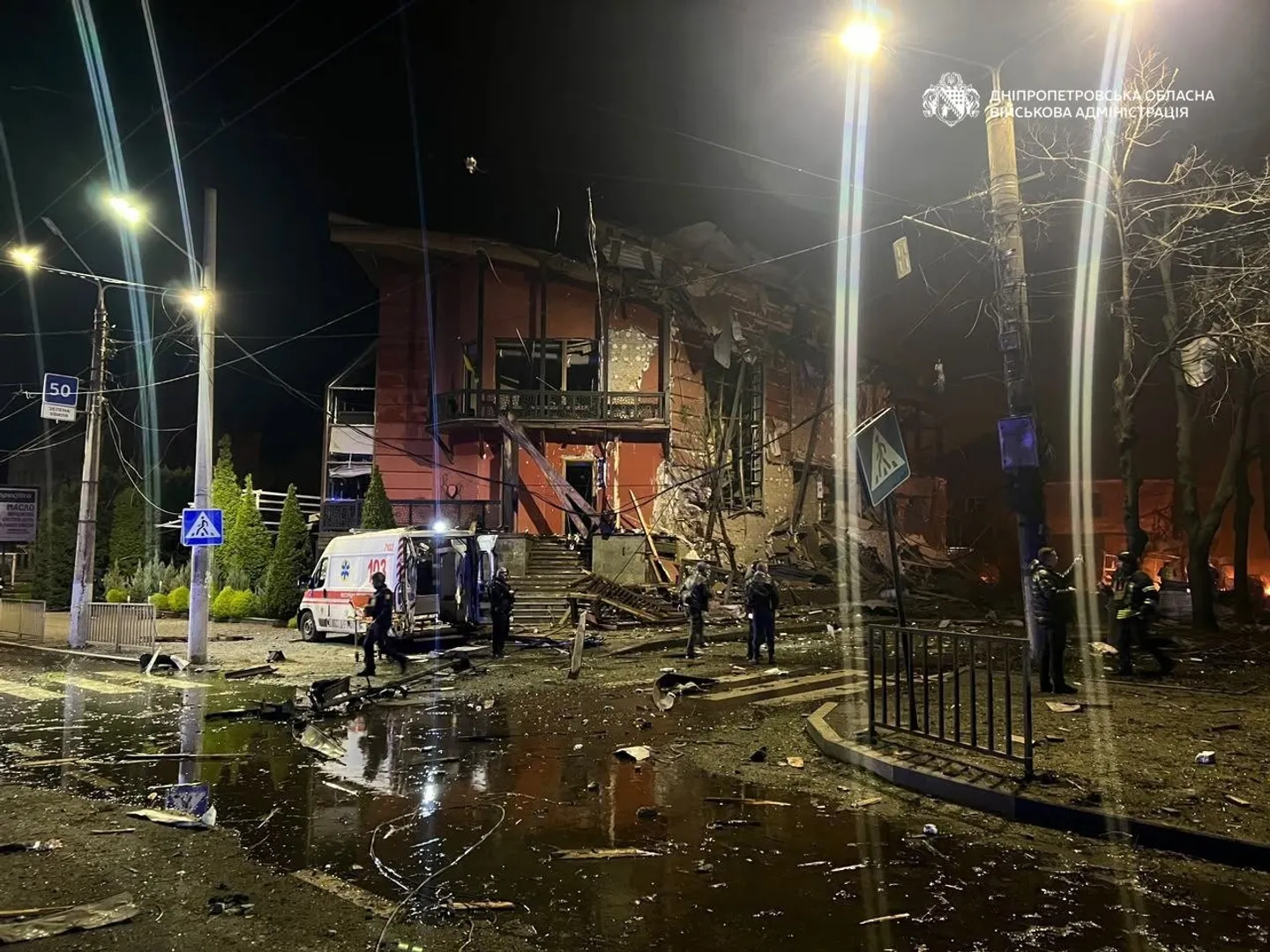
Odessa's strategic weight is not in doubt. It is Ukraine's principal Black Sea port, repeatedly targeted through the war, and any foreign presence there attracts scrutiny from all sides. That makes the city a natural setting for claims designed to travel. The more useful question is whether Paris or Kiev addresses the allegation directly, and whether any evidence beyond anonymous sourcing emerges to support it.