The political weight of the weekend will depend on events that have yet to unfold.
French unions and student groups are preparing another day of demonstrations on Saturday, while the Yellow Vests movement intends to hold a separate rally in central Paris despite a ban imposed by the authorities, according to TRT World. The marches follow weeks of youth-led unrest and nationwide strikes that have brought hundreds of thousands of workers onto the streets. They come less than six months before voters choose a successor to President Emmanuel Macron, with the far right leading in opinion polls.
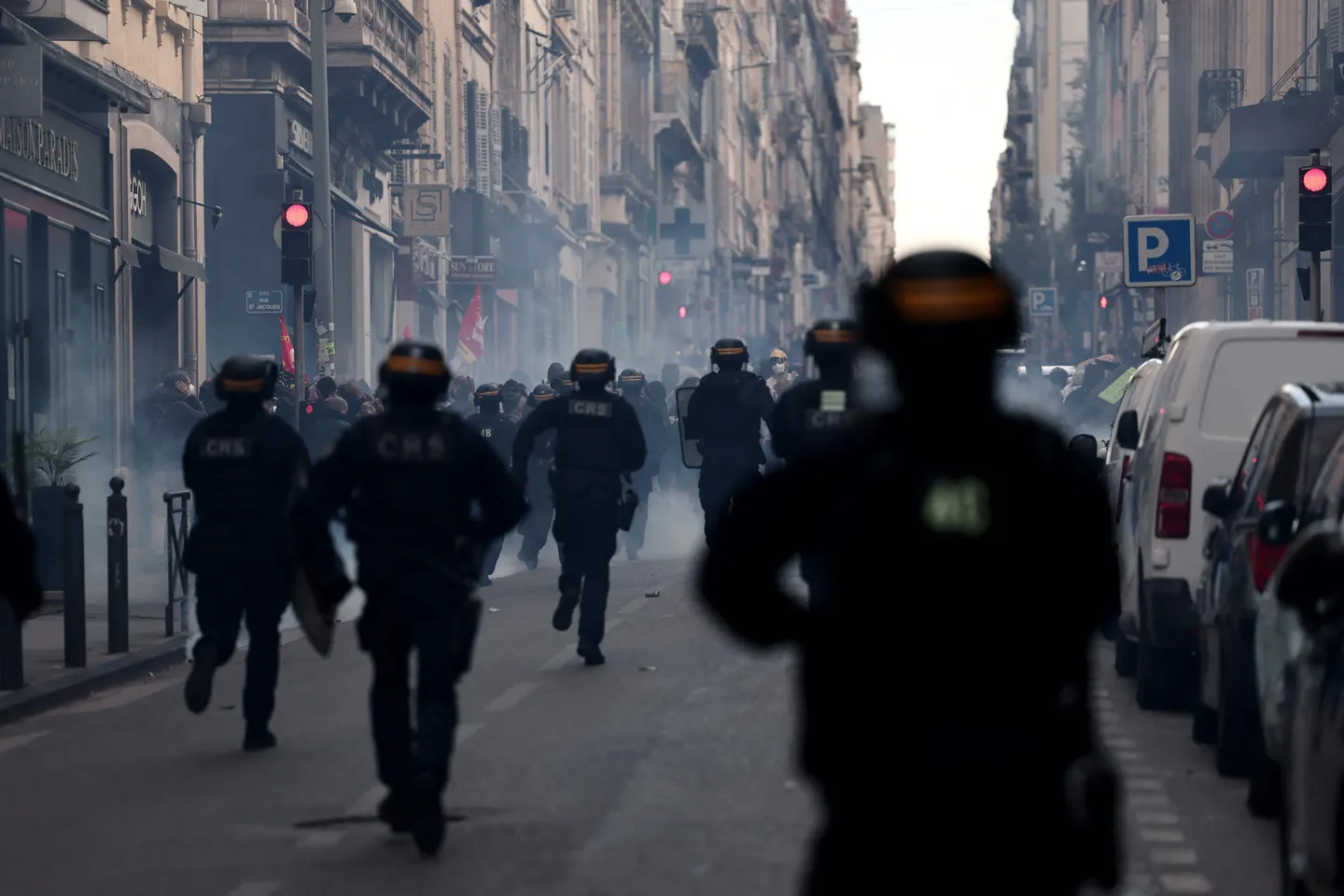
The two mobilisations are distinct in both organisation and legal standing. Student groups and trade unions have secured authorisation for a march in central Paris against the high cost of living and in support of young people. The Yellow Vests have declined to join that march, calling instead for a rally at Place de la Concorde, close to the lower house of parliament and the presidential palace, where demonstrations are banned. Interior Minister Laurent Nunez said 70,000 police officers and other security personnel would be deployed across the country, warning that rioters and looters would find the security forces ready for them.
The government's concern is a repeat of the violence of 17 October, which the report describes as France's worst rioting in years. Recent protests have been largely peaceful, though some have been marked by clashes and vandalism. Thursday's strike marches were mostly orderly, with the Interior Ministry saying the day had generally gone well despite 642 arrests. The Yellow Vests, which emerged eight years ago in opposition to planned fuel-tax increases, have urged supporters to attend the banned rally. Benjamin Ball, a member of its coordinating committee, said the movement was calling for mass disobedience.
Policing is itself becoming a political question. Dozens of internal investigations have been opened into allegations of brutality by officers handling the demonstrations. The AFP news agency urged the authorities on Friday to protect its journalists after several apparent instances of police violence against its reporters. Reporters Without Borders said it had recorded 40 cases of security forces obstructing journalists covering the protests, 21 of them involving physical violence.
The underlying dispute is economic. Prime Minister Sebastien Lecornu is due to meet trade unions and employers' organisations on Monday to discuss wages and purchasing power. An inter-union coalition said on Friday that only a response to the demands put forward for weeks by workers, civil servants, young people and pensioners would end the protests. The unions want an increase in the minimum wage, which has had no discretionary boost since 2012, across-the-board pay rises, tax reform and better learning conditions for young people. France, the European Union's second-largest economy, is under pressure to rein in debt, which limits the government's room to meet those demands.
What is not yet known is how large Saturday's gatherings will be, whether the banned rally at Place de la Concorde proceeds and how the security forces will respond if it does. The report gives no indication of the scale of turnout expected, and no figures on the cost of the unrest. The political weight of the weekend will depend on events that have yet to unfold.