Expensive oil and gas are usually debated as an energy security question or a cost-of-living problem; presenting them as an inflationary mechanism argues that the transition away from fossil fuels is a route to price stability rather than a cost imposed on consumers.
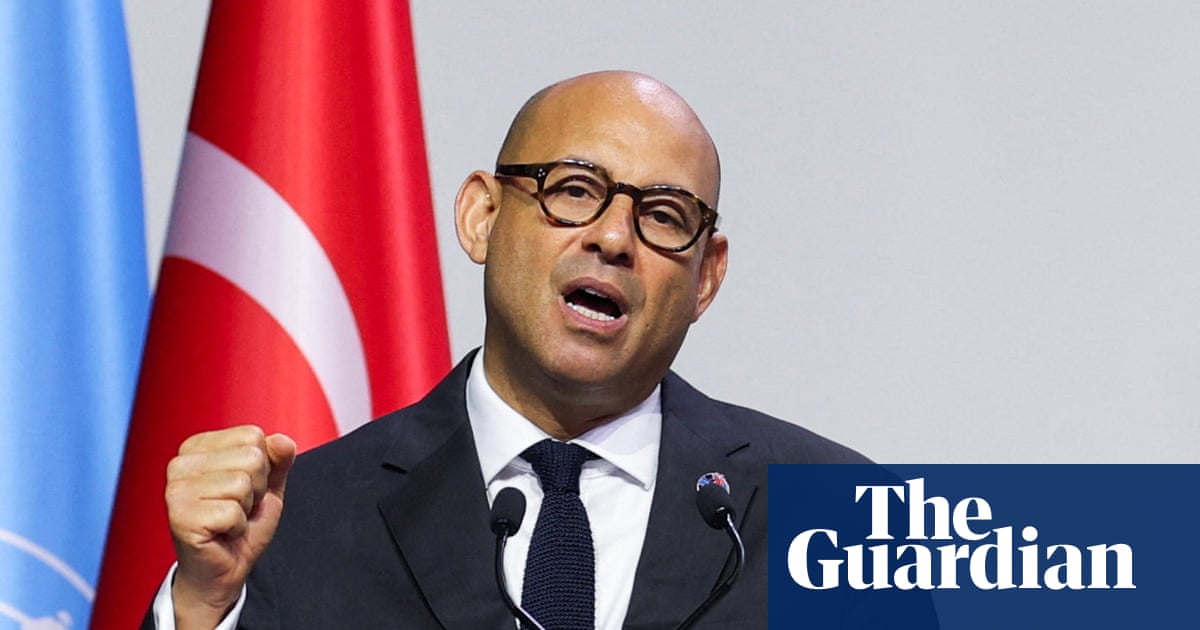
Australia's chief climate negotiator has used the Cop31 summit in Antalya to argue that high fossil fuel prices spread inflation "like a cancer" through economies, according to a Guardian report from the talks. The negotiator, Bowen, delivered the line with fists clenched in the closing moments of his speech, and urged delegates to show future generations that this generation was "equal to the challenge" and to "rise to this moment together".
The framing matters because it ties the climate agenda directly to household economics. Expensive oil and gas are usually debated as an energy security question or a cost-of-living problem; presenting them as an inflationary mechanism argues that the transition away from fossil fuels is a route to price stability rather than a cost imposed on consumers. The Guardian does not report the specific data or modelling behind the claim, and no figures are given for how much of current inflation is attributed to fuel prices.
The so-called high-ambition coalition, which says it has 20 members, is pushing for major progress in Antalya. It has stressed that the 1.5C temperature rise limit cannot be abandoned and called for accelerated finance for the places most vulnerable to climate impacts. Jess Gasper, an environmental official for the Marshall Islands, said the limit is "in serious danger but overshoot should never become an excuse for inaction", adding that "every fraction of a degree matters" and that overshoot must be limited with a return to a safe temperature as quickly as possible. Gasper said it took eight years to secure international finance for a single sea wall to protect the Pacific nation, and that the example shows why adaptation money is needed. "I refuse to accept that we experience displacement because the world fails to act," he said.
The talks opened without a fight over the agenda, which many delegates took as a good sign. There is confidence that a final decision will reference a new voluntary electrification goal championed by Turkey, the host, and Australia, which holds the presidency of the negotiations. Bowen said he had spoken to countries represented at the talks and found "enormous momentum" for electrification. The aim is to raise the share of final energy consumption coming from electricity from one-fifth to one-third within ten years.
Dr Fatih Birol, executive director of the International Energy Agency, told the Guardian there is "a great appetite for many countries to be part of this historic decision" and that the goal would give an extra boost to what he called the age of electricity. Countries agreed at the 2023 summit to triple renewable energy capacity by 2030; Birol said endorsing a 2035 electrification target would send an "unmistakable signal to markets" and create a chance to expand both renewable and nuclear electricity.
What remains unconfirmed is whether the electrification goal will survive into the final text, and in what form. It is described as voluntary, and the confidence among delegates is reported rather than guaranteed. The size and scope of any finance package for vulnerable countries is likewise not settled in the material available. The summit's outcome will show whether the inflation argument and the electrification target translate into commitments, or remain rhetoric.