A shortfall among nine members matters because the aggregate targets are built from national contributions, and a few large economies missing their marks can pull the whole trajectory off course.
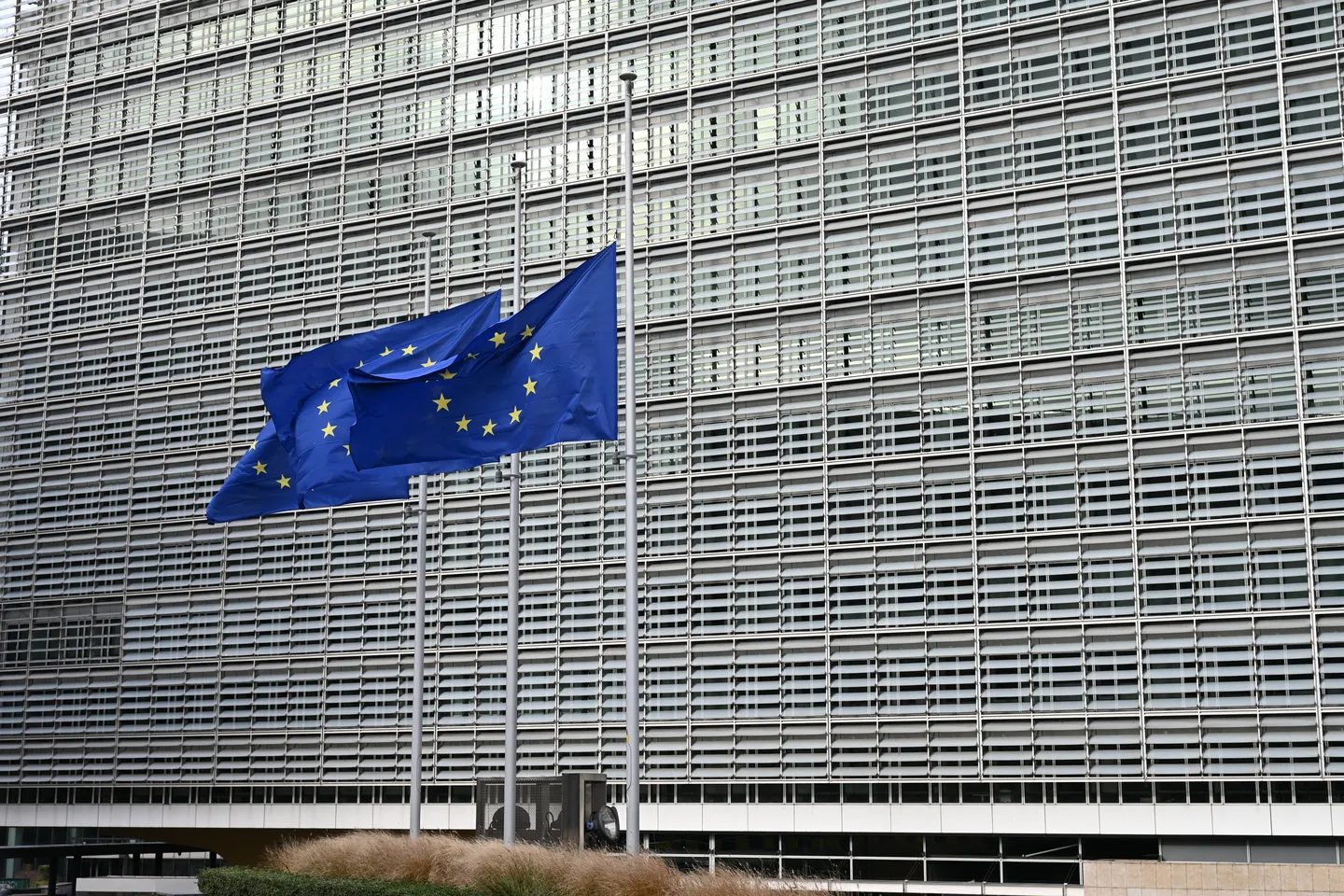
The European Commission has identified nine member states as off course for their 2030 emissions targets, according to a report issued on the sidelines of the COP31 climate summit in Türkiye. Austria, Germany, Ireland, Lithuania, Malta and Sweden risk failing to meet their 2030 goals, while Italy, Croatia and Greek-administered Cyprus have already exceeded their emissions targets for the 2021-2025 period, the commission found. The assessment covers national plans to reduce greenhouse gases across the 27-nation bloc.
Brussels intends to act on the findings. The commission said it would request that each of the nine countries submit a corrective action plan to accelerate the implementation and development of emission reduction measures and investments. European Climate Commissioner Wopke Hoekstra will write to all nine asking for plans within three months to get back on track, according to the report. The mechanism is procedural rather than punitive, but it puts the offenders on a formal clock.
The wider picture is mixed. The EU's net greenhouse gas emissions fell by 1.6 percent last year from 2024, on provisional figures released by Brussels, and the bloc's emissions are now 39 percent below 1990 levels. Against that record sit the bloc's longer commitments: a 90 percent cut by 2040 and net-zero emissions by 2050. A shortfall among nine members matters because the aggregate targets are built from national contributions, and a few large economies missing their marks can pull the whole trajectory off course.
The timing is pointed. The findings land as the UN climate talks open, giving EU officials a difficult message to carry into negotiations while presenting themselves as the world's most committed large bloc on climate. Environmental groups accuse the EU of backsliding over the past two years by repeatedly softening climate regulations for companies. Brussels will argue that the corrective plans show the framework working; its critics will argue that the need for nine of them shows the framework is being tested.
Several things are not yet known. The report does not set out the size of each country's gap, the specific measures Brussels expects, or what happens if a corrective plan is late or judged insufficient. Nor is it clear how far the 1.6 percent annual fall reflects structural change rather than weaker industrial output. What is confirmed is the list of nine, the three-month deadline, and the commission's decision to publish its verdict on the opening day of COP31.
The politics will play out nationally. Germany, the largest economy in the bloc, appearing among those at risk gives the finding particular weight, and the letter from Hoekstra will arrive in capitals already balancing energy costs and industrial competitiveness against climate commitments. Whether corrective plans become a genuine accelerator or another document in a lengthening file depends on the response of the nine governments, which has not yet been reported.