The author's sharpest point is not about Beijing's hospitality but about the reaction to correction, in which a debunked image is treated as having conveyed an emotional truth that facts cannot overturn.
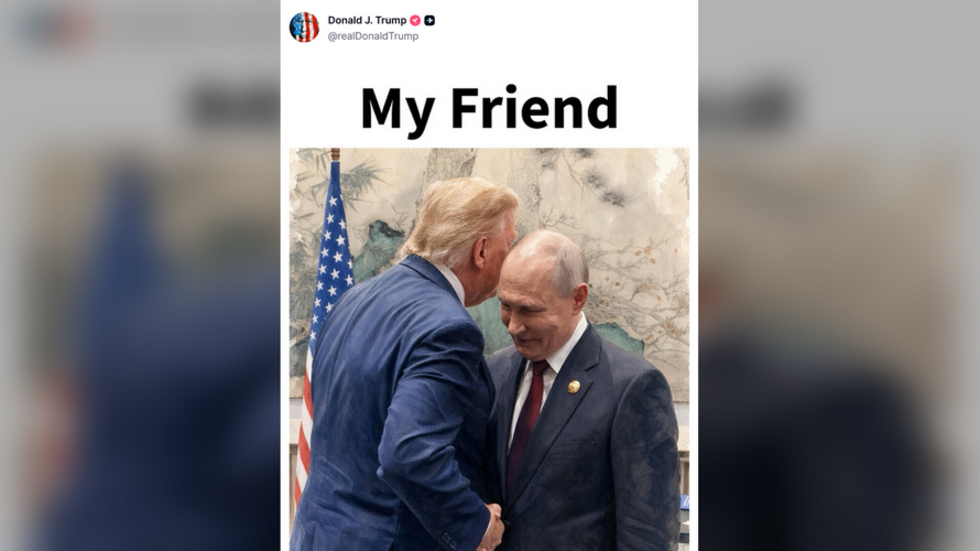
An opinion column published by RT on 20 November takes aim not at a diplomatic incident but at the way one was invented. According to the article, AI-generated images purporting to show Xi Jinping snubbing Vladimir Putin at the APEC summit in Shenzhen circulated widely online, including among commentators presented as diplomacy experts. One such image, the column says, depicted Putin seated alone at a separate table while Xi and Donald Trump chatted. The author states that Chinese television footage shows a single main table at the banquet, with all heads of delegation seated there.
The column names Michael McFaul, a former US ambassador to Russia, as among those who deleted posts after the error became clear, while others, in the author's telling, defended the substance of their conclusions even after the images were shown to be fake. A second fabrication, a video said to show Xi refusing to shake Putin's hand, accumulated some 3.6 million views, according to the article. The author says the footage was taken from the August SCO summit in Bishkek, and that in some versions it carries the watermark of an account created on 18 November whose owner admitted editing an old clip with Grok.
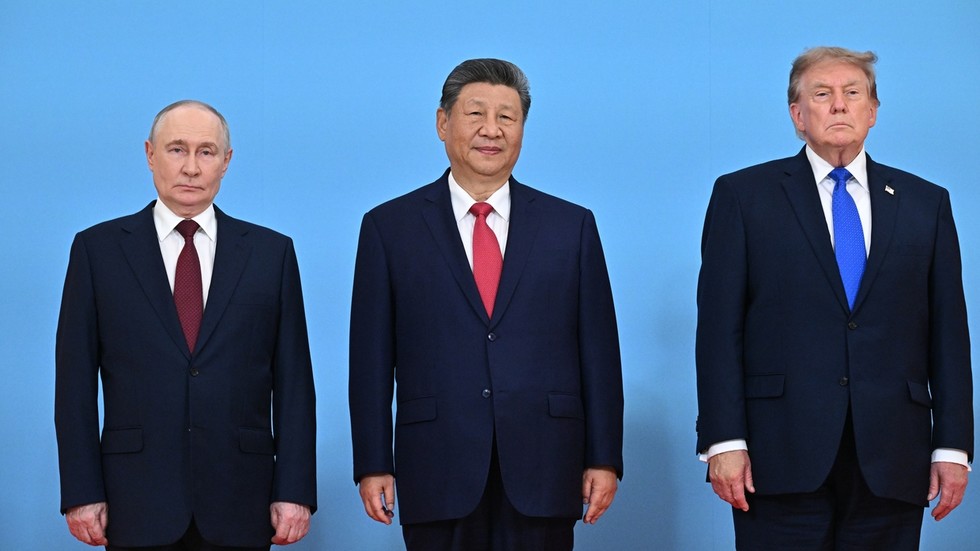
On the protocol itself, the column argues that Putin's seat to the left of Peng Liyuan, with Xi accompanied by his wife, corresponds to the place traditionally given to the second most senior guest. It further notes that Putin was placed ahead of Trump in the APEC family photograph and at the trilateral meeting, while Trump came first in the photograph with the spouses and at the banquet, describing this as a deliberate rotation rather than a ranking. The author also observes that the Chinese title of the event lists Russia before the United States, and reads that ordering as political rather than procedural.
The piece is candidly polemical, and its claims about seating, footage and deleted posts are reported by RT rather than independently verified here. What can be said is that the underlying episode is a recognisable one: synthetic or mislabelled material spreading quickly because it confirms what audiences already suspect. The author's sharpest point is not about Beijing's hospitality but about the reaction to correction, in which a debunked image is treated as having conveyed an emotional truth that facts cannot overturn.
That argument is made from a particular vantage point, and readers should weigh the sourcing accordingly. The identities of the experts criticised, the provenance of the television screenshot and the full sequence of events at the summit are not established in the material available. What the column does illustrate is the speed with which AI-generated imagery now enters diplomatic commentary, and the difficulty of retracting an impression once it has been widely shared.