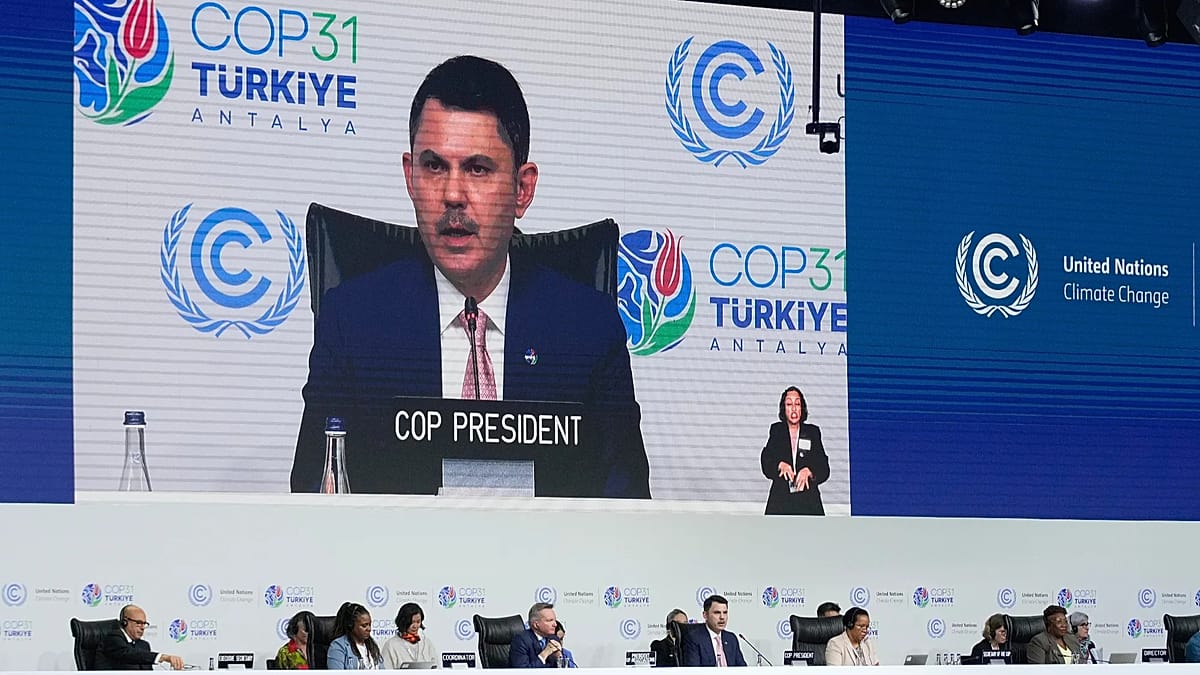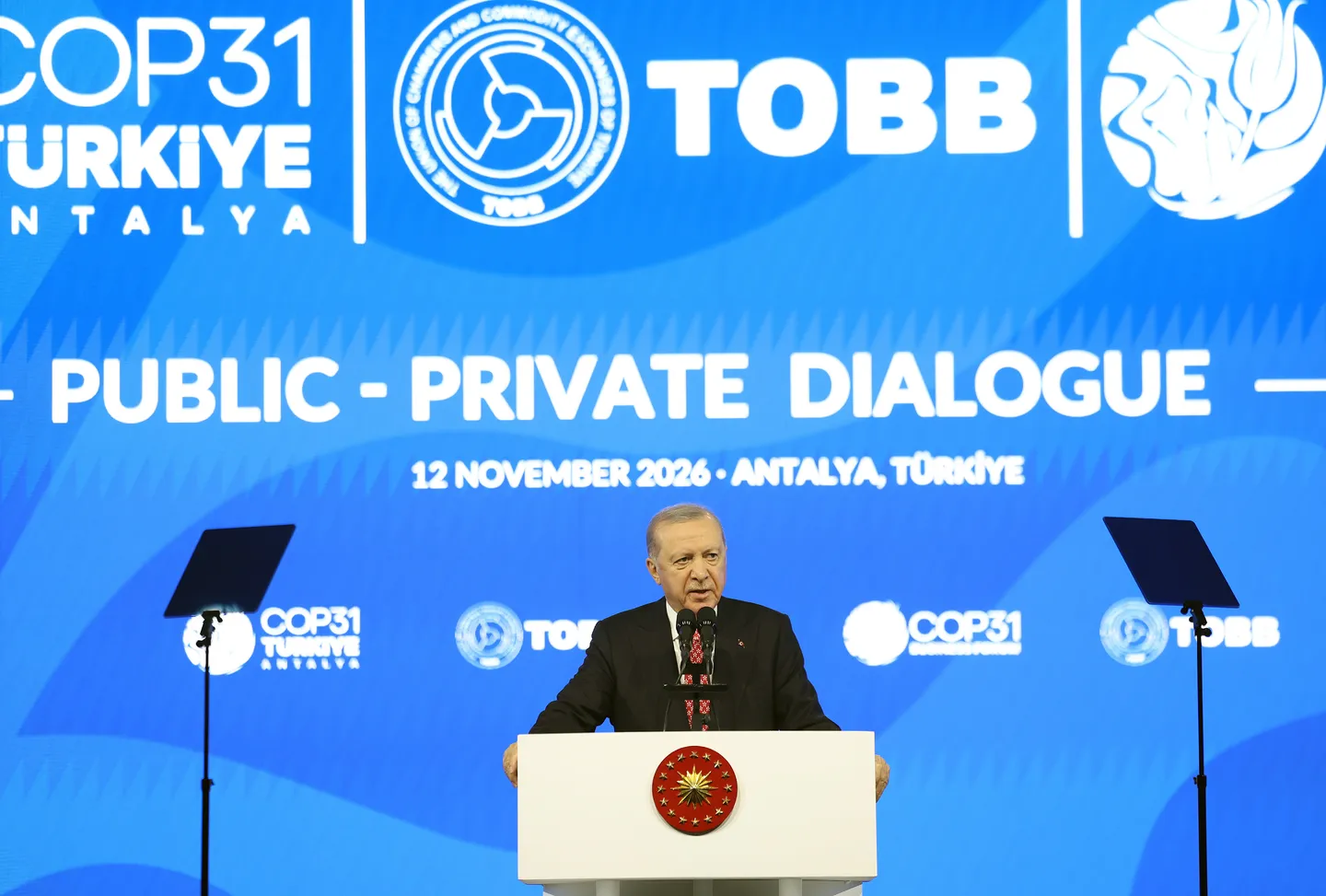
If we act with the understanding that 'every man for himself,' the door will be opened to much greater difficulties and far more devastating disasters.
Turkish President Recep Tayyip Erdogan used the COP31 Business Forum in Antalya on Thursday to press developed countries to shoulder a larger share of the climate burden, arguing that those who have depleted the global carbon budget owe more on both emissions cuts and financing. According to TRT World, Erdogan told the gathering that the alarming scale of the crisis demanded determined action worldwide, and that developing countries' right to development must be protected while communities bearing the heaviest burden receive strong support.
The setting matters. Antalya is hosting a business forum attached to COP31, and Erdogan's audience was corporate as much as diplomatic. He used the platform to argue that governments alone cannot carry the fight, urging businesses to assume greater responsibility, and to warn that narrow national interest would invite worse outcomes. "If we act with the understanding that 'every man for himself,' the door will be opened to much greater difficulties and far more devastating disasters," he said, according to the report.
Erdogan also returned to a familiar theme: the cost of deferring environmental protection for economic gain. He cautioned that errors made 50 or 100 years ago are now emerging one by one, and that repeating them by sacrificing ecology for the economy would leave children to pay the price. The framing positions Ankara as a broker between industrialised economies and the developing world, a role Türkiye has sought in climate diplomacy as it pursues what Erdogan described as a green development agenda, restructuring energy, industry, transport, agriculture and construction.
On domestic policy, the president said Türkiye was resolutely pursuing that agenda while seeking to strengthen industrial competitiveness, pledging continued support for renewable investment in wind, solar and hydropower. He acknowledged that rising energy prices were affecting Türkiye as they were other countries, but stressed that Ankara would not abandon growth, development or investment in public welfare. That caveat is significant: it leaves room for continued reliance on conventional energy even as the government advertises its renewable ambitions.
Erdogan closed by turning to regional affairs, describing Türkiye as an island of stability and security, with growing confidence among international investors and institutions, and saying Ankara was keeping the country away from conflicts while working sincerely for peace and stability in the region. The report does not specify which conflicts or which investors, nor does it give figures for Turkish renewable capacity, emissions targets or any financing pledges made at the forum.
What is not yet known is whether Erdogan's appeal will translate into commitments from developed countries at COP31, or how the business forum's outcomes will feed into the formal negotiations. The report offers no detail on the summit's agenda, on reactions from other delegations, or on any concrete Turkish pledges. For now, the speech is a statement of position rather than a record of agreement, and its weight will depend on what follows in the negotiating rooms.