Those details will matter in judging whether the programme does more than widen exposure to the sector, and whether the joint public-private funding model is extended beyond this round.
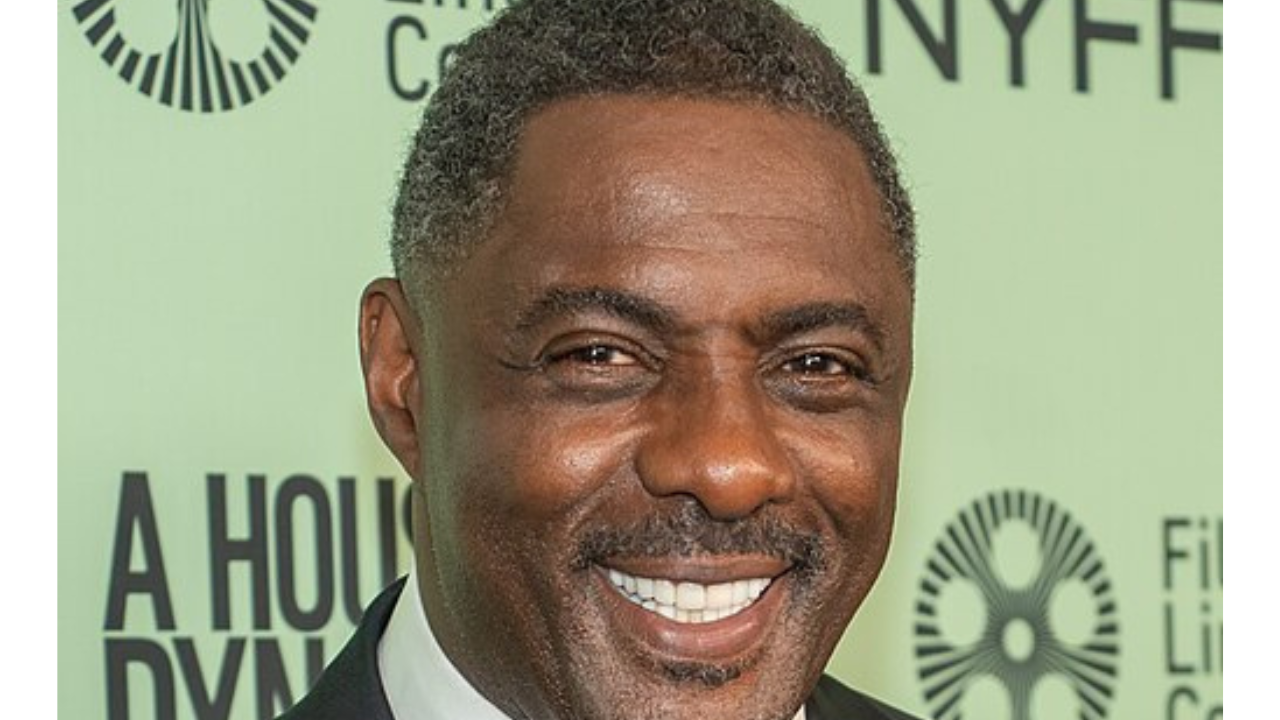
The Elba Hope Foundation, founded by the actor Idris Elba and his wife Sabrina, is backing a £500,000 expansion of a British creative training programme, according to a report in the Times of India. The scheme, called Creative Futures, is delivered by The King's Trust, formerly known as The Prince's Trust, in partnership with the foundation. The money is being provided jointly by the UK government and the Elba Hope Foundation, with the Department for Culture, Media and Sport announcing the investment on 14 November 2025.
The expansion is expected to provide free places to 400 additional young people aged between 16 and 30 across England. According to the report, the new places will be available in Greater Manchester, Birmingham, Leeds, Liverpool, Newcastle, Bristol, the South West and the South Coast. The programme is aimed at those not in education, employment or training, those at risk of entering that situation, and people facing significant barriers to entering creative professions. Before the expansion was announced, more than 100 young people had completed the programme's first year, gaining experience in DJing, theatre, visual arts, events and enterprise.
Creative Futures was launched in autumn 2024 with funding from the Elba Hope Foundation. It offers hands-on training, professional mentoring and routes into employment, education and further training through three pathways: Get Started, which develops confidence and practical skills with specialist creative organisations; Get Into, a pre-employment programme delivered with employers and training providers; and Enterprise, which supports young people interested in self-employment. The design reflects an argument that creative careers extend beyond performing and artistic work to production, event management and entrepreneurship.
The government has set targets for the programme. According to the report, it aims for 75 per cent of participants to progress into employment, self-employment, education, training, apprenticeships, volunteering or other educational outcomes after completing it, and for 90 per cent to report greater awareness of the creative sector and to believe the industry offers opportunities for people like them. The expansion also builds on the government's Discover! Creative Careers programme, which the report says reaches more than 100,000 young people each year through employer encounters and work experience.
The context is a government effort to widen access to creative careers beyond London. According to the Department for Culture, Media and Sport, the UK's creative industries account for approximately 2.4 million jobs, with opportunities growing in cities including Manchester, Liverpool and Birmingham. Announcing the expansion, Elba said the initiative was about creating pathways into industries that young people might not otherwise consider accessible, and that he and Sabrina were committed to expanding opportunities and helping participants build sustainable careers.
What the report does not establish is how the 400 places will be distributed across the named regions, how participants will be selected, or how the progress targets will be measured and reported. The longer-term employment outcomes of the first cohort are also not given. Those details will matter in judging whether the programme does more than widen exposure to the sector, and whether the joint public-private funding model is extended beyond this round.