A child's decision to copy a well-known model of local fundraising, sustained for ten years with community help, produced a measurable contribution to research.
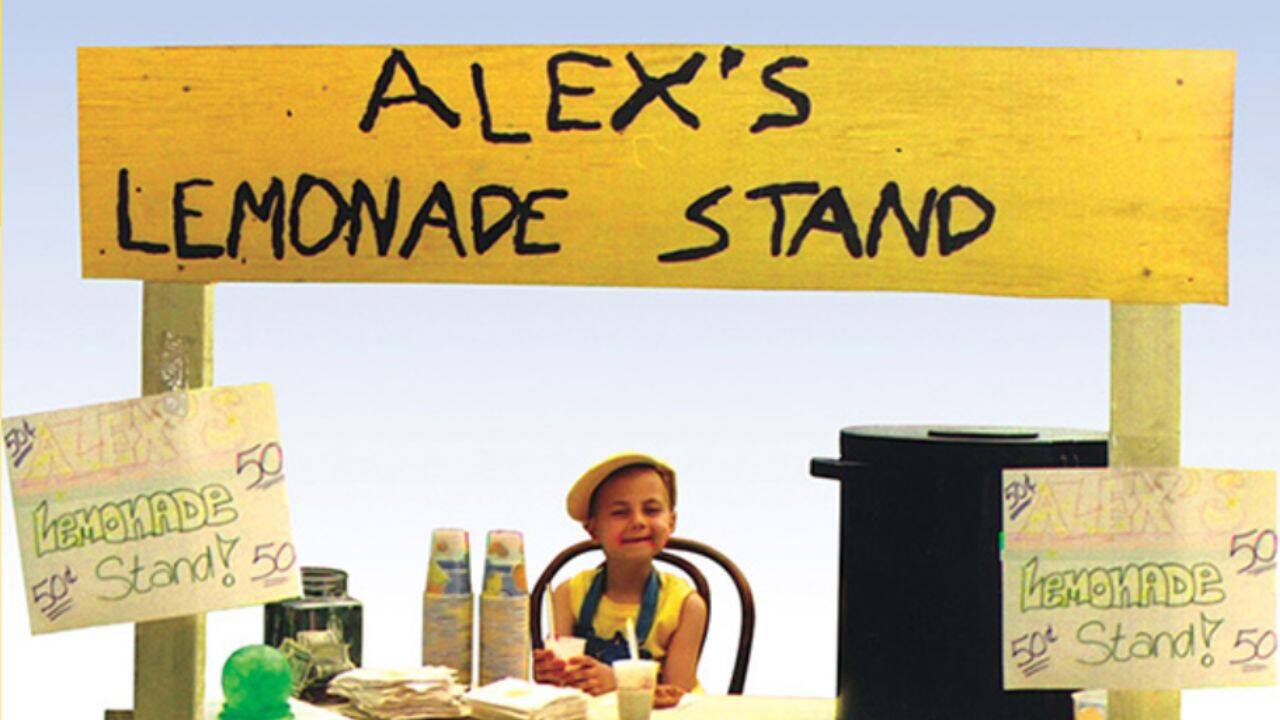
Ava Marie Musci of Liverpool, New York, was eight years old when she learned about Alex's Lemonade Stand Foundation and decided to act. According to the Times of India, drawing on reporting by This Is CNY, she set up a lemonade stand in her neighbourhood and began collecting money for paediatric cancer research. A decade later, that effort has raised $22,000 for the foundation, enough to fund 450 hours of cancer research.
The scale of the operation changed over time. What began as a single neighbourhood stand attracted support from local businesses and organisations, among them Wegmans, Costco, Walmart and the Onondaga County Sheriff's Office, which contributed supplies and backing. The fundraiser became a community-supported activity rather than the project of one family, a shift that helps explain how a modest annual event could accumulate a five-figure total over ten years.
The foundation itself has acknowledged the achievement. Sarah McIntosh of Alex's Lemonade Stand Foundation said, according to the report, that what Ava built with her lemonade stand showed strong leadership skills and an ability to rally people together to make a difference and to push for a better future. The organisation supports research into childhood cancer, and the reported 450 research hours is the most concrete measure of what the money has bought.
Ava's work has also brought recognition closer to home. She was among 20 students honoured at the 2026 Best and Brightest Awards, organised by Syracuse.com and The Post-Standard and held on 5 November at the Redhouse Arts Center in Syracuse. The awards recognise high school seniors graduating in 2027, selected on academic performance, extracurricular activities, leadership and contributions to their schools and communities. Eligible students needed at least a B grade or a 3.0 grade point average, and submitted applications, letters of recommendation and personal narratives to a panel of Syracuse.com judges.
The fundraising appears to have shaped her plans. The report says the experience taught her that individual efforts can make a difference, and she is now pursuing criminal justice and forensics through the BOCES New Visions Criminal Justice Program. She hopes to attend the University at Albany to study criminal justice and forensics, or digital forensics. Alongside this she plays soccer, wrestles on the girls' team, plays in the marching band, volunteers at her church and works several part-time jobs, including as a youth soccer referee.
What the report does not establish is how much of the $22,000 was raised in any single year, how the research hours were calculated, or how the foundation allocates such funds. Those details are not given, and the figures should be read as the outlet reports them. What is clear is narrower and more durable: a child's decision to copy a well-known model of local fundraising, sustained for ten years with community help, produced a measurable contribution to research and a template that other young organisers could follow.