Whether the new committee becomes a vehicle for the small-dollar coalition he described, or another node in the system he denounced, is not yet known.
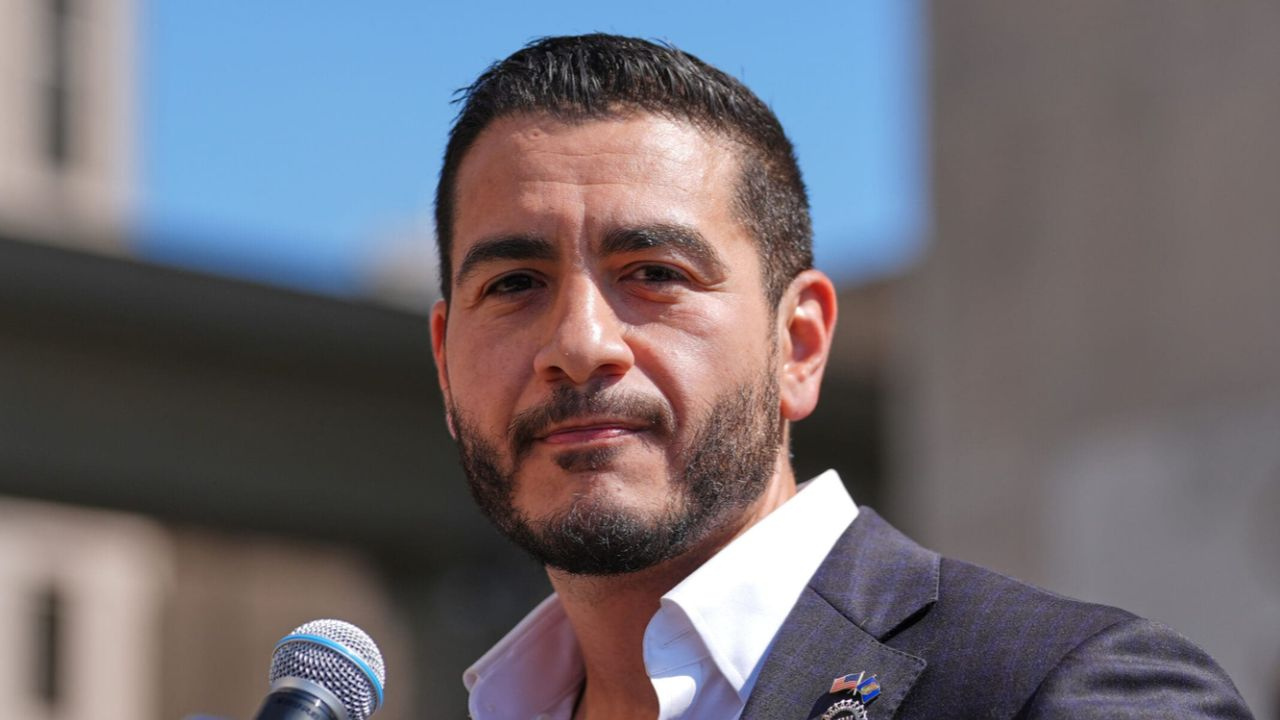
Abdul El-Sayed, the Michigan senator-elect who campaigned on reducing the influence of money in politics, has registered a political action committee days after becoming the first Muslim elected to the US Senate. According to Al Jazeera, the committee was filed with the Federal Election Commission on Thursday as a leadership PAC sponsored by El-Sayed. Such committees allow politicians to raise money independently of their election campaigns and use it to support other candidates, political organisations and activities.
The timing invites scrutiny. El-Sayed used his victory speech to argue that ordinary voters could overcome the influence of wealthy interests. "The many can win," he said, framing the result as a contest between money and the people. The new committee's name, Habibi PAC, draws on an Arabic term of affection meaning "my dear" or "my beloved", a phrase he used repeatedly on the campaign trail and aimed at Vice President JD Vance in Detroit, telling him there was a "delicious irony" in the constitutional obligation to swear him in in January.
He is not alone in moving quickly. Al Jazeera reported that Arizona Congressman-elect Amish Shah registered PACStreet Boy, Iowa Senator-elect Josh Turek launched WheelPAC, and North Carolina Senator-elect Roy Cooper registered One NC PAC. According to OpenSecrets, as cited by the outlet, these vehicles help lawmakers build networks by contributing to other candidates and party organisations, and are used to develop influence within parties and strengthen chances of securing leadership roles or committee chairmanships.
The sums involved are substantial. Leadership PACs distributed $79.3 million to federal candidates during the 2024 election cycle, with Republicans receiving most of the contributions, though a Democratic leadership PAC was the largest individual donor, OpenSecrets data showed. Overall spending has climbed: OpenSecrets estimated total expenditure in the latest cycle would reach $11.9 billion, against $8.9 billion in the 2022 midterms. Outside spending, largely through super PACs, was projected at $3.9 billion, an 85 per cent rise on 2022, while dark money had already crossed $1.47 billion, above the previous record of $1.35 billion set in the 2024 presidential cycle.
El-Sayed, the son of Egyptian immigrants, defeated Republican Mike Rogers after attacks from President Donald Trump, Vance and Senator Ted Cruz, who called him a "jihadist" and sought to link him to the Muslim Brotherhood without providing evidence. OpenSecrets also found conservative groups spent about $360 million more than liberal groups on outside political spending, while Democratic candidates were expected to outspend Republican candidates by around $800 million.
What the report does not establish is how Habibi PAC will be funded, what it will spend on, or how El-Sayed squares a leadership committee with his critique of money in politics. Leadership PACs are legal and commonplace, but they are also the machinery through which influence is pooled. Whether the new committee becomes a vehicle for the small-dollar coalition he described, or another node in the system he denounced, is not yet known.