What the account does establish is the pattern: sustained overnight drone activity reaching deep into Russian territory.
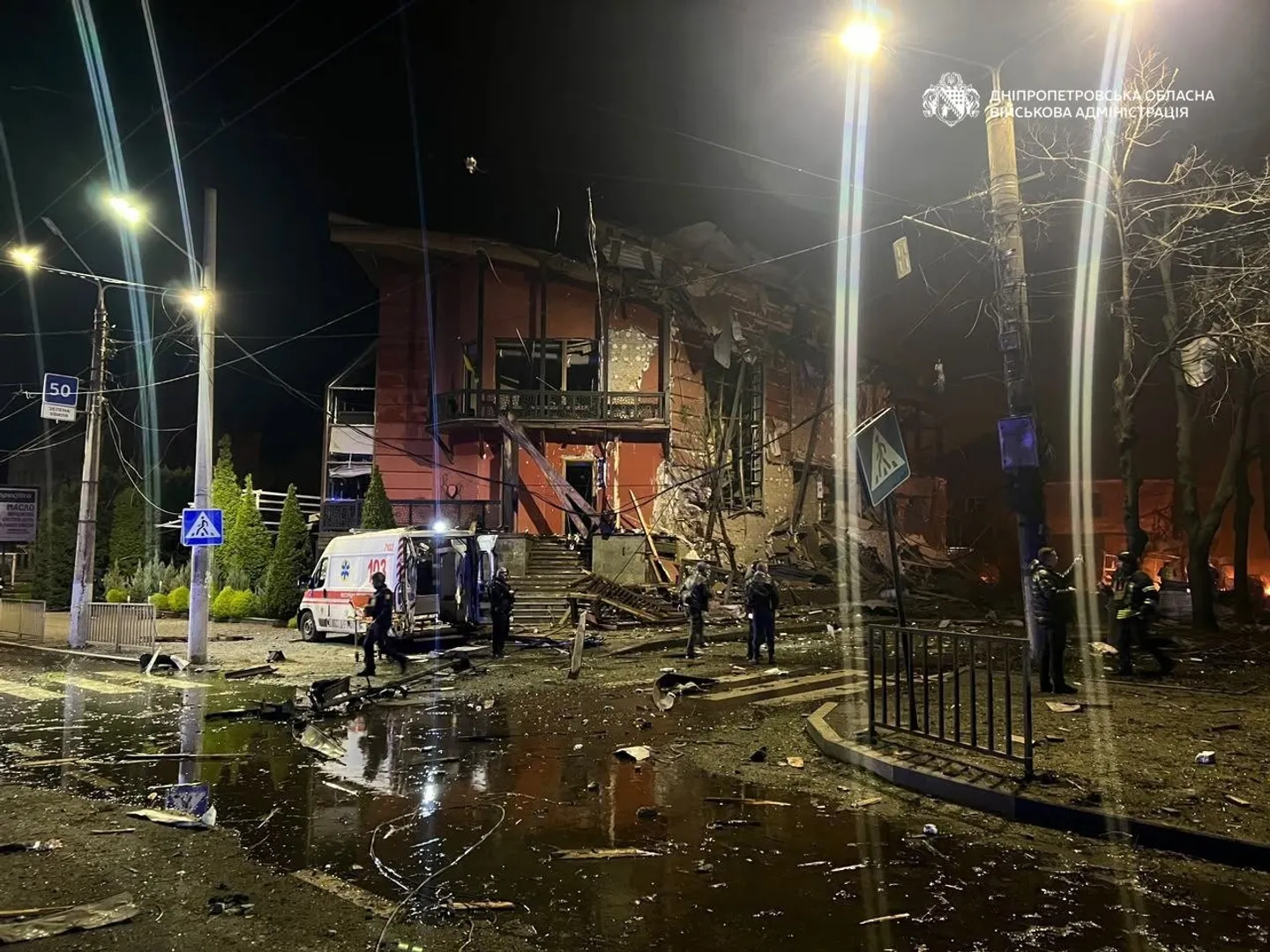
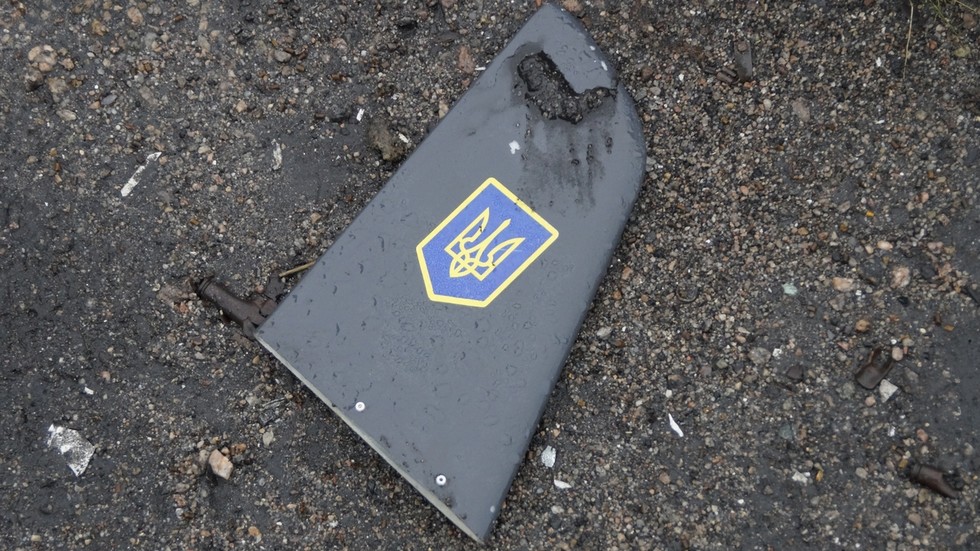
Two civilians were killed in Russia's Smolensk Region overnight after debris from a downed Ukrainian drone struck an apartment block in the town of Yartsevo, according to the regional governor, Vasily Anokhin. Writing on social media on Wednesday morning, Anokhin said the falling debris caused a fire that claimed the two lives, and offered condolences to their families. Ten residents were evacuated from the burning building, he added.
Anokhin said 37 drones were destroyed above the Smolensk Region during the night. The region lies some 360 kilometres west of Moscow and borders Belarus, placing it on a western approach corridor that has seen repeated drone activity over the course of the war. The governor's account, carried by RT, did not specify the type of drones involved or the intended targets.
The larger raid appears to have come further north. Aleksandr Drozdenko, governor of Leningrad Region, said at least 150 unmanned aerial vehicles were shot down over his territory overnight. He said Kiev again targeted the Baltic Sea port of Ust-Luga, where several drones hit the port area, starting a fire and wounding three people. Their lives were no longer in danger, the governor said.
Ust-Luga matters well beyond its immediate surroundings. It hosts a major gas processing complex and, according to the report, is Europe's largest oil terminal for transshipping petroleum products from rail to tanker. A strike on such infrastructure carries commercial as well as military significance, though the report gives no assessment of damage to the terminal itself, no confirmation of which facilities were affected, and no indication of how long any disruption might last.
The figures should be read with care. Casualty and interception counts come from regional officials quoted by a Russian state-aligned outlet, and no independent verification is available in the material. Ukrainian authorities have not commented in the report, and there is no confirmation of the intended targets, the weapons used, or the extent of the fires at Ust-Luga. What the account does establish is the pattern: sustained overnight drone activity reaching deep into Russian territory, with civilian casualties in one region and damage at a strategically important energy port in another.
For readers outside the region, the significance lies in the pressure such raids place on air defences spread across a vast territory, and in the vulnerability of export infrastructure on the Baltic. Whether the Ust-Luga strikes translate into any interruption to petroleum flows is not yet known. The report offers no figures on throughput, no statement from the terminal operator, and no response from Kiev. Those gaps are as telling as the claims themselves.