The governor’s warning that bomb disposal teams cannot yet work freely suggests that the threat is ongoing and that local authorities are struggling to clear affected areas.
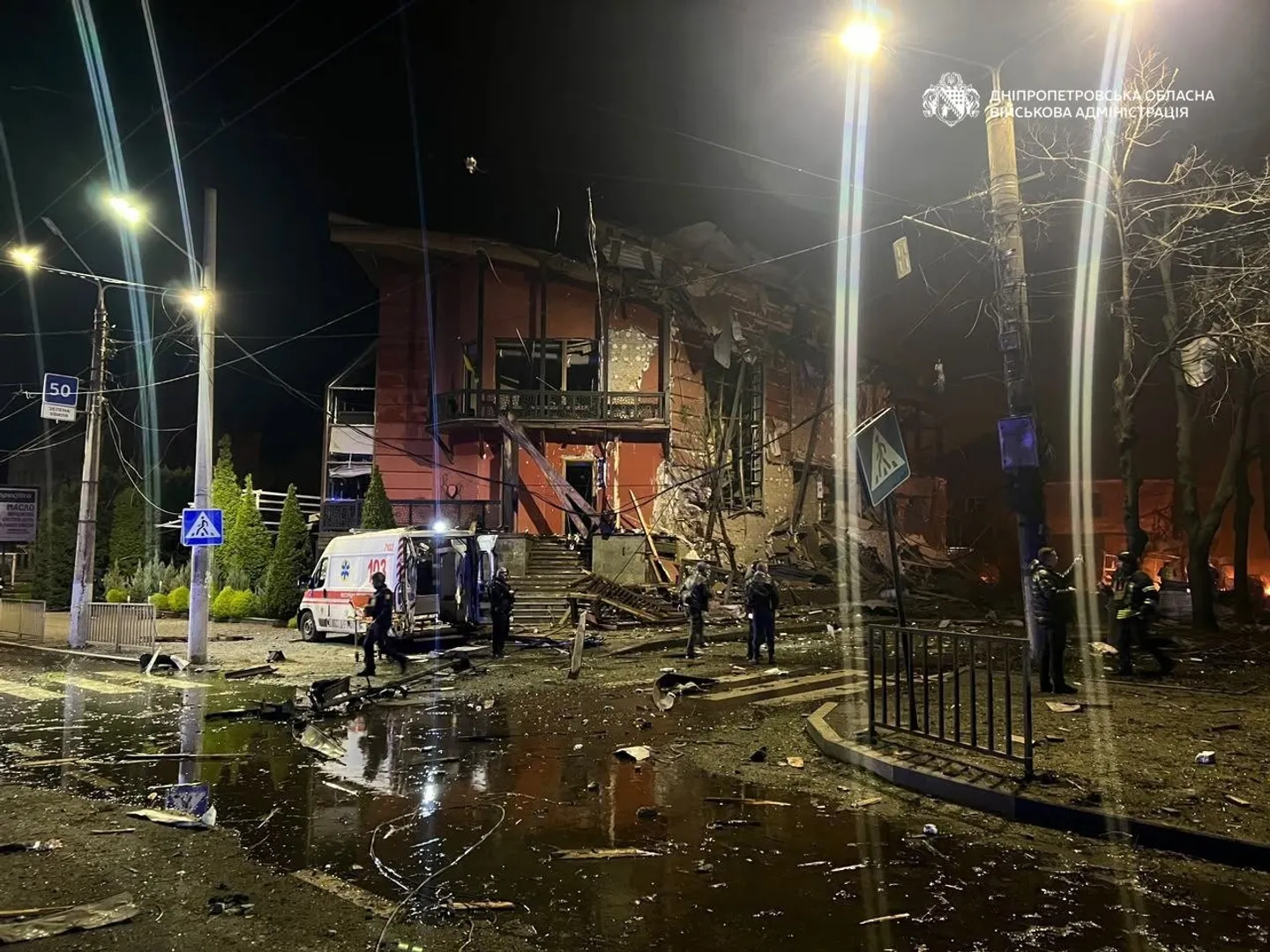
Ukrainian drones are continuing to drop explosive devices on the city of Rylsk in Russia’s Kursk Region, according to the region’s governor, Alexander Khinshtein. In a statement carried by TASS, the governor said that one of the city’s central districts had been mined in this way, and that two civilians had received serious wounds when an explosive device detonated.
Writing on the messaging app Max, Khinshtein urged residents to remain vigilant and cautious, noting that explosive devices were still being dropped. He added that bomb disposal experts would begin clearing the area as soon as the situation allowed. The report does not specify when the incidents occurred, how many devices have been dropped, or the precise location of the affected district beyond its central position.
The development points to the persistent reach of drone warfare along Russia’s border with Ukraine. Rylsk lies in Kursk Region, which has been the scene of cross-border clashes and incursions since the full-scale invasion of Ukraine. The use of small drones to drop explosives on urban areas is a tactic that has been reported in other border regions, though the TASS report provides no detail on the type of drones used or the scale of the operation.
For residents of Rylsk, the immediate consequence is a heightened sense of insecurity. The governor’s warning that bomb disposal teams cannot yet work freely suggests that the threat is ongoing and that local authorities are struggling to clear affected areas. The two serious casualties underline the risk to civilians in border communities, where the distinction between military targets and civilian life is often blurred.
What remains unclear is how Ukrainian forces are selecting their targets and whether the drone drops are part of a broader campaign. The report does not say whether any military facilities were hit, nor does it indicate how Russian air defences are responding. It also does not specify whether the devices are being dropped by fixed-wing drones or quadcopters, a distinction that would affect the difficulty of interception.
For now, the governor’s message is one of caution rather than reassurance. The situation in Rylsk is described as fluid, with bomb disposal experts waiting for conditions to allow them to work. The TASS report offers no timeline for when that might be, leaving residents to navigate an uncertain threat with only the governor’s call for vigilance as guidance.