An attack on that architecture, whether or not it succeeded, is a signal aimed as much at Washington as at Manama.
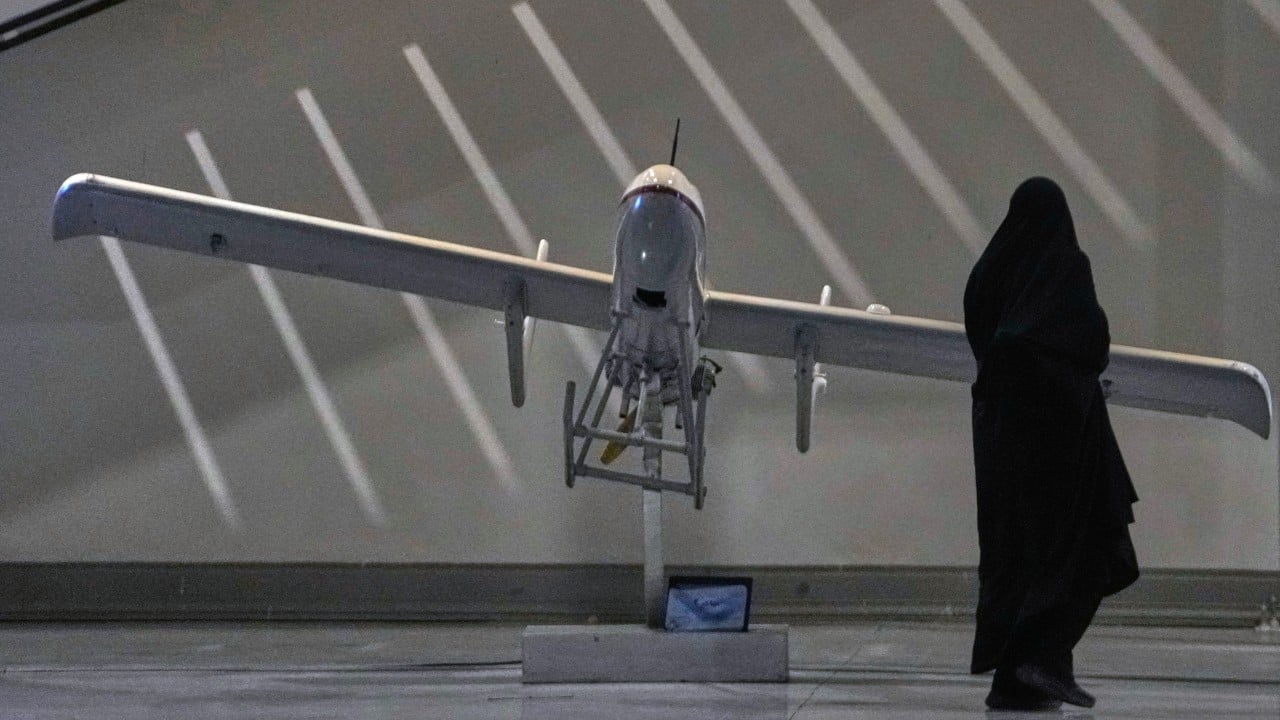
Iran fired drones at a US military radar system in Bahrain on Tuesday, according to the South China Morning Post, citing reports from the Gulf. Iran's Islamic Revolutionary Guards said the target was a radar system at the Sheikh Isa base in Bahrain, the small Gulf state that hosts the US Fifth Fleet. Bahrain said it intercepted the attack after sounding an air raid alert and warning residents. The report places the strike against a backdrop of high tension in the Gulf and nearly nine months of war.
The choice of target is the story. Sheikh Isa is not a peripheral installation; it is the anchor of the American naval presence in the Gulf, and a radar system there sits at the centre of the surveillance architecture that underwrites freedom of navigation through the Strait of Hormuz. An attack on that architecture, whether or not it succeeded, is a signal aimed as much at Washington as at Manama. Bahrain's account that the attack was intercepted suggests the immediate damage may be limited, though no independent confirmation of the outcome is available.
The timing sharpens the contradiction. The same report notes talks between Tehran and Oman on safeguarding maritime corridors in the Strait of Hormuz, a diplomatic track that implies both sides retain an interest in keeping commercial traffic moving. Firing drones at a US radar while negotiating over shipping lanes suggests Tehran is separating the military and diplomatic registers, or that the talks are less settled than their continuation implies. Which reading is correct is not yet known.
Much remains unconfirmed. The report does not say how many drones were launched, what type, whether any reached their target, or what damage resulted. It gives no account of American casualties or of the US response, and no detail on how Bahrain's interception was achieved. The Omani talks are described only in passing. These gaps matter: the severity of the episode, and whether it marks a threshold or a message, cannot be judged from what is presently reported. What is clear is that a US facility in a Gulf host state has been attacked by Iranian forces while diplomacy continues.