The attack matters less for the damage it caused than for what it signals.
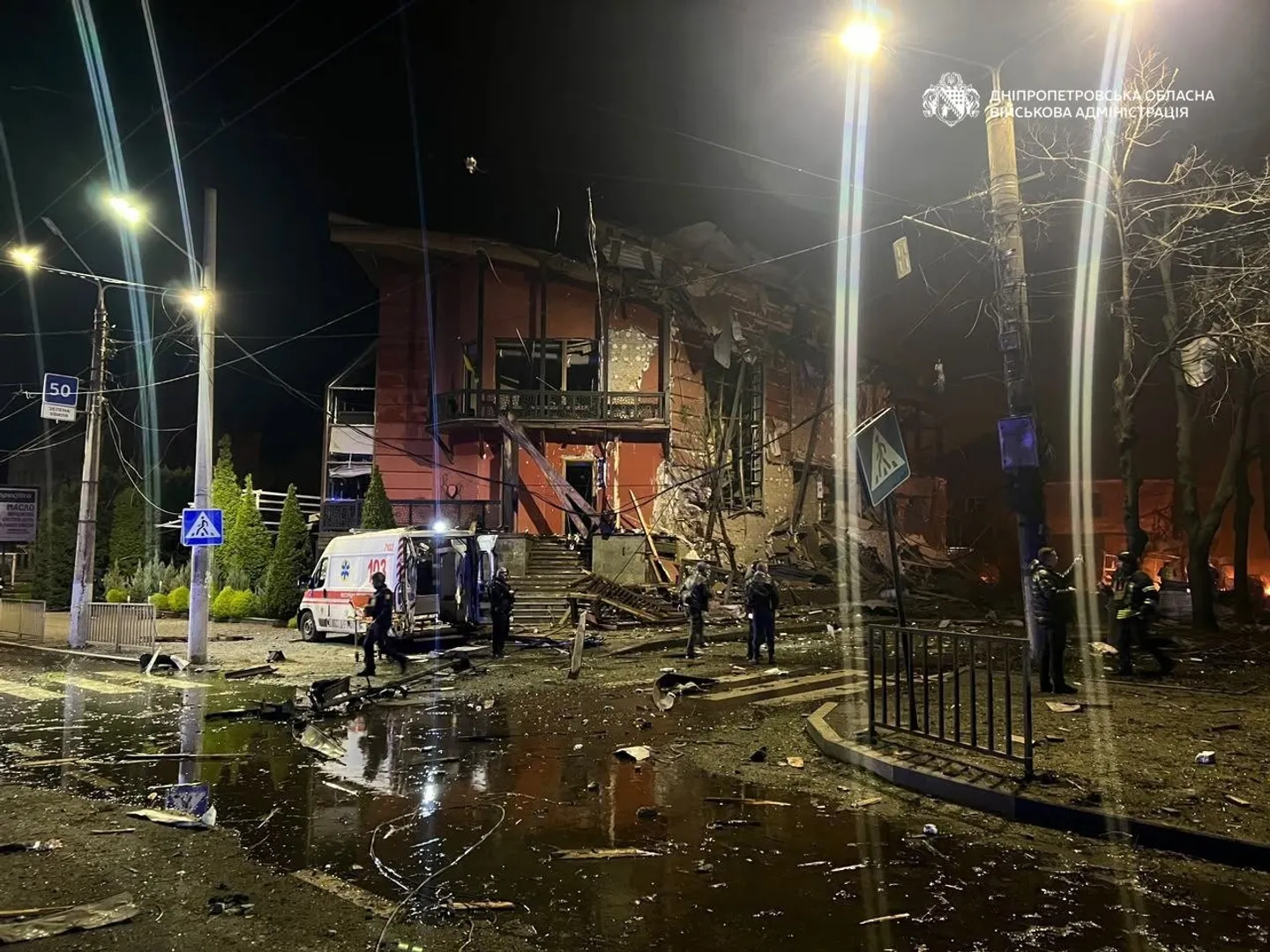
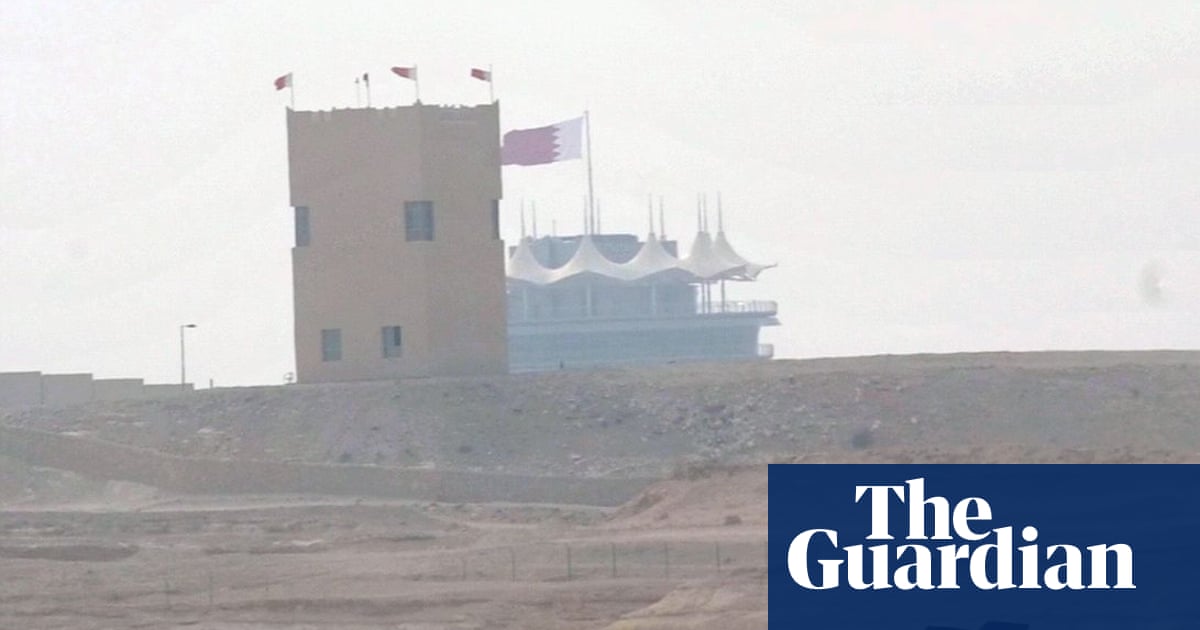
Iran has launched drone attacks against a US military base in Bahrain, according to The Guardian, the second such attack in three days and one framed by Tehran as retaliation for US strikes inside Iran. Blasts were reported over the Gulf kingdom on Sunday. The Islamic Revolutionary Guards Corps said it launched six drones at a US air defence radar at the Al-Rifaa helicopter base in response to what it called hostile US actions, while authorities in Bahrain said air defences intercepted the drones before they reached their targets.
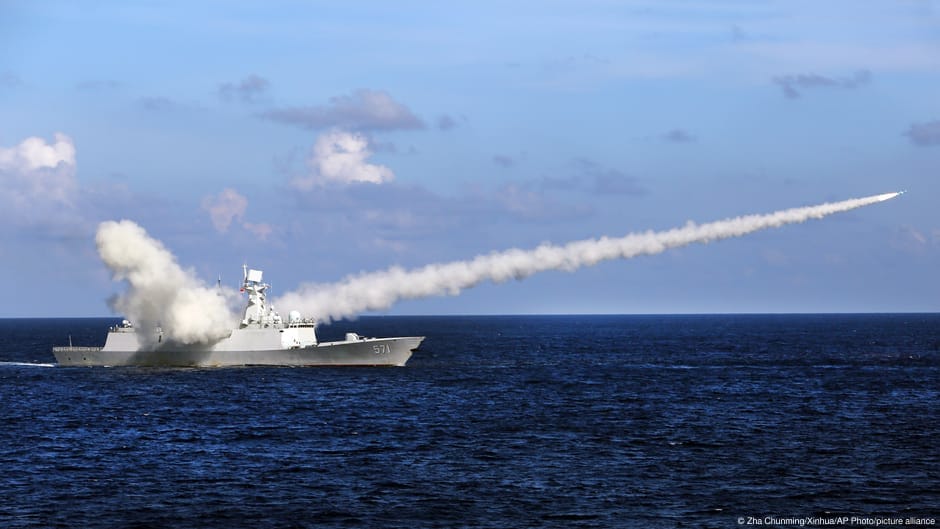
The attack matters less for the damage it caused than for what it signals. US forces have carried out a series of strikes on Iranian targets in recent weeks, including Qeshm Island in the strait of Hormuz, and the strikes on Bahrain suggest Iran has settled on a tit-for-tat response rather than absorbing them. At a press conference in Tehran, foreign ministry spokesperson Esmaeil Baghaei said Iran would continue to respond to any military aggression by the US or other states. Asked whether the strikes marked a change of direction as negotiations have stalled, he said Iran was "not waiting for anyone" and was focused on its security.
The diplomatic picture is bleak. Donald Trump said last week that Washington was no longer seeking a deal with Iran, and that he had instructed the vice-president, JD Vance, to redirect his focus to alleged corruption and fraud in Democrat-run cities and states. Vance, who had blamed the Republicans' loss of Congress in the midterms on the Iran war, had requested a personal meeting with Iranian negotiators to discuss peace terms. A conflict that began with joint US and Israeli attacks on Iran in February remains at an impasse, with the US maintaining a naval blockade and Iran holding its chokehold over the strait of Hormuz.
The Gulf is not the only theatre. In Yemen, Iran's Houthi allies advanced against pro-government forces in the south, opening a potential route to Aden, according to the report. Separately, the Revolutionary Guards claimed that two ships struck mines in the strait of Hormuz and that one, an oil supertanker carrying 2m barrels of oil, sank after what the statement described as massive explosions and fire. There was no immediate independent verification, and the US military recently claimed it had cleared all mines from the main routes through the waterway. Those competing claims are themselves part of the contest.
What is not yet known is significant. Neither the extent of any damage at Al-Rifaa nor the fate of the tanker has been independently confirmed, and it is unclear whether the drone attacks represent a calibrated signal or the opening of a more sustained campaign. What the record does show is a pattern of action and reprisal with no obvious off-ramp, and a US administration that has publicly stepped back from negotiation while its forces remain exposed across the Gulf.