The timing of his death, little more than eighteen months after his release, gives the case a political charge that the bare facts do not explain.
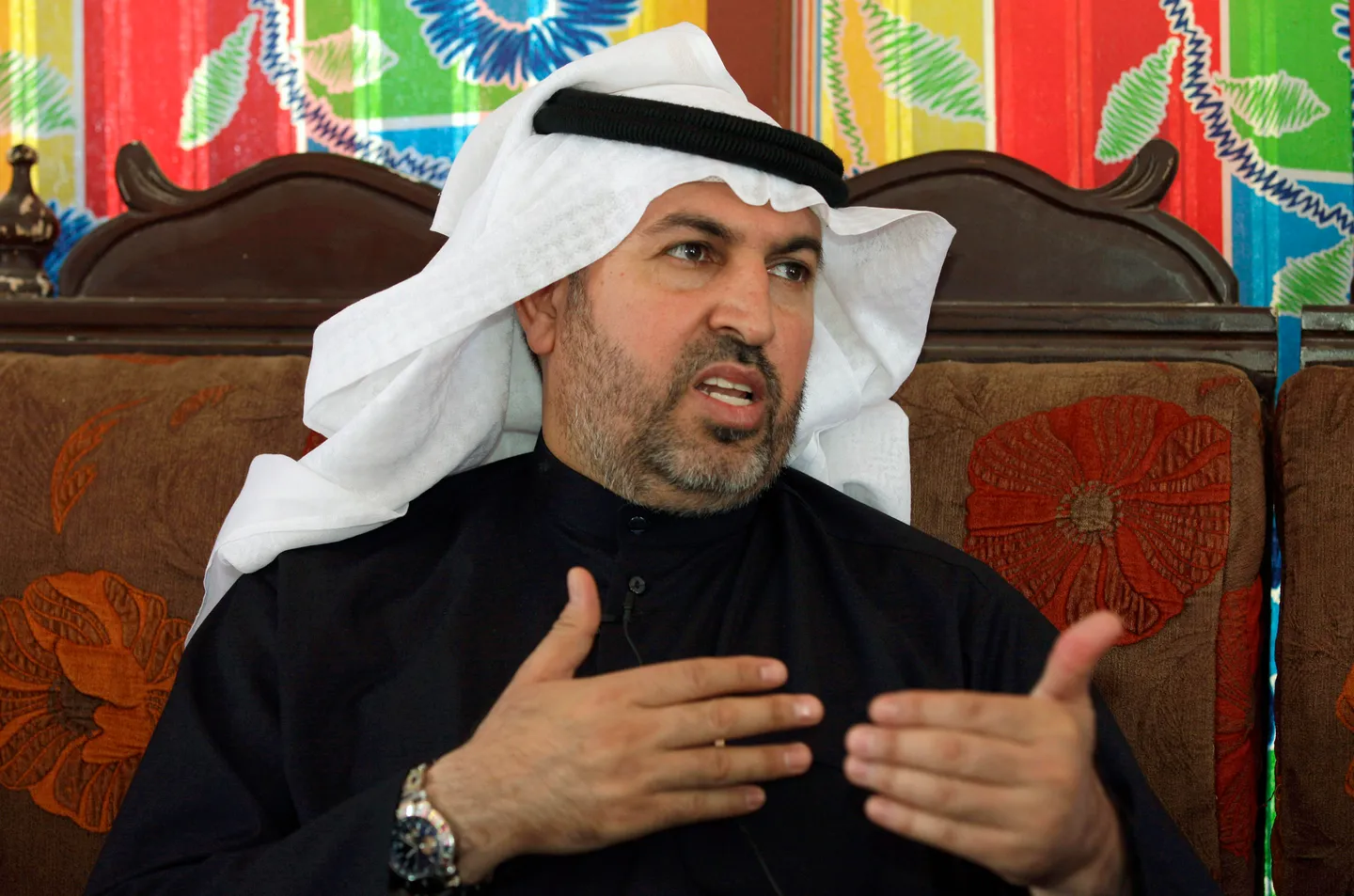
A former member of Iraq's Council of Representatives, Ahmed al-Alwani, has been found dead in an apartment in the Tariq Jadida neighbourhood of Beirut, according to TRT World. The discovery has prompted both Lebanese and Iraqi authorities to open a formal investigation into what is being treated as a killing. Official sources have not publicly disclosed the manner of his death, and no suspects have been identified.
Lebanon's National News Agency reported that the Information Branch of the Internal Security Forces is leading the inquiry under the direct supervision of the country's top prosecutor, Judge Ahmad Rami al-Hajj. Iraq's ambassador to Lebanon, Mohammed Reda al-Husseini, told the Iraqi News Agency that the embassy is following the case closely with Lebanese security services and awaiting official findings, and confirmed that a dedicated judge has been assigned to oversee the legal process. Alwani's media office issued a statement on X appealing to Iraqi authorities to work closely with their Lebanese counterparts on an exhaustive and transparent investigation, and urging that all those involved in planning or carrying out the killing be brought to justice.
Alwani was a prominent figure well before his death. He represented Anbar province in western Iraq and chaired the parliamentary economic committee. He came to national attention as a leading figure in the protest movement against then prime minister Nouri al-Maliki's administration in 2012 and 2013. In December 2013 he was detained following a raid on his residence in Ramadi, and he remained in custody for more than eleven years before being released under a general amnesty in late April 2025.
The timing of his death, little more than eighteen months after his release, gives the case a political charge that the bare facts do not explain. A former legislator who spent over a decade in detention and then died violently in a neighbouring capital is a figure around whom competing narratives will quickly form. The restraint shown so far by both governments, which have confirmed the machinery of investigation without describing its direction, may reflect the sensitivity of the case as much as the early stage of the inquiry.
Several things are not yet known. The cause of death has not been made public. No suspect has been named, and no group or individual has been accused. It is not established why Alwani was in Beirut, how long he had been there, or whether Lebanese authorities had any prior awareness of a threat to him. Whether the investigation will produce findings that either government is willing to publish in full is also unclear. The Iraqi embassy's statement that it is awaiting official results leaves the substance of the case in Lebanese hands for now.
What can be said is that the case places a direct test on cooperation between Baghdad and Beirut at a moment when both are managing difficult internal security files. The public appeal from Alwani's own office for transparency sets a benchmark against which the official response will be measured, and the answer to it will shape how the death is read across Iraq's political spectrum.