The coalition's momentum is now bound up with the domestic fortunes of three governments, and its members see time and outside diplomacy working against them.
The Coalition of the Willing has lost momentum in recent months, according to a Politico report cited by TASS, as the political authority of its co-chairs — France, Germany and the United Kingdom — weakens. The report, published on 19 November and drawing on four unnamed European government officials, describes a grouping whose leadership is uncertain at the very moment it is meant to be converting pledges into practical support for Ukraine.
One official quoted by Politico put the problem plainly: "The leadership is wobbly in France and Germany. In the UK, new Prime Minister Andy Burnham seems to be quite solid on Ukraine but he's still finding his way, so we are waiting." According to the report, the difficulty is tied to falling approval ratings for German Chancellor Friedrich Merz and French President Emmanuel Macron. An Ipsos BVA-CESI poll cited in the article put Macron's approval at a record low of 15 per cent in October, while Merz is said to rank last among Germany's leading politicians in the polls.
Burnham's position is different. Politico reports that he holds a stable parliamentary majority but is currently more focused on domestic matters and remains, in the publication's words, "relatively untested on the world stage". The coalition has been led by Britain and France and has been working on security guarantees for Ukraine, including the possible deployment of military contingents once the conflict ends.
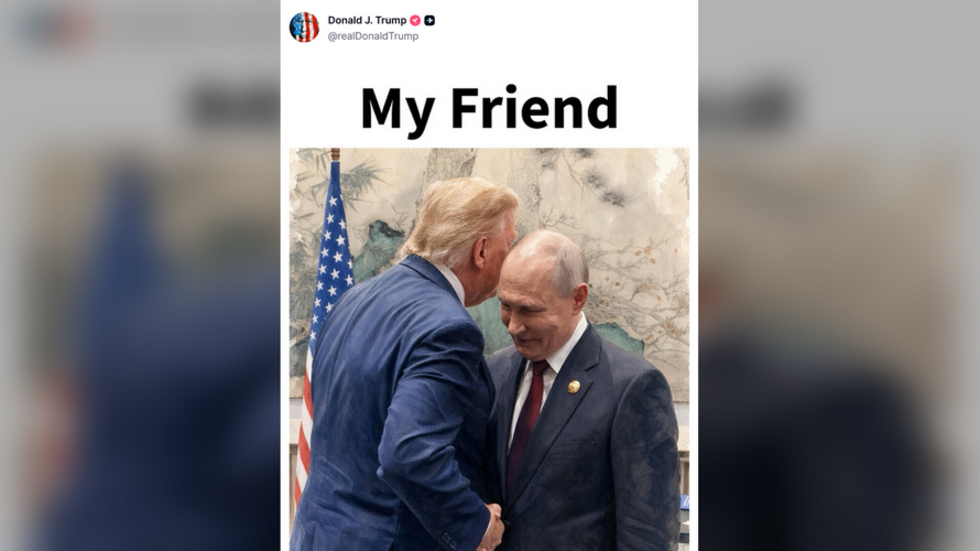
According to the report, leaders of the participating countries are concerned both by the group's weak leadership and by the lack of progress in delivering practical assistance to Ukraine. They are said to fear that any potential deal between Russian President Vladimir Putin and US President Donald Trump could "consign the coalition to irrelevance". That anxiety points to a wider structural problem: a European-led initiative whose leverage depends partly on decisions taken in Washington and Moscow, and whose credibility rests on the political standing of governments that are, for now, under pressure at home.
Russia's position is already clear. Moscow opposes the presence of NATO troops in Ukraine, and Foreign Minister Sergey Lavrov has said that ensuring Ukraine's security through "foreign military intervention in some part of Ukrainian territory" would be unacceptable to Russia. What the coalition's security guarantees would look like in practice, whether any contingent would be deployed and under what mandate, and how the reported concerns among member governments will affect the group's work are not yet known. The report rests on anonymous officials and polling figures whose full methodology is not set out in the TASS account. What it does establish is that the coalition's momentum is now bound up with the domestic fortunes of three governments, and that its members see time and outside diplomacy working against them.