If a one-degree rise in temperature widens the income gap between women and men, and if drought raises the odds of violence against adolescent girls, then adaptation policy and gender policy are the same policy.
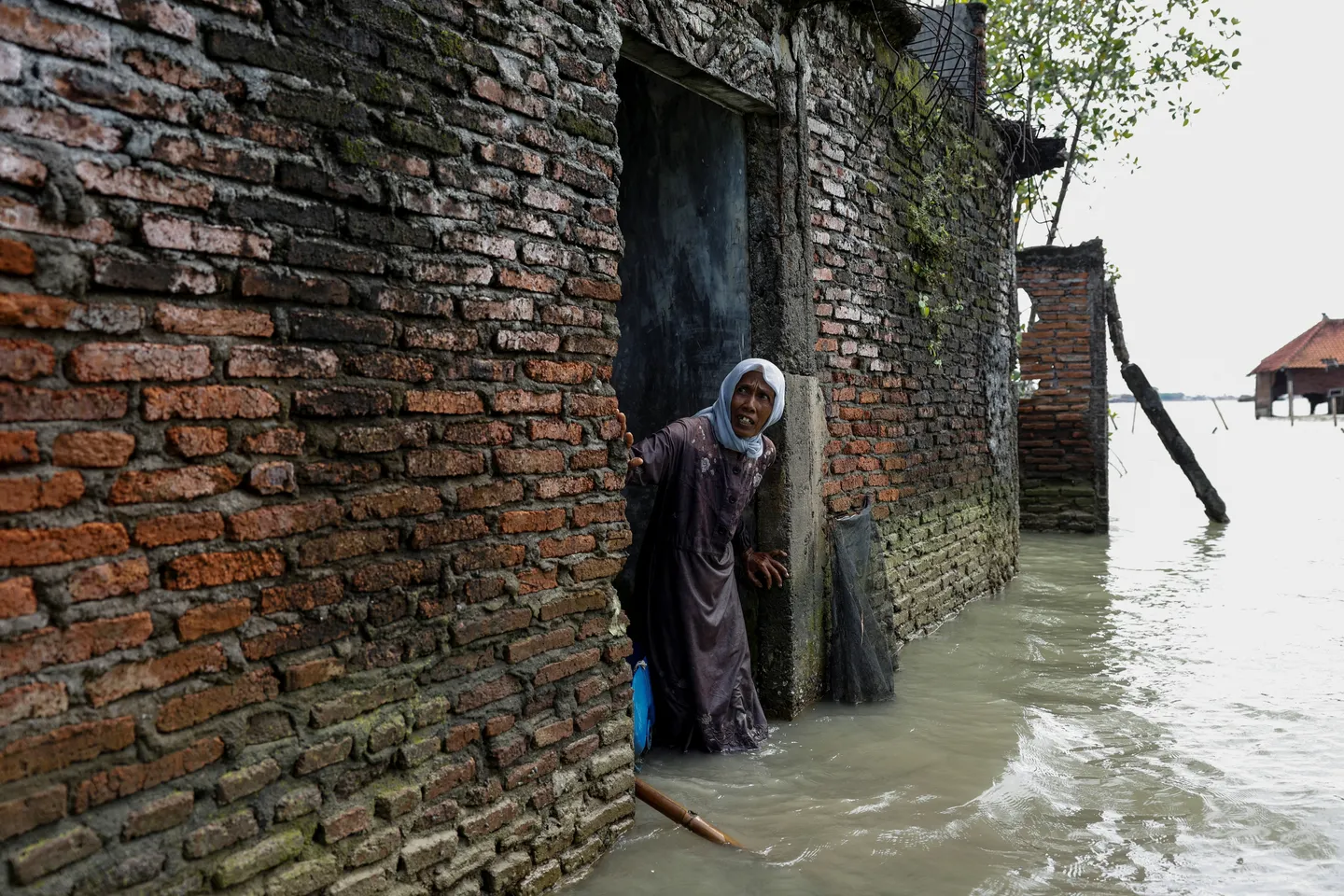
More than 1.5 billion women and girls — over one-third of the global total — live in areas where climate hazards intersect with economic insecurity and gender inequality, according to a new fact sheet from UN Women reported by TRT World. The agency's warning, issued on Tuesday, frames climate risk not as a single hazard but as a compound one, in which environmental shocks land hardest on those already disadvantaged by poverty and discriminatory norms.
The figures released by the agency suggest that national policy has not kept pace with that reality. According to the fact sheet, 73 percent of countries acknowledge gender-specific climate risks in their national climate plans, yet only slightly more than one-third address them comprehensively. The gap between recognition and response is the central problem the agency identifies: most governments now name the risk, but few have built the measures needed to reduce it.
The economic evidence cited is stark. Under the worst-case scenario, the climate crisis could push an additional 141 million women and girls into extreme poverty, UN Women said. Data drawn from 24 countries showed that a 1°C temperature increase was associated with women losing 34 percent more of their total income than men did. Across 14 countries, prolonged extreme drought was linked to 21 percent higher odds of sexual violence against adolescent girls and young women. These findings tie climatic stress directly to income loss and to physical insecurity, rather than treating them as separate concerns.
UN Women Executive Director Sima Bahous said that "across the world, women are already leading the fight for a better future", and called for equal rights, resources and decision-making power. The agency used the release to press governments ahead of COP31 to expand gender-responsive climate financing and to protect women's rights. The appeal places the question of finance at the centre of the debate: adaptation and resilience cost money, and the fact sheet implies that the countries and communities most exposed are not receiving it in proportion to their need.
What the fact sheet does not supply is equally important. It offers no country-by-country breakdown, no estimate of current spending on gender-responsive climate finance, and no assessment of how far existing national plans fall short in cash terms. The 141 million figure is explicitly a worst-case projection, and the income and violence findings are associations drawn from the countries studied, not causal claims covering all regions. Whether COP31 produces commitments that match the agency's appeal is not yet known.
The report nonetheless shifts the terms of the climate debate. If a one-degree rise in temperature widens the income gap between women and men, and if drought raises the odds of violence against adolescent girls, then adaptation policy and gender policy are the same policy. The measure of any financing deal agreed at COP31 will be whether it reaches the 1.5 billion people the agency has identified.