Saudi Arabia is trying to destroy the I.P.C.C. in order to prevent the next global stocktake from using the accurate scientific data on fossil fuels.
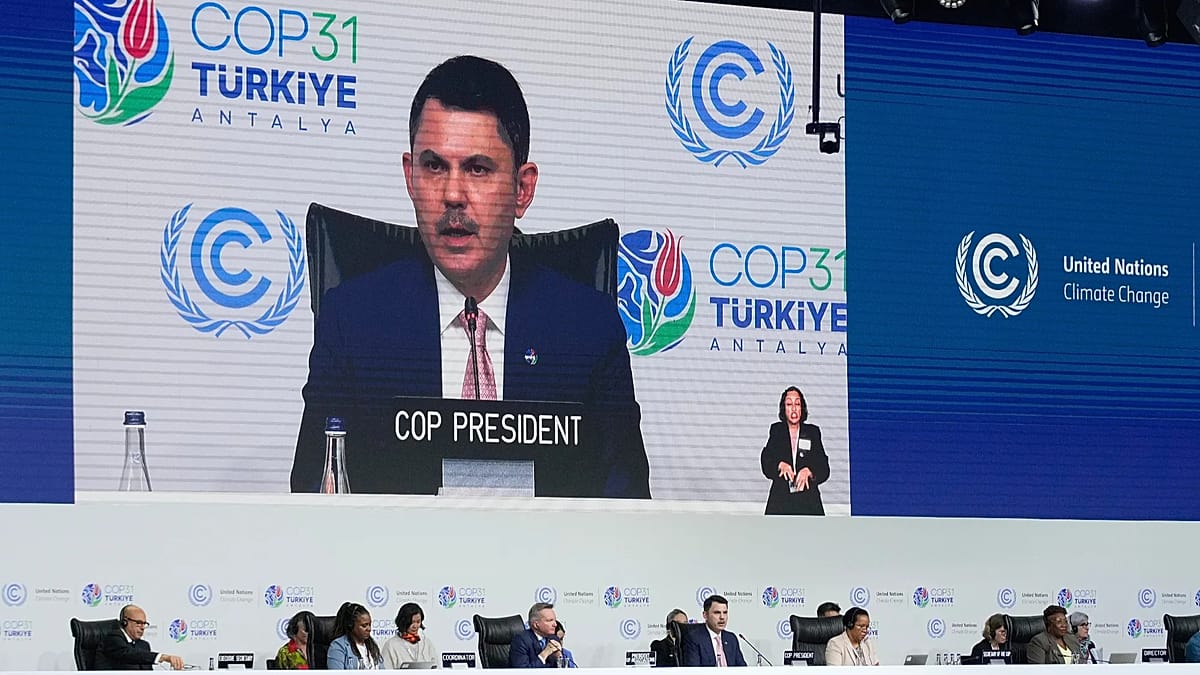
A dispute over the publication schedule of several climate reports has become a contentious issue at the United Nations climate conference, with some warning that fossil fuel interests may be influencing the world's leading climate science organization.
The Intergovernmental Panel on Climate Change produces landmark reports that are typically released every five to seven years, covering topics such as physical changes to the earth and greenhouse gas emissions. The timing of these reports is critical, as nations are set to assess their progress and increase their efforts to combat climate change in 2028, based on the latest scientific research.
Saudi Arabia, India, and Russia are among the countries pushing to delay the release of the reports, with at least two of them scheduled to be published after 2028. This move has led to accusations that coal, oil, and gas interests may be interfering with the scientific process. The fact that these nations are among the largest fossil fuel exporters or importers has raised concerns about the potential motivations behind their actions.
According to former Vice President Al Gore, who is attending the talks in Turkey, Saudi Arabia's efforts to delay the reports are an attempt to undermine the Intergovernmental Panel on Climate Change and prevent the use of accurate scientific data on fossil fuels in the next global stocktake. Gore stated that Saudi Arabia is trying to destroy the I.P.C.C. in order to prevent the next global stocktake from using the accurate scientific data on fossil fuels.
The implications of this dispute are significant, as the delayed release of the reports could impact the ability of nations to make informed decisions about their climate change mitigation efforts. The controversy highlights the ongoing challenges of balancing economic interests with the need to address the pressing issue of climate change.