Rather than relying on research alone, Silva sought perspectives from people with direct knowledge of the issue, including two Kwak’waka’wakw elders and Dan Lewis, executive director of the environmental non-profit Clayoquot Action.
Canadian student Melody Silva has found ways to bring environmental concerns beyond the classroom and into her wider community. From producing a documentary about fish farming and its effects on British Columbia’s wild salmon to speaking about climate injustice through live performances, she has used creative work to encourage people to pay attention to environmental issues.
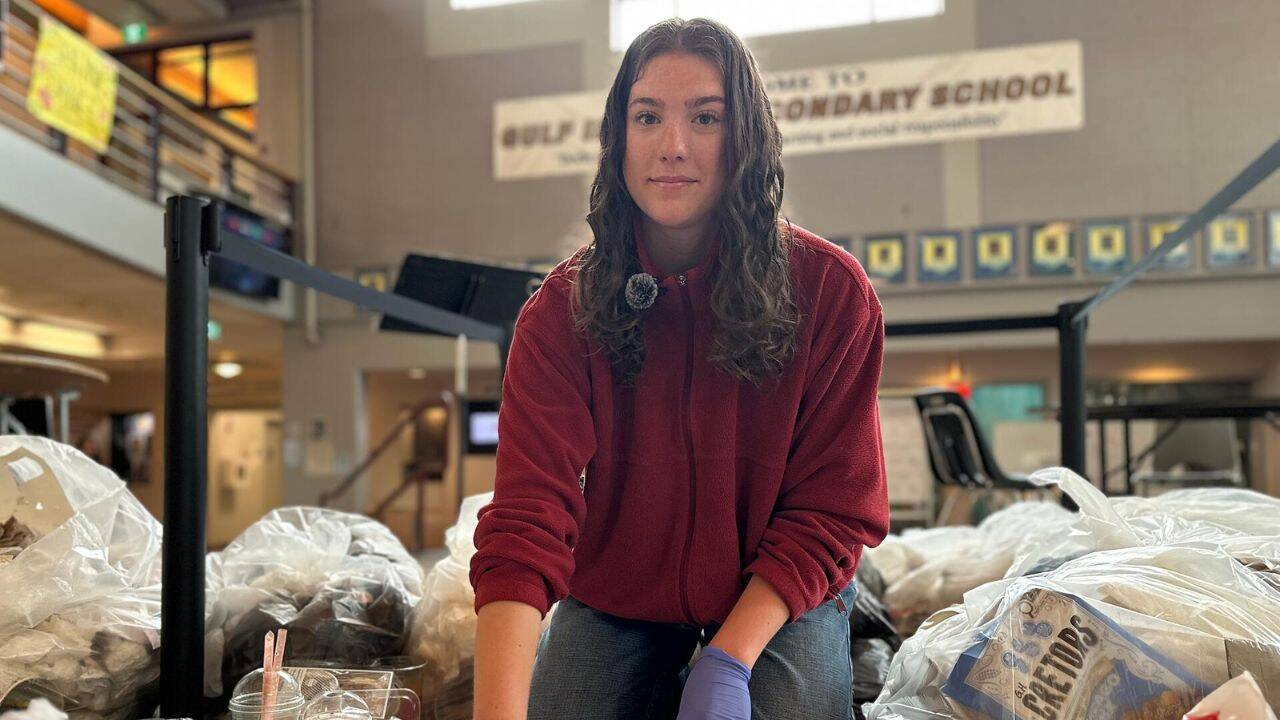
Her efforts also include working with Indigenous elders, supporting school recycling initiatives and helping other students find practical ways to take action against climate change. According to the National Youth Climate Activism Awards Association, Silva restarted her high school Earth Club 3 years ago, giving her an opportunity to turn environmental concerns into activities that other students could participate in.
One of her most significant projects came in the spring of 2024, when she directed and produced a documentary examining the harmful effects of fish farming on British Columbia’s wild salmon population. The film also explored the wider consequences for the coastal ecosystem, recognising that the health of salmon populations is connected to the natural environment around them. Rather than relying on research alone, Silva sought perspectives from people with direct knowledge of the issue, including two Kwak’waka’wakw elders and Dan Lewis, executive director of the environmental non-profit Clayoquot Action.
She has also used performing arts to reach people who might not otherwise engage with climate issues, competing in the national finals of the Canadian Improv Games and using the stage to speak about climate injustice. Her performance was staged at the National Arts Centre and livestreamed, allowing viewers across Canada to watch and giving Silva another opportunity to communicate her concerns and show how art could become a useful platform for discussing environmental problems.
Her involvement in climate action has also extended into everyday school life, with her work with the Earth Club including organising activities that encourage students to reconsider how they consume, reuse and dispose of everyday items. She has introduced several eco-events, including clothing swaps, gift swaps and repair cafés, offering students alternatives to throwing away items that remain useful.