That chain of custody, rather than any intrinsic quality of the object, is what the auction house was effectively selling.
A framed lock of George Washington's hair has sold for $4,000 (£3,058) at auction, according to the Times of India, citing a BBC report. Richmond auctions, which organised the sale, said the hair originally belonged to John Gadsby, who hosted Washington for dinner in 1799, shortly before the first president's death later that year.
The lock was later acquired by the collector John K Lattimer from one of Gadsby's descendants. The identity of the buyer has not been disclosed. The sale took place on Saturday, and the report notes that it was not the highest price ever paid for Washington's hair: in 2021, three strands believed to have been taken around the time of his death, preserved in a locket, fetched nearly $40,000.
The provenance rests on a family account. Gadsby lived in Alexandria, Virginia, and his granddaughter, Julia Ten Eyck McBlair, recalled in 1928 that her grandfather had received the hair because of his friendship with Washington. She said it was framed and displayed beneath a portrait of the president at the family home. That chain of custody, rather than any intrinsic quality of the object, is what the auction house was effectively selling.
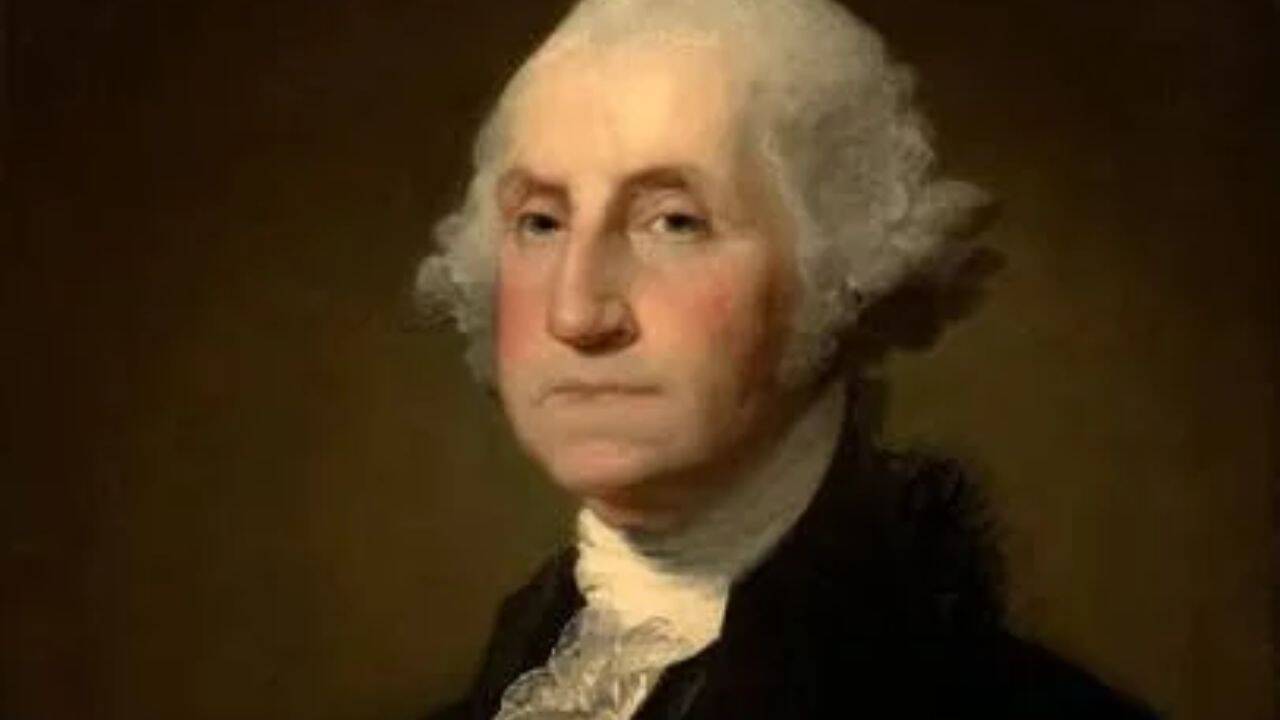
Washington led American forces to victory in the War of Independence, helped frame the constitution and became president in 1789, serving two terms before stepping down in 1797. Several locks of his hair have survived, with at least 50 preserved at his former residence, Mount Vernon, now a museum. The supply is therefore not scarce in absolute terms, which helps explain why a single framed lock commands thousands rather than tens of thousands.
The wider market for founding-era memorabilia is stronger than this result might suggest. In July, a signed 1776 letter requesting soldiers for the Continental Army sold for $109,800. Documents with clear operational significance tend to outperform personal relics, and the gap between the $4,000 lock and the 2021 locket sale of nearly $40,000 shows how much condition, presentation and story shape the price.
What is not known is who bought the lock, whether it will remain in private hands or reach a public collection, and what documentation accompanied the sale beyond the family account. The report gives no estimate, no competing bidders and no confirmation of the hair's authentication beyond the auction house's attribution. Those gaps matter in a market where provenance is the product.